

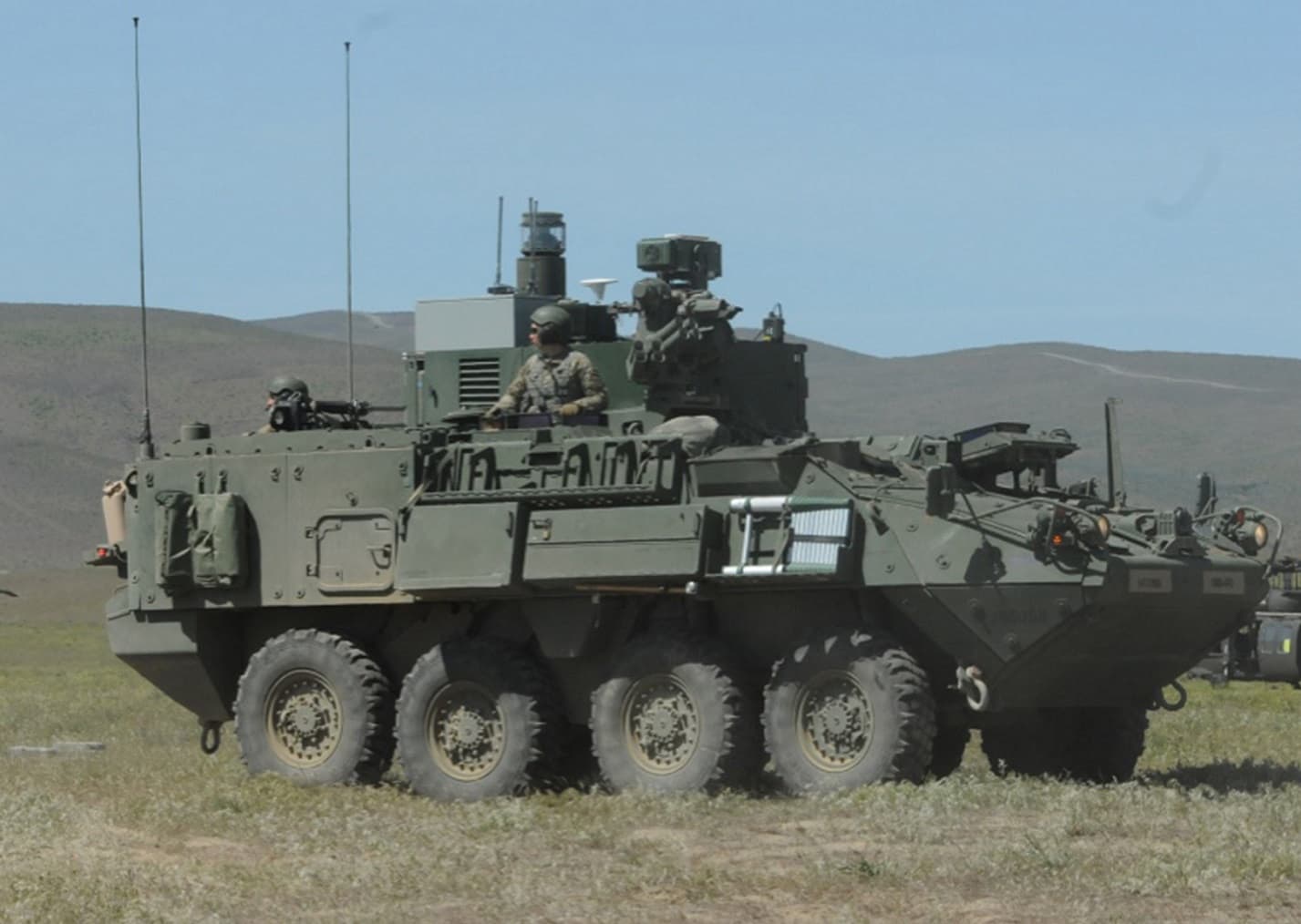
The U.S. military taking steps to increase modernization efforts amid growing threats from potential adversaries.
The U.S. military leaders discussed the approach to defending the Pacific region last week at the 2019 Defense News Conference and state that modernization and integration are keys to defending against emerging threats.
Speaking to reporters Wednesday, U.S. military officials said the near-peer competitors have demonstrated increased anti-access and area denial capabilities through long-range precision fires and other technologies.
“[The U.S] has not had a comprehensive adversary in over three decades. We are restoring some behaviors that used to be second nature to us,” said Vice Adm. Stuart B. Munsch, deputy chief of naval operations for operations, plans, and strategy.
In the end, the well-equipped ground Soldier will be amongst the first to penetrate an adversary’s stand-off capabilities, said Brig. Gen. Richard Coffman, the Next Generation Combat Vehicle Cross-Functional Team director.
For the past year, Army Futures Command has taken on the monumental task of defining the future operating environment and understanding the necessary force structure to be successful in 2028 and beyond. Through the eight cross-functional teams, the Army will maintain its commitment to improving the future force, said Gen. John M. Murray, AFC commanding general.
The working relationship between the Army, industry, and academia enables in the development of future technology, getting it into the hands of Soldiers at a faster rate, Murray said.
Through AFC, the NGCV team has already decreased its requirement time for the Optionally-Manned Fighting Vehicle by more than two years, Coffman said. They are also making strides toward the development of robotic vehicles.
Under the Future Vertical Lift CFT, the Army’s new Future Long-Range Assault Aircraft and Future Attack and Reconnaissance Aircraft are currently awaiting an industry response, said Brig. Gen. Walter T. Rugen, the team’s director.
Two vendors will be selected in March for competitive FARA prototypes. Two vendors will also be selected in March to complete the Competitive Demonstration and Risk Reduction phase for FLRAA.
“I’ve been amazed by the team and how well they have done,” Rugen said. For the past year, the team has worked hard to align the science and technology requirements for both aircraft, he said.