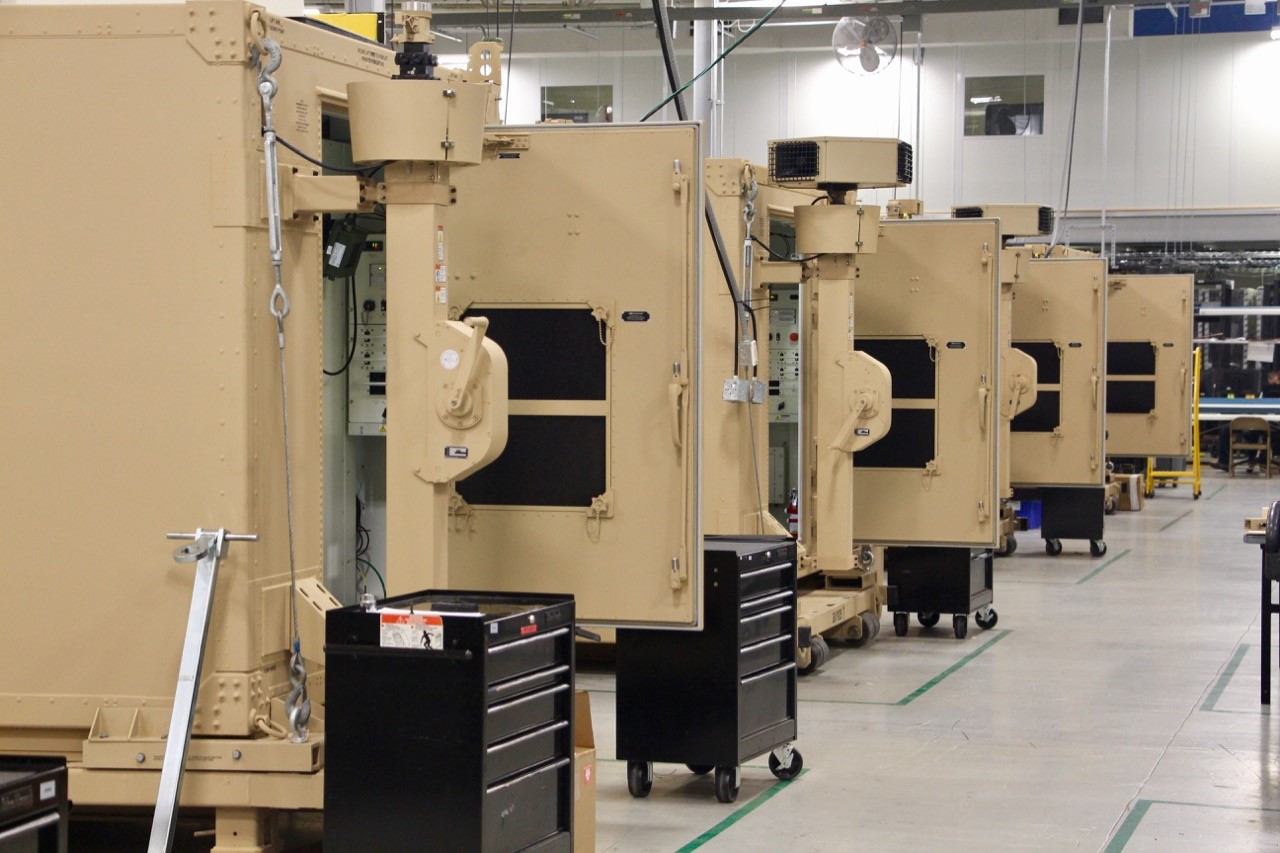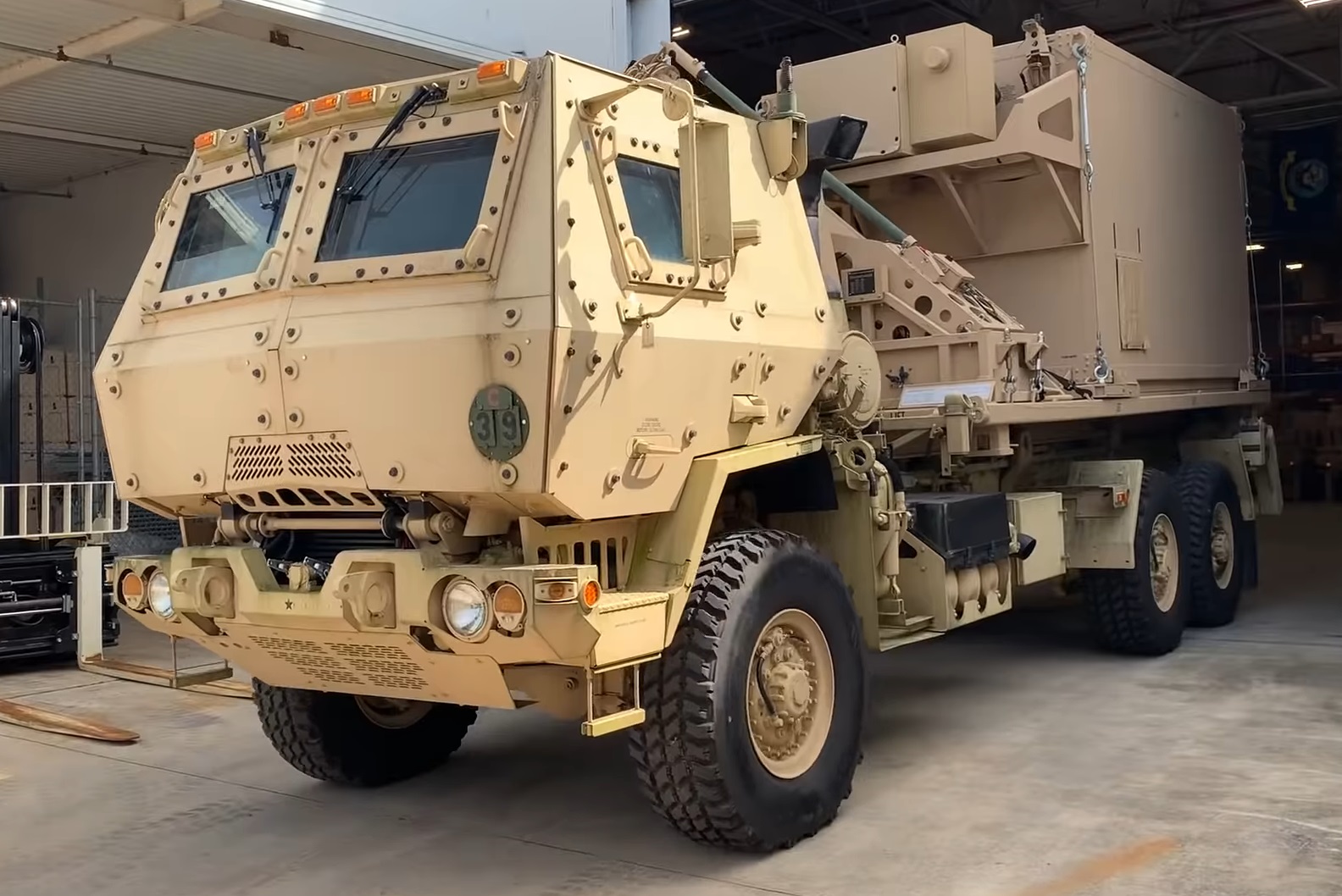
Northrop Grumman Corporation announced its advanced warfighter-centric mission command system, developed in partnership with the U.S. Army, has received authorization to proceed with low rate initial production (LRIP) following a successful Milestone C decision for the program.
NG released a statement saying that this milestone, approved by the U.S. Department of Defense, represents a critical next step in moving the program closer to future deployment of the Integrated Air and Missile Defense Battle Command System (IBCS).
“The decision by our senior leaders to transition IBCS from development into initial production reflects their confidence in the maturity of the system and its readiness for operational testing to inform Initial Operational Capability,” said Maj. Gen. Rob Rasch, Army Program Executive Officer, Missiles and Space. “The soldiers of the 3-43 Air Defense Artillery Battalion performed tremendously in training and testing over the last year, and are poised to demonstrate the game-changing capabilities of IBCS next Fall during the Initial Operational Test & Evaluation.”
To achieve Milestone C, Northrop Grumman worked in partnership with the U.S. Army’s Integrated Fires Mission Command Program Office in the system engineering, design, development and testing of IBCS hardware and software. Since 2015, the program has executed seven successful flight tests conducted under complex and operationally realistic conditions, demonstrating new game changing capabilities that the system will deliver upon fielding.
Most recently, IBCS underwent a Limited User Test that included testing of an operational Air and Missile Defense Battalion Task Force and featured two operational flight tests, which culminated in successful intercepts of complex, threat representative cruise and ballistic missile targets. Over its development life cycle, IBCS has undergone extensive hardware-in-the-loop (HWIL), environmental, live fire, and developmental testing and has participated in numerous Joint and U.S. Army exercises. These tests and exercises along with soldier touch-points have provided excellent feedback and data to drive significant performance improvements throughout the development phase of the IBCS program to inform the Milestone C decision.
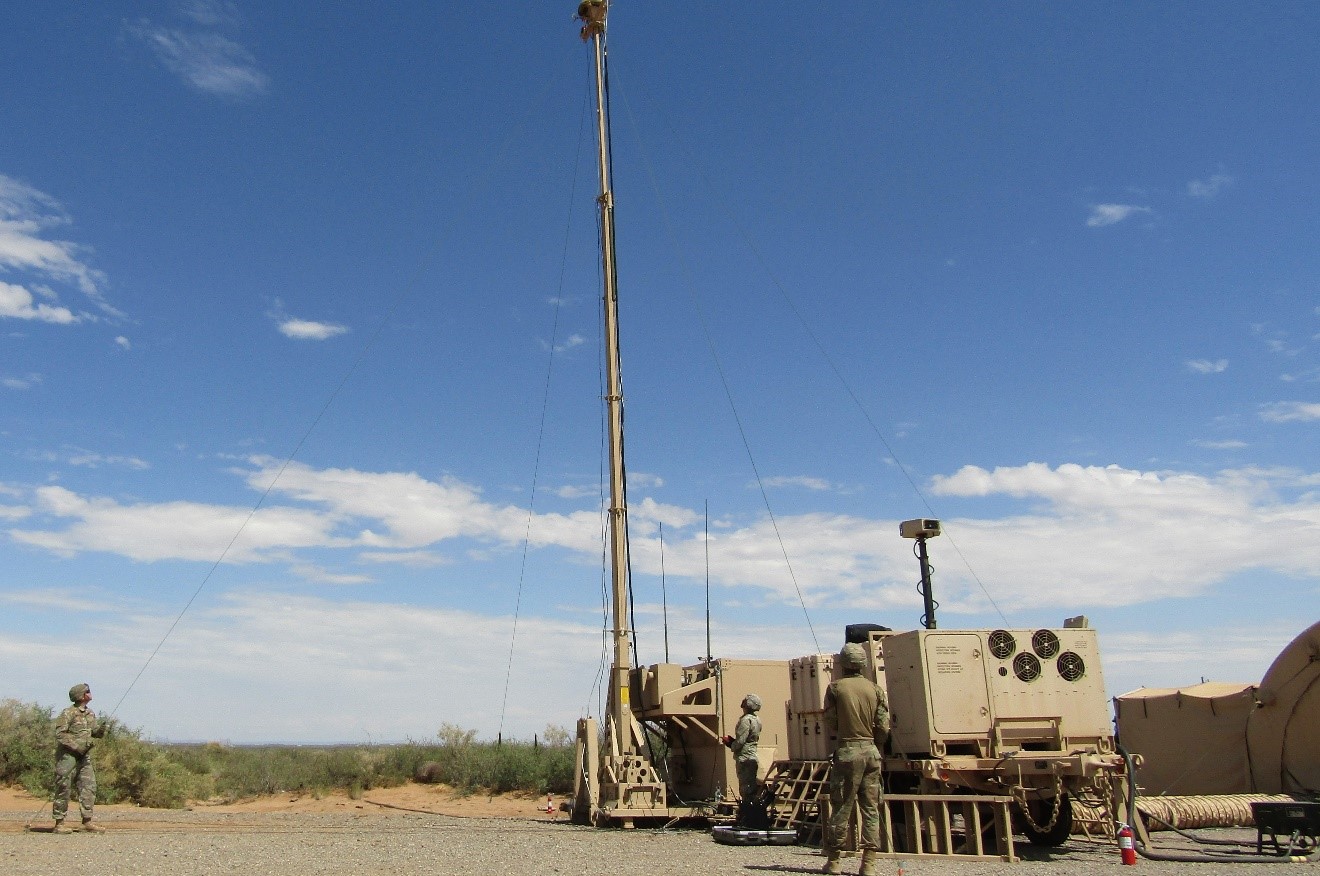
IBCS is the centerpiece of the U.S. Army’s modernization strategy for air and missile defense to address the ever-changing nature of warfare. Designed to connect the force for unified action across all domains against evolving threats, IBCS is a software-defined, network-enabled command and control system that integrates and optimizes “any-sensor, best-effector” toward enabling Joint Multi-domain Operations and command and control.
Built on a modular and open systems approach network, IBCS employs a net-centric integrated fire control network that enables the acquisition, identification and engagement of air and missile threats. IBCS enhances battlefield survivability by creating a resilient self-healing network that can reduce and eliminate vectors of attack while providing commanders and operators with a single integrated air picture of unprecedented breadth, range and accuracy.