

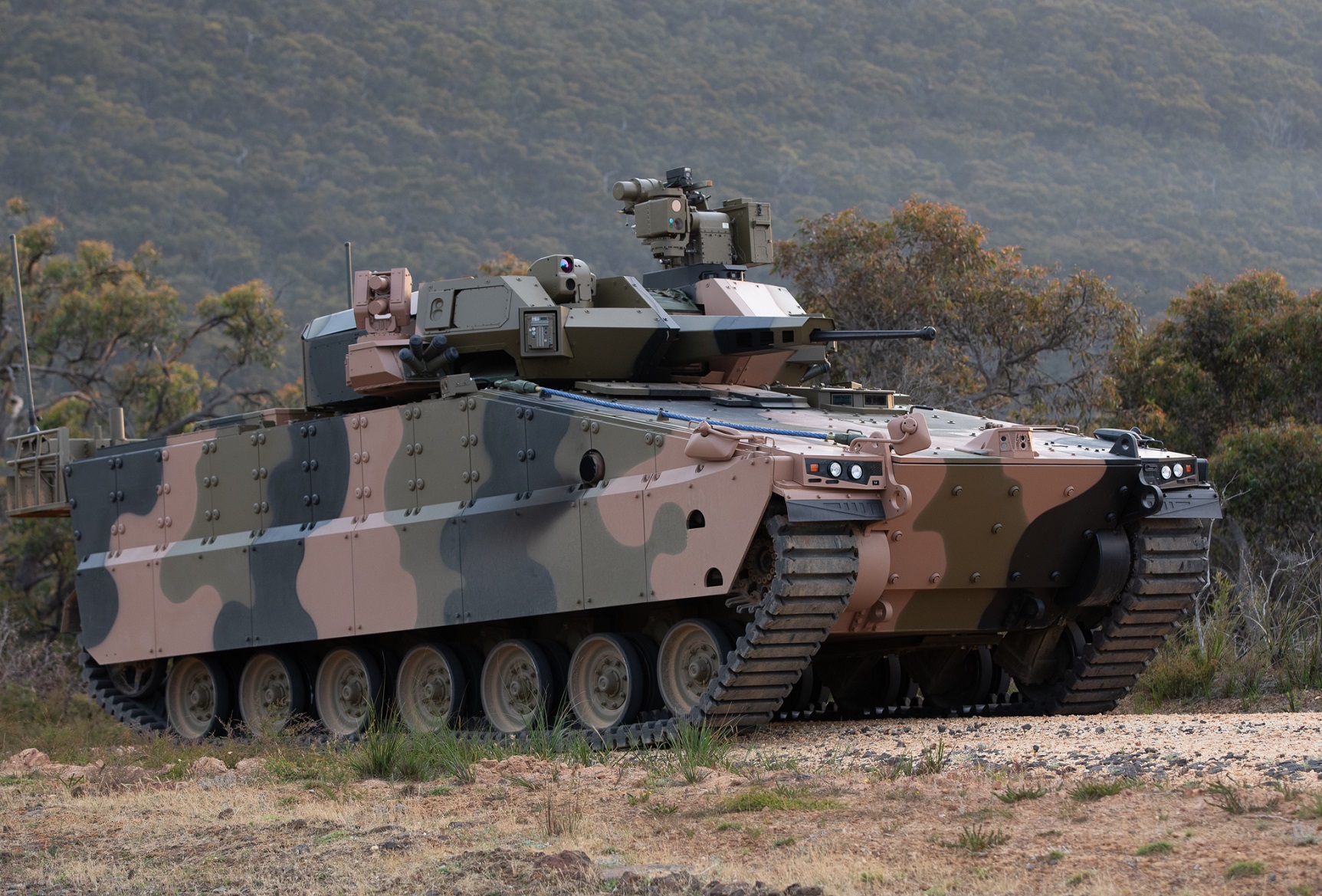
The Australian Army will receive 129 new Redback infantry fighting vehicles in response to the country’s changing strategic environment.
The Australian Government said Hanwha’s state-of-the-art Redbacks would be built at the company’s facilities in the Geelong region, supporting Australia’s strategic imperative to develop sovereign defense manufacturing capabilities.
At a cost of between $5 billion and $7 billion, the LAND 400 Phase 3 project will be one of the largest capability acquisitions in the Army’s history.
Replacing the M113 armored personnel carriers, which were acquired in 1964, the first Redback will be delivered in early 2027.
With its latest-generation armor, cannon and missiles, they will provide the protection, mobility and firepower required to transport and protect soldiers in close combat, giving them the highest chance of achieving their mission and returning safely.
The government said the acquisition was part of its drive to modernize the Army to ensure it could respond to the land challenges in the region.
The new vehicles will be delivered about the same time as the new HIMARS missile systems and landing craft, reflecting the Defence Strategic Review’s call for Army to be transformed for littoral maneuver operations from Australia.
The government said it was providing the ADF with the capabilities it needed to defend Australia and protect national security.
Minister for Defence Industry Pat Conroy said the government was committed to investing in the security of the nation and the safety of Australian soldiers.
“We are also committed to supporting the Australian defense industry so we can make more of the critical defense equipment we need in this country rather than relying on overseas suppliers,” Mr Conroy said.
“Our decision to build the Redback infantry fighting vehicles in Australia will support up to 600 direct jobs and more than a thousand jobs in the Australian industry supply chain.”