


- U.S. Army troops in Hawaii tested the Scorpion Light 81mm mobile mortar system during the TiC 2.0 field exercises.
- The system, mounted on ISV-U platforms, demonstrated rapid fire and displacement capabilities along with automated fire control.
The U.S. Army’s 2nd Battalion, 35th Infantry Regiment recently completed a series of tactical evaluations using the Scorpion Light 81mm mobile mortar system during Transformation in Contact (TiC) 2.0 exercises held at Schofield Barracks on the island of Oahu.
According to Global Military Products, which manufactures the Scorpion Light system, the trials were designed to test the mobility, lethality, and operational safety of next-generation indirect fire platforms under realistic combat scenarios. The exercise ran from October 20 to 25.
As noted by the company, the Scorpion Light system—mounted on the Infantry Squad Vehicle – Utility (ISV-U) platform—enabled soldiers to “emplace, fire rounds and displace faster than ever before,” without requiring changes to force structure or tactical doctrine. Each ISV-U platform tested carried one mortar system and 72 rounds.
“Our participation in TiC 2.0 underscored the immense value the Scorpion Light brings to the modern fighting force,” said James Knight, senior manager of Defense Systems and Energetics at Global Military Products. “The soldiers’ feedback was invaluable and further validated the system’s ability to provide rapid, highly mobile, precise and survivable indirect fire.”

The Scorpion Light integrates an automated digital fire control system, allowing for rapid targeting and re-aiming with minimal input from crew. The company says the system is compatible with third-party fire control tools, enabling flexible deployment with a variety of command platforms.
The exercise emphasized “shoot and scoot” tactics. Crews were able to fire and displace the system in under two minutes—a capability that improves survivability by reducing exposure to counter-battery fire.
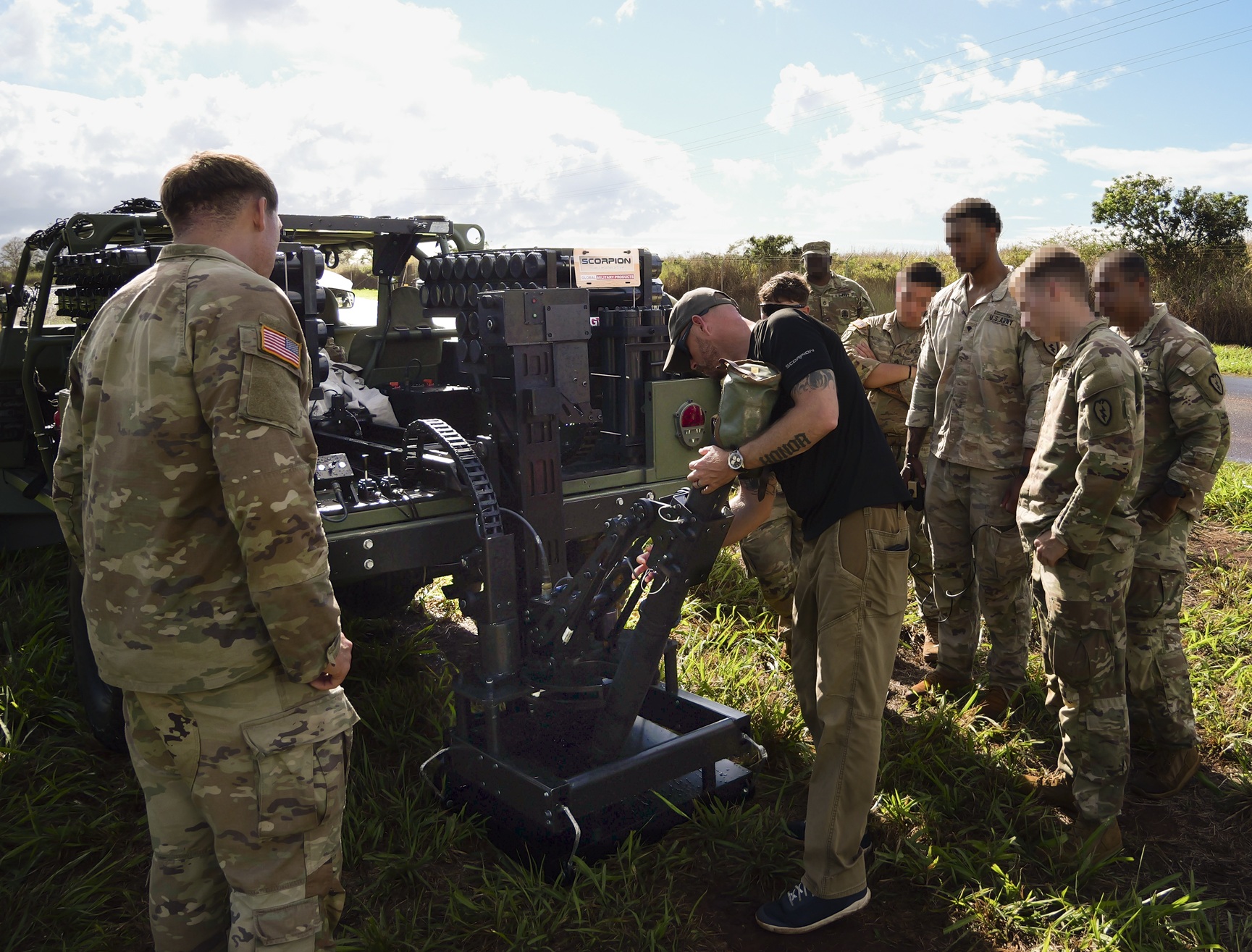
The Scorpion platform also demonstrated its transportability. The combined ISV-U and Scorpion system can be airlifted internally by a CH-47 Chinook, supporting rapid deployment in remote or undeveloped terrain. This characteristic is a key advantage for expeditionary infantry units operating in dispersed environments.
The two Scorpion systems tested in Hawaii will remain on site for upcoming Joint Pacific Multinational Readiness Center (JPMRC) exercises in early November. The systems are scheduled to be transported by C-17 aircraft and integrated into multi-day combat scenario training events.
In a statement, the company said direct operational feedback from TiC 2.0 will inform ongoing system refinements and contribute to the Army’s broader acquisition strategy for lightweight indirect fire capabilities.
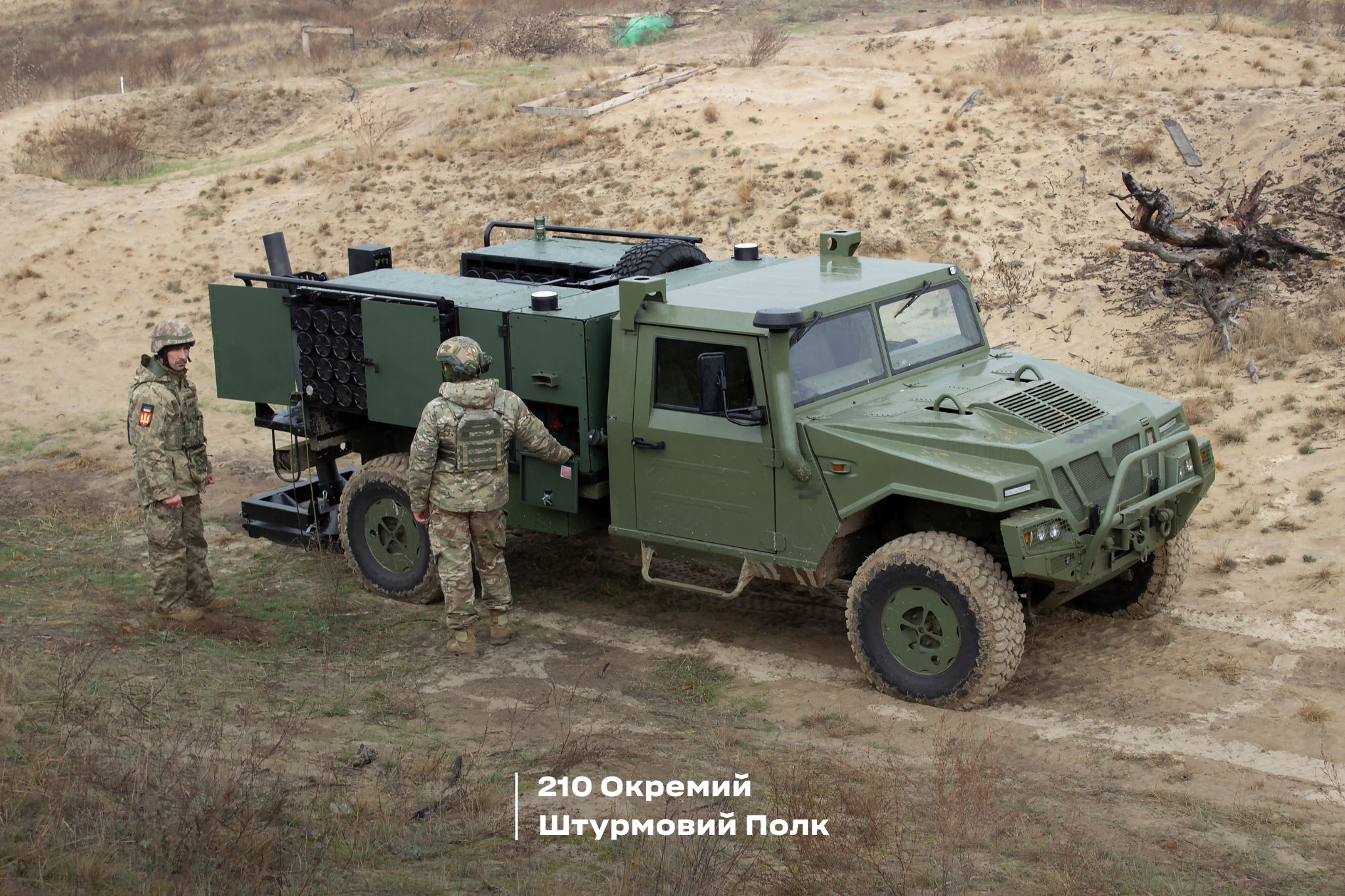
The company added that Scorpion systems are already in use with allied forces, including deployment in Ukraine. A U.S. Marine Corps live-fire evaluation at Marine Corps Base Quantico also took place earlier this year.