


U.S. Soldiers from the 127th Military Police Company are deploying the Black Hornet 4 micro-drone system to enhance surveillance and threat detection along the U.S. southern border, providing real-time intelligence to support security operations.
According to the U.S. Army, Soldiers are leveraging miniature unmanned aerial vehicles to improve monitoring of remote areas, helping to identify suspicious activity and potential threats with greater precision.
The system is part of a broader mission under Joint Task Force–South Border (JTF-SB), which conducts agile, full-spectrum operations in coordination with U.S. Customs and Border Protection. The task force’s stated goal is to protect the territorial integrity of the United States and achieve full operational control of the southern border.
The Black Hornet is a military micro–unmanned aerial vehicle originally developed by Prox Dynamics AS of Norway and now produced by Teledyne FLIR. The palm-sized drone connects to its operator through a secure digital data link and GPS, transmitting live video and imagery to a handheld control terminal. This allows troops on the ground to conduct discreet reconnaissance without exposing themselves to direct risk.
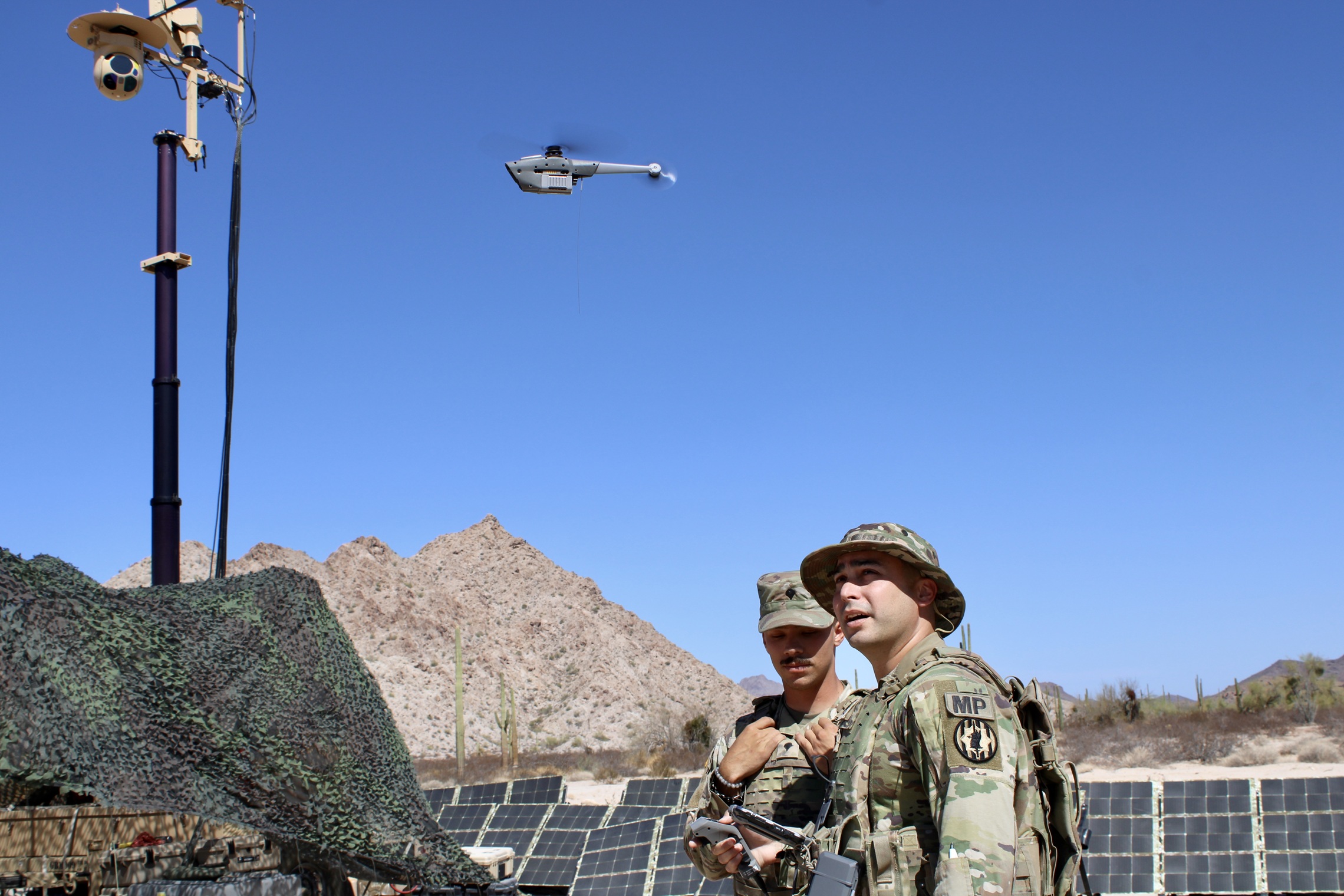
The Black Hornet is the most compact combat-proven reconnaissance drone currently in service. Its small size and quiet operation make it particularly effective in complex environments, where visual intelligence is essential but stealth is critical. The system has been widely used in urban operations, reconnaissance missions, and now—along the U.S. border—where it aids in monitoring hard-to-reach areas and detecting illicit crossings or smuggling attempts.
The integration of the Black Hornet into border operations reflects a growing reliance on advanced unmanned systems to enhance situational awareness in dynamic and sensitive environments. The drone’s endurance and portability allow individual soldiers or small units to deploy it in seconds, providing a persistent “over-the-hill” view that extends the reach of ground patrols.
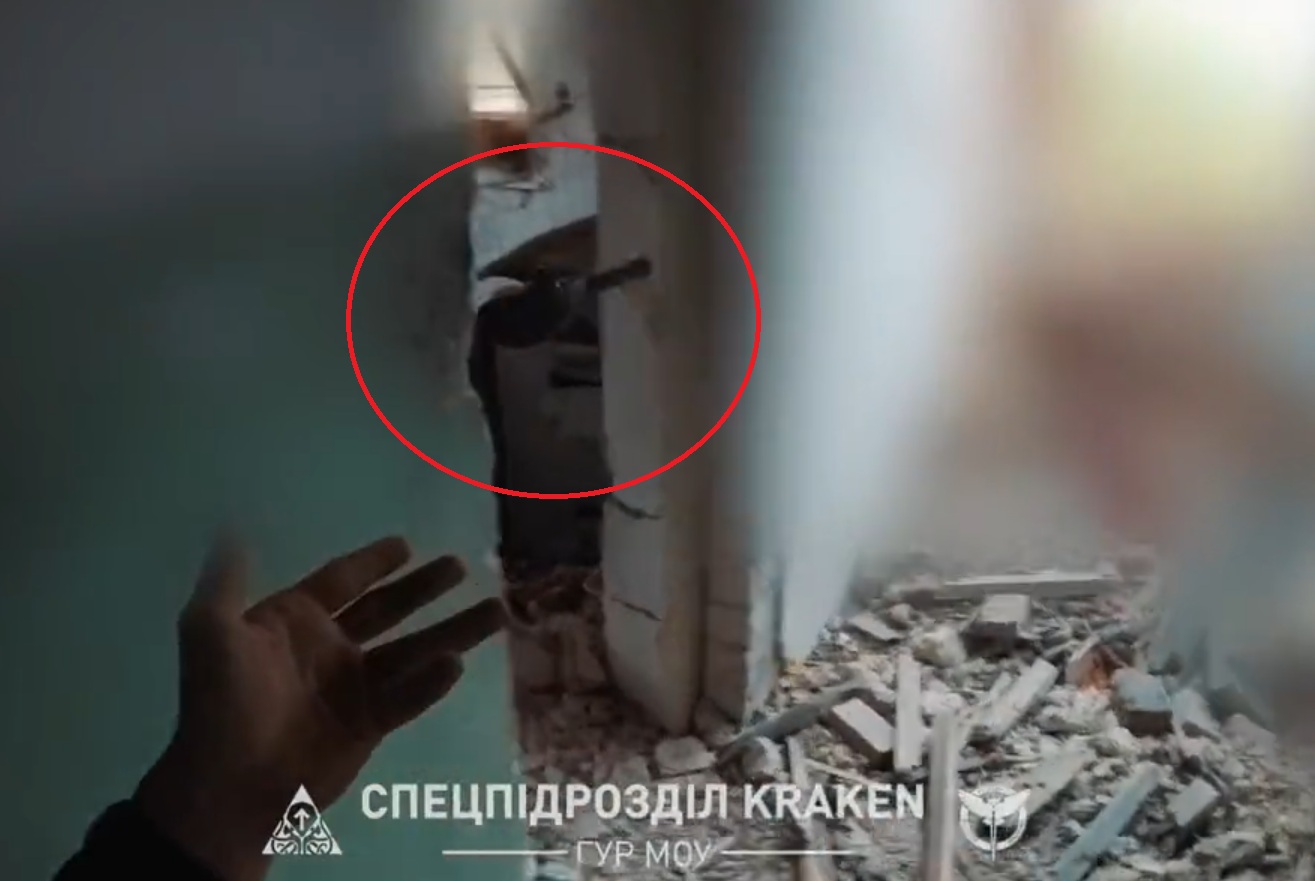
The Black Hornet has also seen widespread operational use in conflict zones. The same type of drone has been deployed in Ukraine, where it supports reconnaissance missions against Russian forces. Norway and the United Kingdom have joined forces to supply Ukraine with additional Black Hornet systems, citing their proven effectiveness in real-world combat conditions.