

- The Missile Defense Agency awarded L3Harris Technologies, operating as Aeromet, a contract worth up to $499.6 million on July 6, 2026.
- The ten-year agreement, running through September 2036, supports aircraft and sensors used during U.S. missile defense flight tests.
Every time the United States tests a missile interceptor meant to shoot down an incoming warhead, someone has to actually watch it happen closely enough to know whether it worked, and that job increasingly falls to a small fleet of specialized aircraft that most Americans have never heard of.
The Pentagon’s Missile Defense Agency just locked in the company that keeps those planes flying for the next decade, awarding L3Harris Technologies a contract worth up to $500 million to sustain the aircraft and sensors that watch America’s missile defense tests unfold in real time.
The contract goes to L3Harris Technologies Integrated Systems L.P., operating under the name Aeromet, based in Tulsa, Oklahoma. L3Harris itself is one of the largest defense contractors in the country, formed in 2019 when L3 Technologies merged with Harris Corporation, and its Aeromet division specializes in exactly this kind of work: building and operating aircraft loaded with sensors that can track fast-moving objects like missiles and record precise data on how they perform. Under the new agreement, Aeromet will keep operating and maintaining the aircraft and sensor equipment used in the Missile Defense Agency’s Flight Test Airborne Sensors program, plan and execute missions, and carry out upgrades to keep the equipment current, work the Missile Defense Agency has publicly confirmed runs from September 15, 2026, through September 14, 2036.
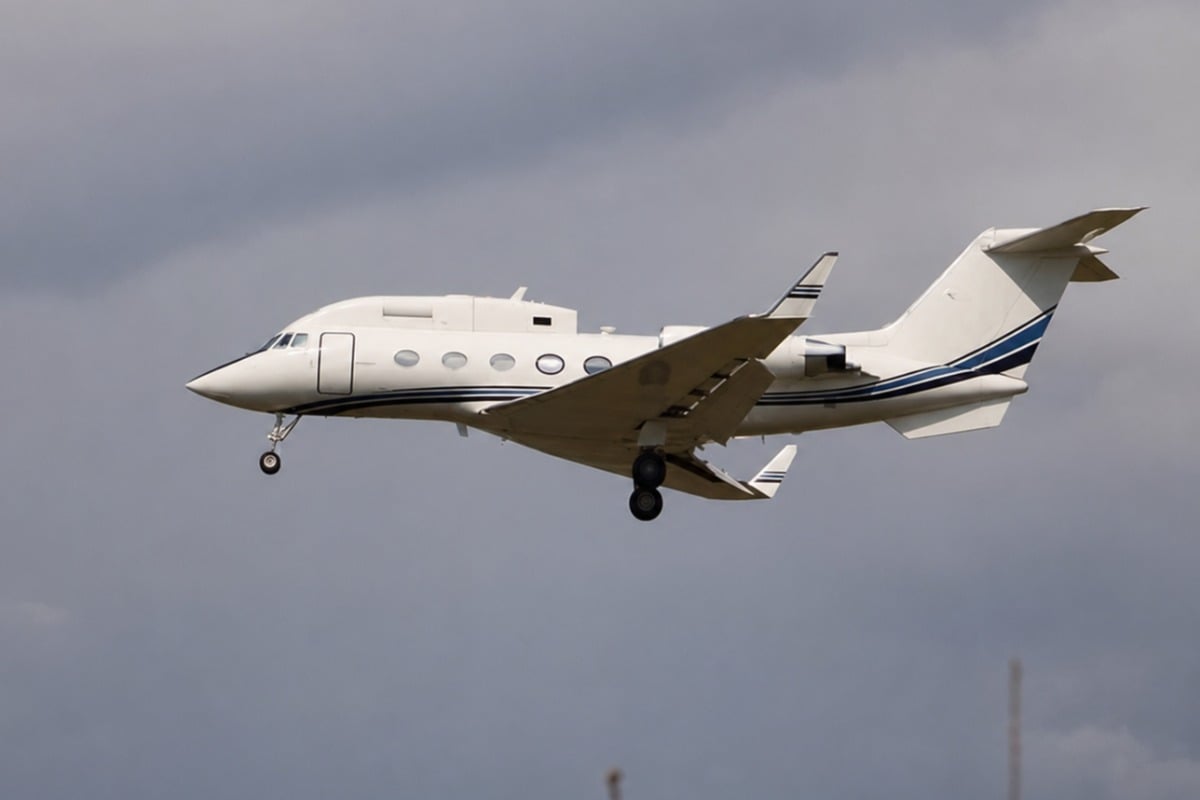
When the Missile Defense Agency test-fires an interceptor missile designed to knock out an incoming ballistic missile or warhead, engineers need more than a radar blip confirming something happened. They need detailed optical and infrared imagery capturing the intercept itself, tracking data on missile flight paths, and sensor readings precise enough to tell whether a kill vehicle actually struck its target or missed by inches. Aeromet’s aircraft, known within the program as HALO, short for High Altitude Observatory, fly at altitude during these tests carrying electro-optic and infrared sensors built specifically to capture that kind of high-fidelity data, functioning essentially as flying camera platforms that give engineers the visual and technical evidence they need to judge whether a multi-million-dollar missile defense system actually works the way it was designed to.
Every intercept attempt feeds directly into decisions about whether to keep funding a missile defense program, how to fix flaws engineers discover, and whether systems already fielded to protect American cities and troops overseas can be trusted to work if a real attack ever came. Without reliable airborne sensors capturing what happens during a test, the Missile Defense Agency would essentially be flying blind on whether its own defenses function, making the unglamorous work of keeping a handful of specialized aircraft flightworthy just as critical to national security as the interceptor missiles themselves.
L3Harris’s Aeromet division, then operating under the L3 Technologies name, won a similar contract for the same Airborne Sensors program back in 2021, an agreement worth roughly $173 million that ran through September 2026 and covered essentially the same scope of work: keeping the HALO aircraft flying, maintaining their sensor packages, and executing test missions as the Missile Defense Agency needed them. The new $499.6 million award effectively picks up where that contract leaves off, expanding both the dollar ceiling and the timeline considerably, a signal that the agency expects a steady, sustained need for this kind of test support well into the next decade rather than a program winding down.