The U.S. Army is working to transform armored vehicles into robotic combat vehicles for future battlefields.
In a recent report, the Combat Capabilities Development Command noted that military researchers are working to integrate the next generation of technology-enabled capabilities to demonstrate new robotic capabilities to meet emerging military needs.
The Next Generation Combat Vehicle – Cross Functional Team and CCDC Ground Vehicle Systems Center, in collaboration, are conducting soldier operational experiments to assess the feasibility of integrating unmanned vehicles into ground combat formations at Ft. Carson, Col., from June 15 – Aug. 14, 2020.
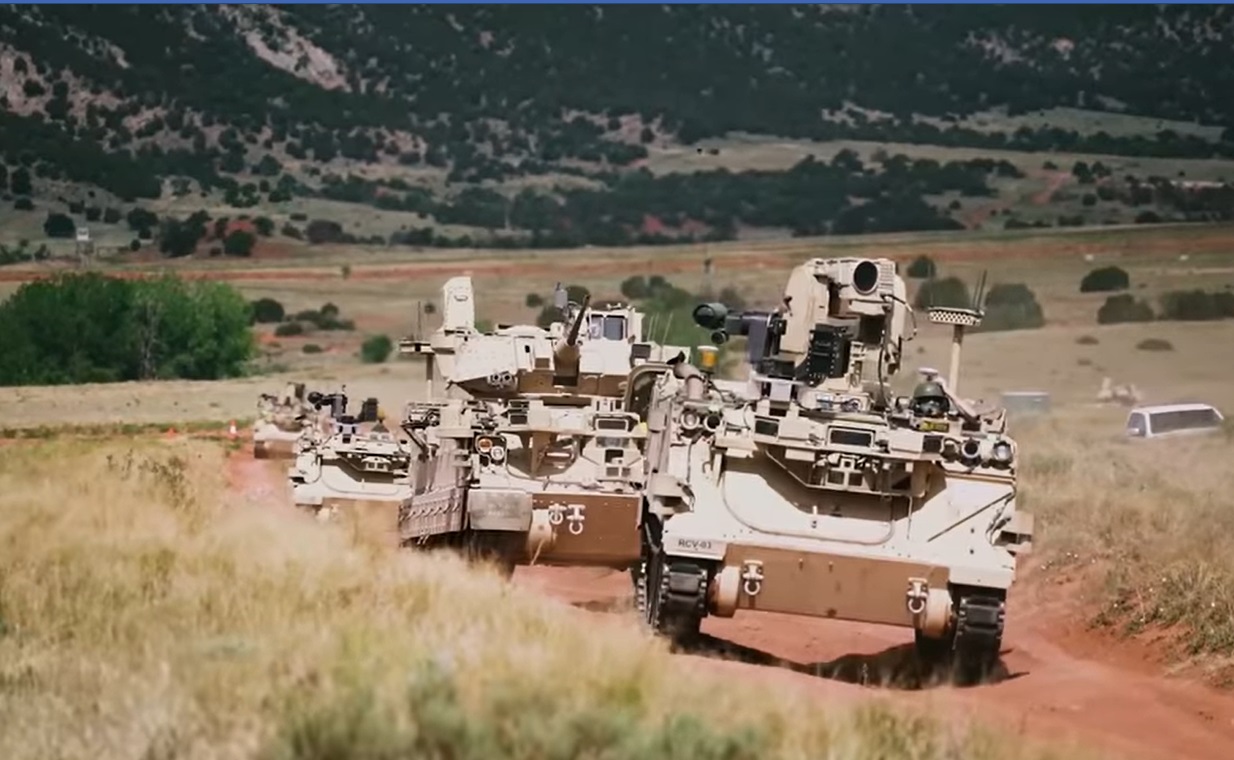
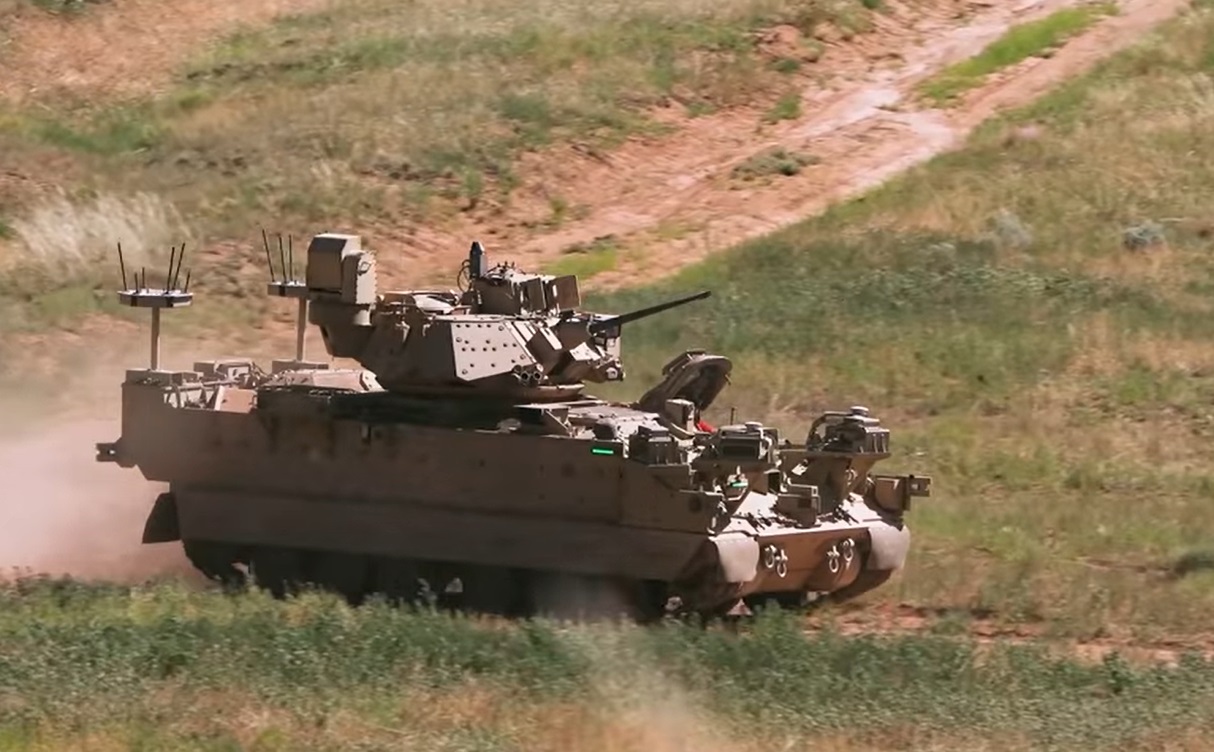
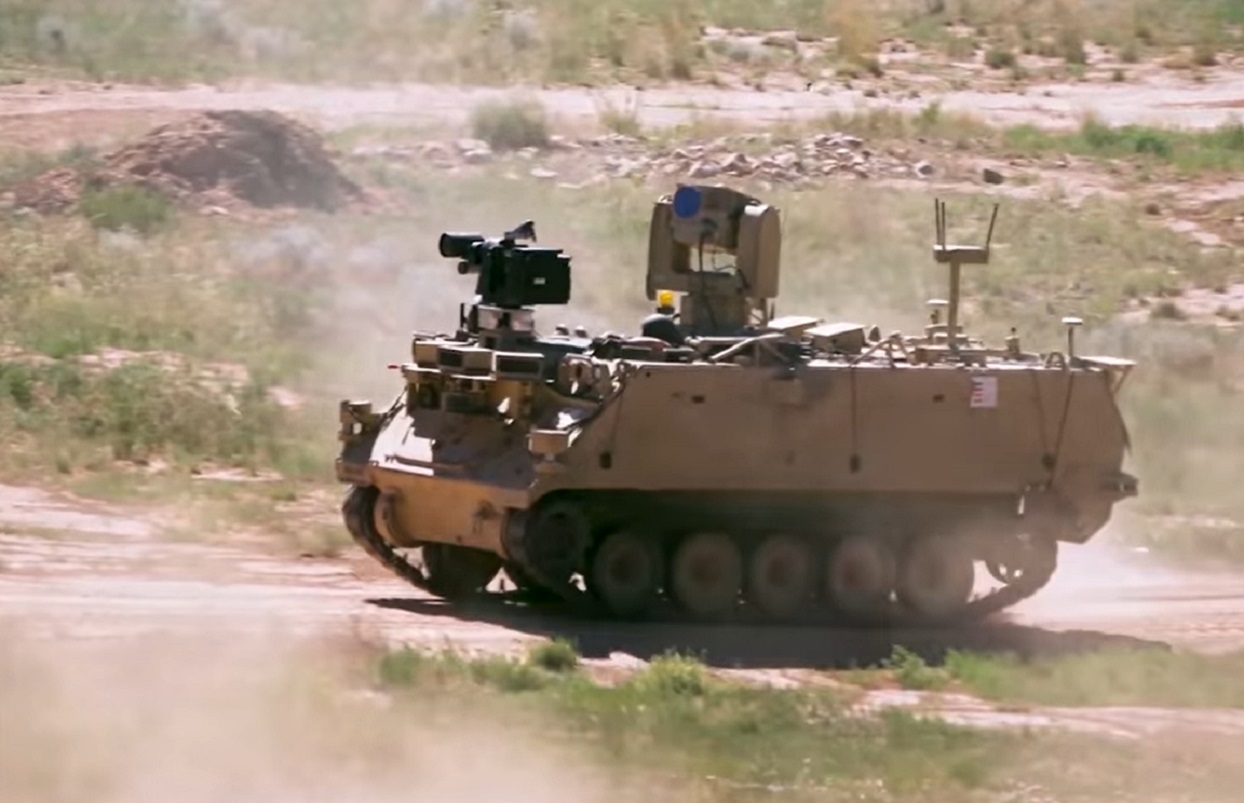
“Preparations continue at U.S. Army Fort Carson for the Soldier Operational Experimentation (SOE) Phase 1 to further develop learning objectives for the Manned Unmanned Teaming (MUM-T) concept,” it said in a statement. “Modified Bradley Fighting Vehicles known as Mission Enabling Technologies Demonstrators (MET-D) and modified M113 tracked armored personnel carriers, known as Robotic Combat Vehicles (RCV) are being utilized.”
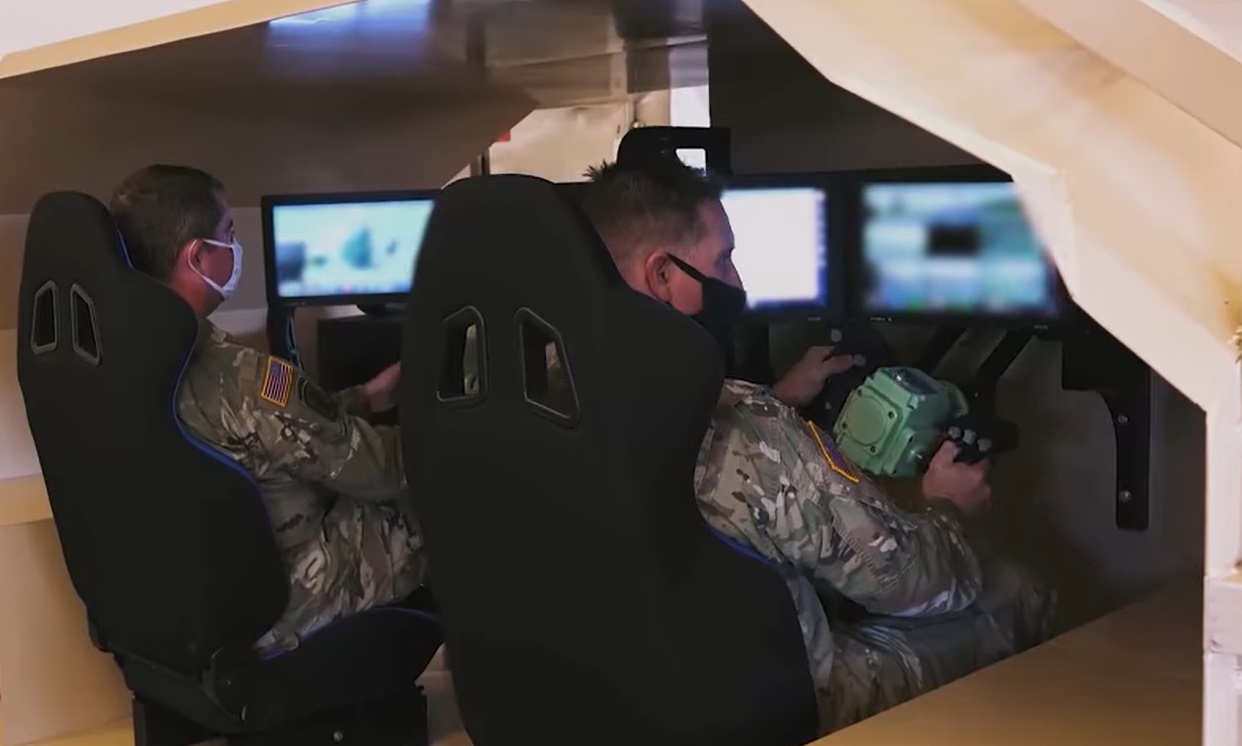
This is the first in a series of Soldier experiments the Army is conducting to assess if robotic combat vehicles will increase the lethality of ground combat units. For this initial experiment, the Army is equipping a platoon-sized element of 4th Infantry Division Soldiers with MET-D.
MUM-T SOE Phase 1: Set-up, prep, and getting ready for Soldiers! @NGCVCFT pic.twitter.com/3EISX0u3HV
— U.S. Army CCDC Ground Vehicle Systems Center (@CCDC_GVSC) July 15, 2020
This technology puts ground robots between a threat and the human element.
The MET-D leverages the latest technology in sensors, data display, graphical user interface, drive-by-wire capability, unmanned aerial vehicle-provided video, and advanced communications to support Soldiers. Robotic Combat Vehicles, operated from the manned combat vehicle, are unmanned platforms which can make contact with the enemy before the Soldiers do, while achieving overmatch–decisive mobility, survivability, and lethality–against future operating environment threats.
Operating within this MET-D concept, the demonstration is structured around three main events: Operator Training, Gunnery, and Situational Training Exercises (STX).
While robotic technology is a novel approach to solving ground vehicle problems for the Army and Soldiers, this latest demonstration marks the early stages of a multi-year process where the Army will determine the best way to integrate new technologies and autonomous vehicles into the way it fights.