


The United States is deploying its latest ship-killing missile system as part of a major military exercise with the Philippines near the South China Sea and Taiwan.
According to Reuters and local media including the Philippine Inquirer, the Armed Forces of the Philippines confirmed that the U.S. will field the Naval Strike Missile (NSM)-based NMESIS system during the 2025 iteration of “Balikatan,” the largest annual bilateral exercise between the two countries.
The drills are scheduled to run from April 21 through May 9 and will be held across strategic locations, including Palawan Island and northern Luzon, close to Taiwan.
The NMESIS system, developed around Norway’s Kongsberg NSM and integrated with an unmanned Joint Light Tactical Vehicle (JLTV) platform, is designed to deliver precision strikes against maritime targets at distances exceeding 200 kilometers.
Each missile reportedly costs approximately $2.2 million.
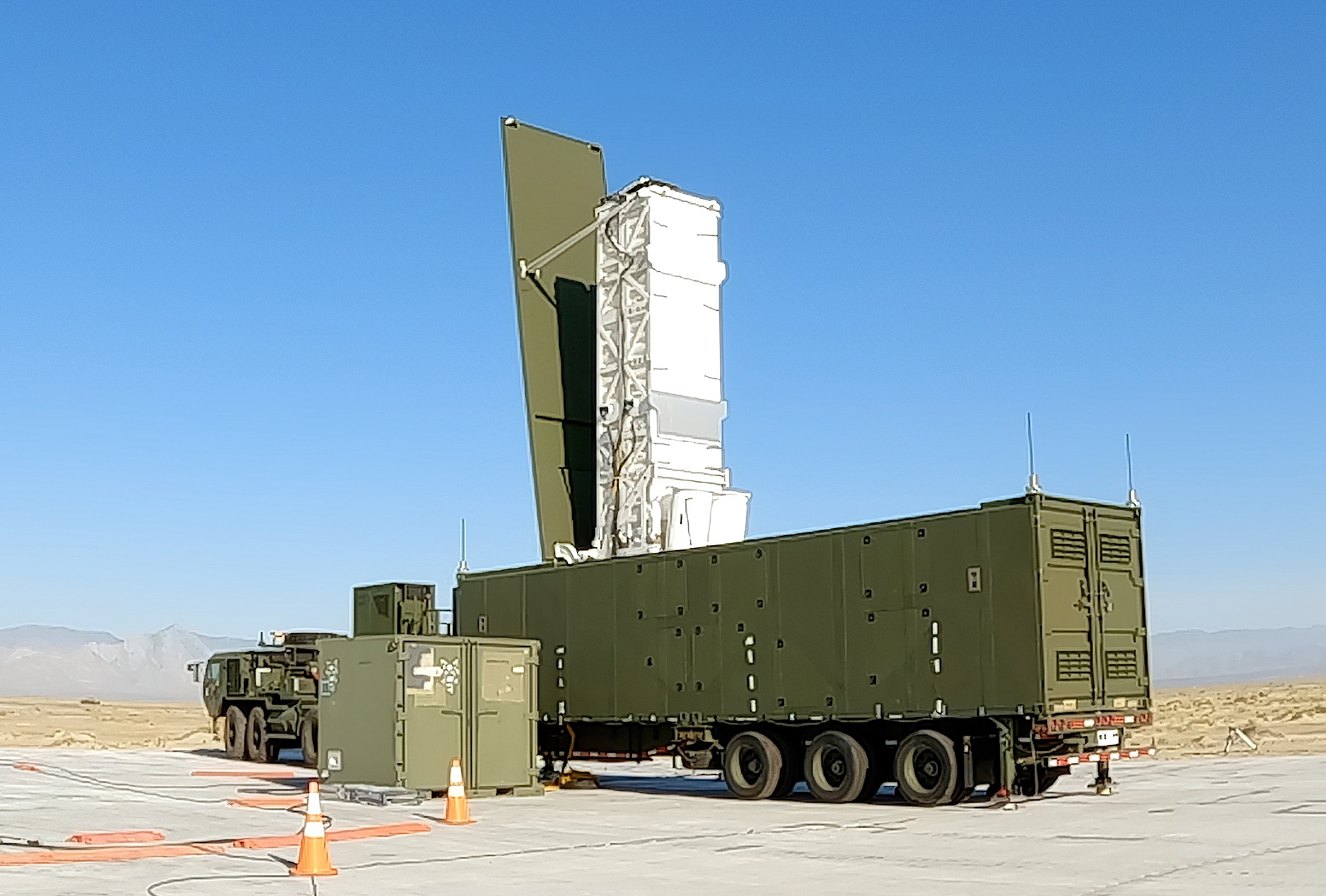
The U.S. will also include the Typhon system in the drills, a ground-based launcher capable of firing medium-range missiles. The Typhon, which remains in the Philippines following a 2024 deployment, reflects Washington’s strategic intent to maintain a rapid-response posture in the region.
The inclusion of NMESIS and Typhon is seen as a direct counter to China’s naval presence in the region, particularly in contested waters around the South China Sea and areas near Taiwan.
This year’s drills will incorporate realistic combat scenarios simulating threats from hostile naval forces. Analysts suggest the presence of U.S. missile systems close to Taiwan may serve as a deterrent to any provocative moves by the Chinese navy.
The Balikatan exercises come amid heightened tensions in the Indo-Pacific, with Washington reaffirming its mutual defense commitments to Manila.
China has condemned similar U.S.-Philippine exercises in the past, calling them destabilizing.
The deployment of NMESIS during Balikatan marks a major demonstration of U.S. and allied capabilities in the Western Pacific, signaling readiness to confront emerging regional threats.