


German Diehl Defence and POLARIS Raumflugzeuge GmbH have signed an exclusive cooperation agreement to develop an unmanned airborne strike platform equipped with IRIS-T missiles, the companies announced today during the Paris Air Show.
In a joint statement, Diehl Defence CEO Helmut Rauch and POLARIS CEO Dr. Alexander Kopp said the new initiative will integrate Diehl’s combat-tested IRIS-T air-to-air missile into POLARIS’ reusable unmanned carrier aircraft. The program, referred to as the “Airborne Launching and Attack System,” or AirLAS, is expected to expand the operational range and flexibility of future air defense architectures.
According to Diehl, the AirLAS concept is designed to address current challenges in ground-based air defense through a mobile, cost-effective, and multi-domain system. The solution combines POLARIS’s flight-proven unmanned vehicle with Diehl’s IRIS-T missile to deliver a launch platform capable of operating from the air, on land, or potentially at sea.
“The AirLAS approach offers extended reach and greater engagement distance,” the companies said. “This system opens a new dynamic for armed forces by increasing mission endurance and responsiveness.”
Initial flight tests of the system are planned for later this year.
The IRIS-T, developed by Germany and in service with multiple NATO countries, is a highly maneuverable short-range missile typically deployed on fighter aircraft. Its integration into an unmanned aerial system introduces a novel method for launching precision air-to-air weapons from platforms that can loiter for extended periods or operate in contested environments without risking pilots.
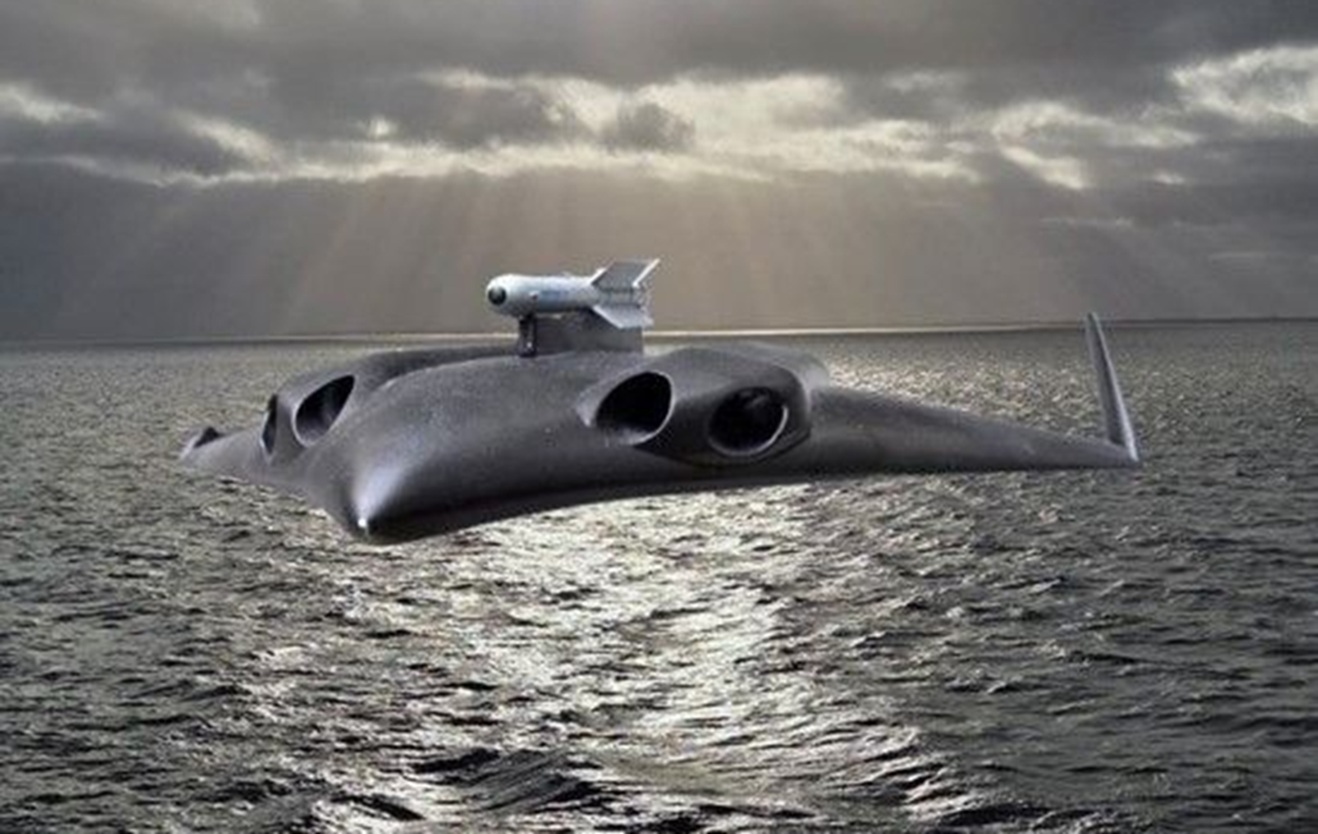
The companies say the system could eventually be embedded within the Future Combat Air System (FCAS) program or adapted for maritime operations. It also has potential as a building block for future long-range hypersonic strike systems, they noted.
This cooperation builds on a February 2025 contract awarded to POLARIS by Germany’s Federal Office of Bundeswehr Equipment, Information Technology and In-Service Support (BAAINBw). That contract calls for the design of a two-stage, fully reusable hypersonic research vehicle capable of horizontal takeoff and landing. The project includes options for prototype manufacturing and flight testing and is part of Germany’s broader investment in hypersonic development.
POLARIS said the vehicle will serve both as a hypersonic testbed and an experimental platform for defense and scientific missions. When fitted with an expendable upper stage, it will also have the ability to serve as a small-satellite launcher.
In a statement, Diehl and POLARIS emphasized that AirLAS is intended as a modular capability designed for integration with future air combat and missile defense systems, and that its development reflects a shift toward distributed and unmanned warfare concepts.
With the growing emphasis on survivability, range, and rapid response, the companies said, combining reusable unmanned vehicles with proven munitions could offer NATO forces a valuable new operational tool.