

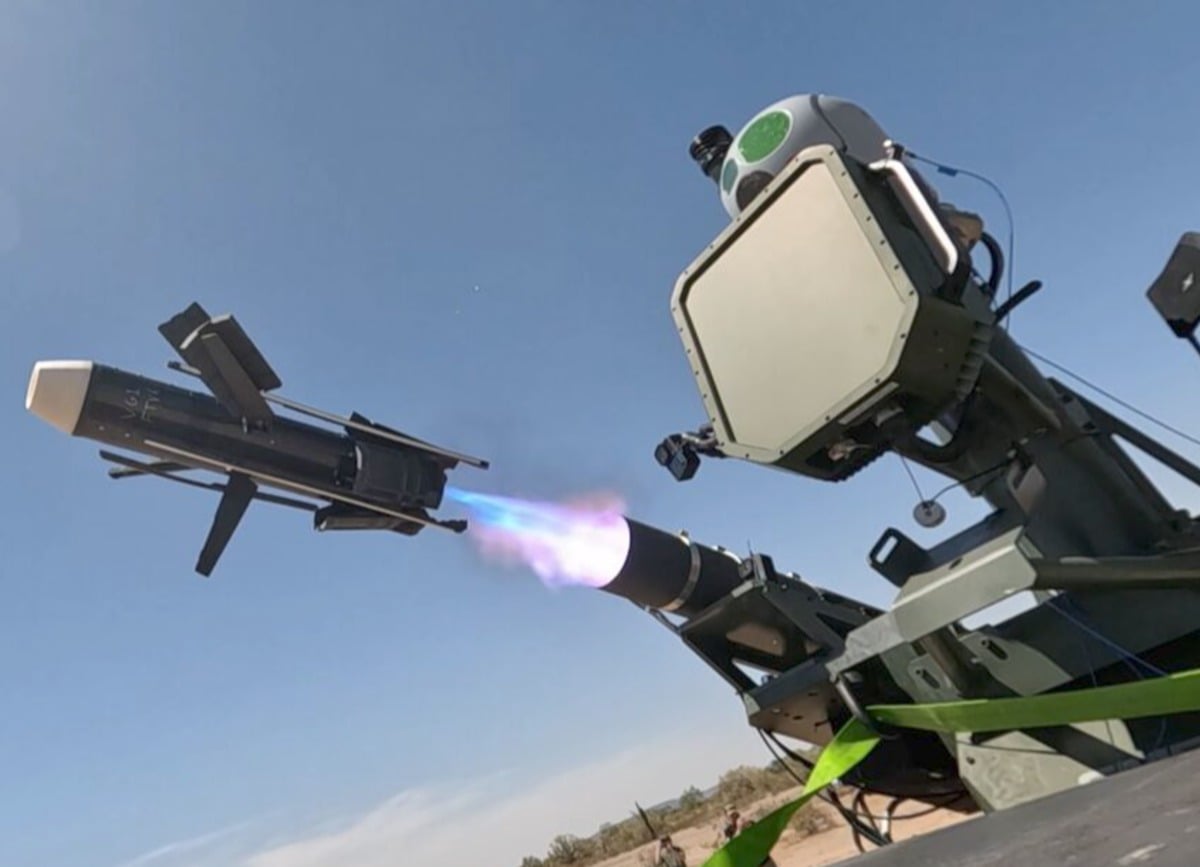
- Echodyne told The Defence Blog its new Kirkland, Washington facility will produce more than 30,000 counter-drone radars annually.
- Echodyne's MESA radars are deployed in Ukraine, at Lithuania training grounds, and across multiple U.S. military programs.
Echodyne’s counter-drone radar has become one of the most widely deployed sensors on modern battlefields, showing up on test ranges in the United States, at military training grounds in Lithuania, and in active combat use in Ukraine, and the Kirkland, Washington company told The Defence Blog in a written interview that it is now racing to keep up with demand by opening a new manufacturing facility capable of shipping more than 30,000 radars a year.
Echodyne builds its radars around a patented technology called MESA, short for Metamaterials Electronically Scanned Array, which steers a radar beam electronically instead of relying on a mechanically rotating dish, allowing the company to pack radar performance once reserved for large, expensive military systems into a compact, low-power unit. Founded in 2014 as a spin-out from Intellectual Ventures and backed by investors including Bill Gates, Northrop Grumman, and venture firm Madrona, the company has spent the past two years building a track record across the U.S. military and allied forces that The Defence Blog has covered as it developed.
Echodyne’s EchoShield radar was selected as the primary sensor for Trust Automation’s SUADS counter-drone platform under a $490 million U.S. Air Force contract, the U.S. Department of State awarded Echodyne a $14.9 million contract to supply 360-degree tactical radar systems for use in Ukraine, and Army soldiers have tested EchoShield-equipped weapon stations at Fort Hood that can engage drone targets in under three seconds. To meet the demand generated by that expanding footprint, Echodyne is building an 86,350-square-foot (8,022-square-meter) manufacturing facility near its Kirkland headquarters, a $40 million investment the company says will let it flex production capacity across its EchoShield, EchoFlight, and EchoGuard product lines as orders continue to climb.
The Defence Blog put some questions to Echodyne about what that scale of demand says about the state of counter-drone warfare, how Ukraine has shaped the company’s technology, and where it sees the threat heading next. Echodyne’s answers are presented here in full.
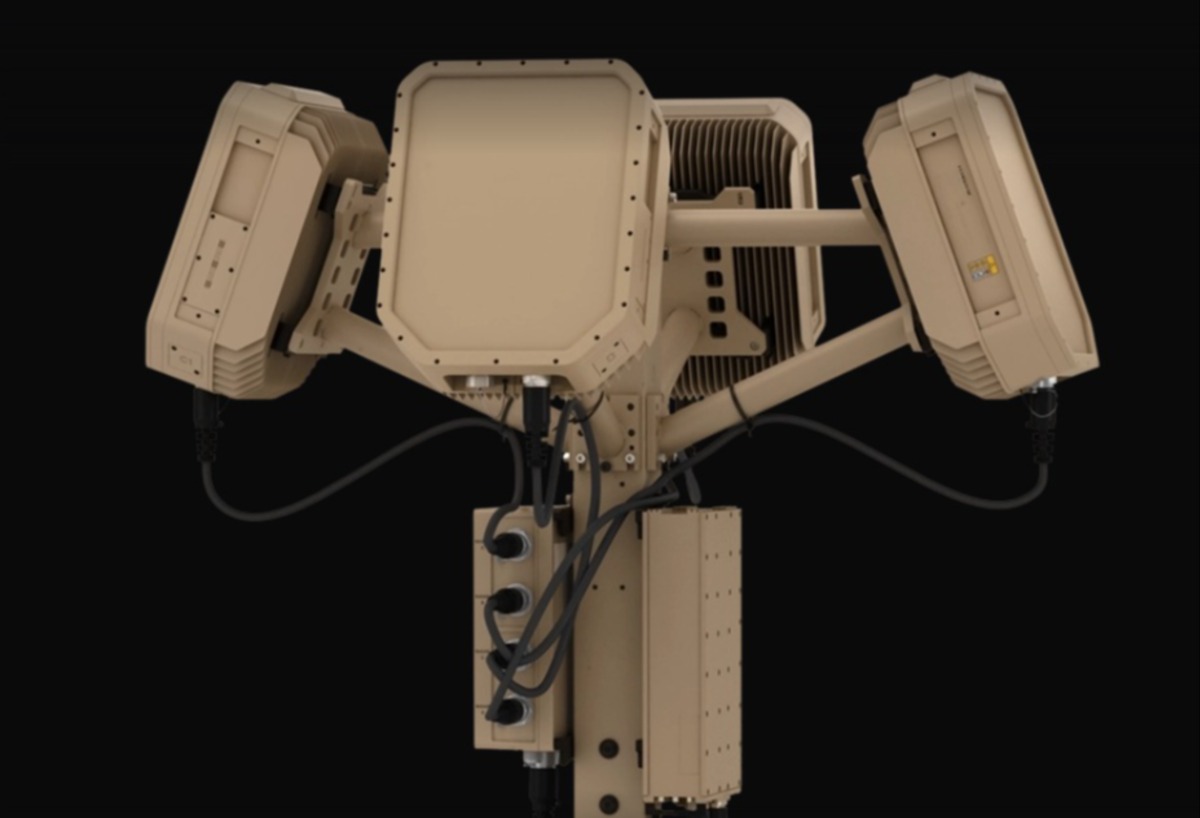
Q: Echodyne’s sensors are increasingly visible at counter-UAS and air threat defense system demonstrations, from test ranges in the United States and military training grounds in Lithuania to active operational environments in Ukraine. How does Echodyne interpret this broad recognition, and what does it say about the maturity and reliability of your technology?
“We are proud to be selected by so many integrators and end users around the world, with a list of customers and partners that continues to grow at a rapid pace. Overall, it emphasizes the maturation of counter-UAS understanding at all levels: how fast both technology and applications change, how asymmetric the engagement economics of Defense have become, and what is required at the systems level to counter this threat. All of this is maturing swiftly, with deployments and engagements in Ukraine being the main driver. As understanding develops, all aspects of the solution, from cost to availability to data fidelity must also be challenged.”
“In the radar world, buyer focus has shifted from purely ‘range’ to emphasize data fidelity (accuracy, precision), data rate, track continuity, minimal training requirements, and manufacturing scale. These are areas in which Echodyne scores very high marks. When combined with very high levels of integration, deployment, and operational support, our customers tend to agree that this is a winning formula. That level of customer satisfaction together with increased demand has led directly to Echodyne opening a manufacturing facility able to supply 30,000 radars per year.”
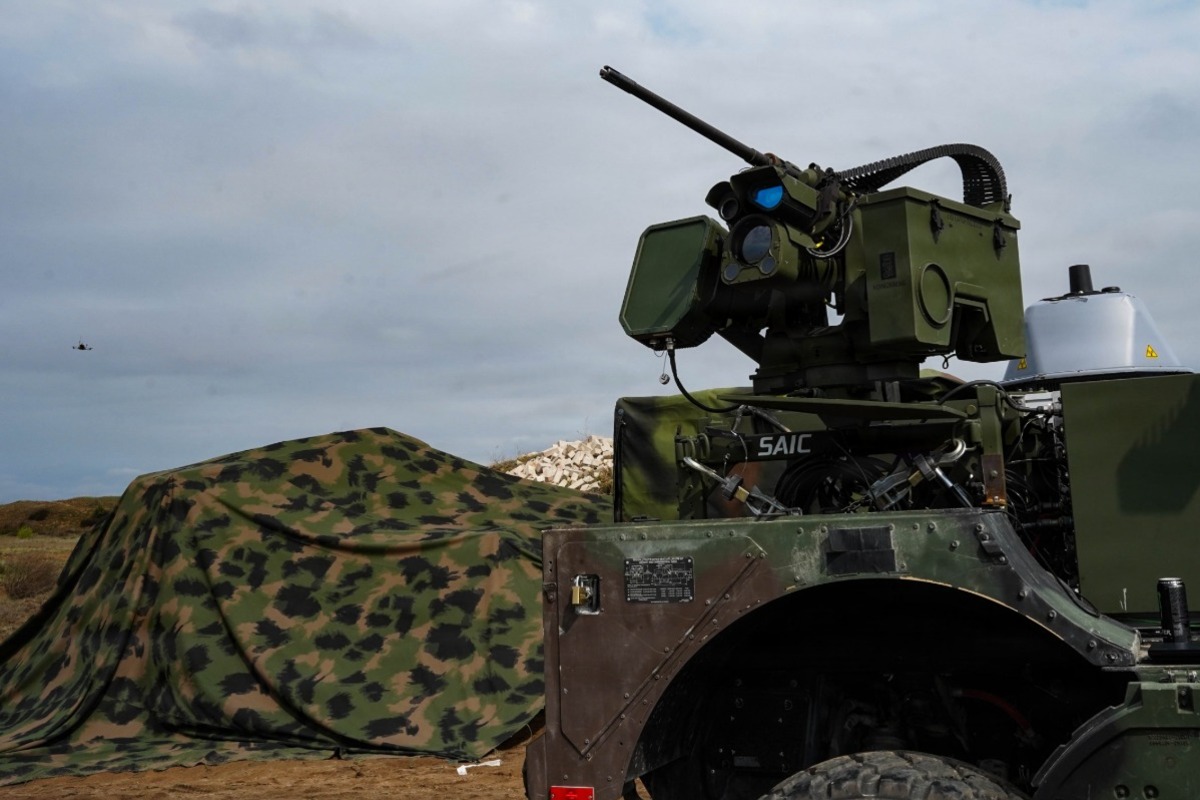
Q: What specific capabilities of Echodyne’s sensor systems have proven most critical in real-world, high-intensity environments such as those seen on the Ukrainian battlefield?
A: “A radar exists for one purpose: to generate data about its operating environment. In the past, when the problem revolved around defending against conventional threats, such as expensive, large, fast aircraft and missiles flying in relatively straight lines at high altitudes, nation states built what we would now consider to be conventional deterrence targeting high-cost, high altitude threats with predictable trajectories.”
“Ukraine demonstrates a radically altered problem: how to defend against relatively tiny, fast, agile, lethal UAS threats operating at low altitude. Countering this threat requires agile systems, capable of generating precision awareness data. From initial detection to hard track to effector platforms, the system requires accuracy and precision at commercial production scale. Our MESA radars are selected because they consistently generate high fidelity data. Crucially Echodyne will soon be manufacturing and shipping radars at high commercial scale with the opening of a facility capable of producing significant radar quantities each year.”
Q: How has operational feedback from end users and military partners shaped the evolution of your products over the past 12 to 18 months?
A: “Our radars are software-defined, allowing us to continue to make improvements to radar performance over time through software updates. Our close alignment with partners and customers captures requirements at the earliest stage and prioritizes development that scales across our customer base with each software update.”
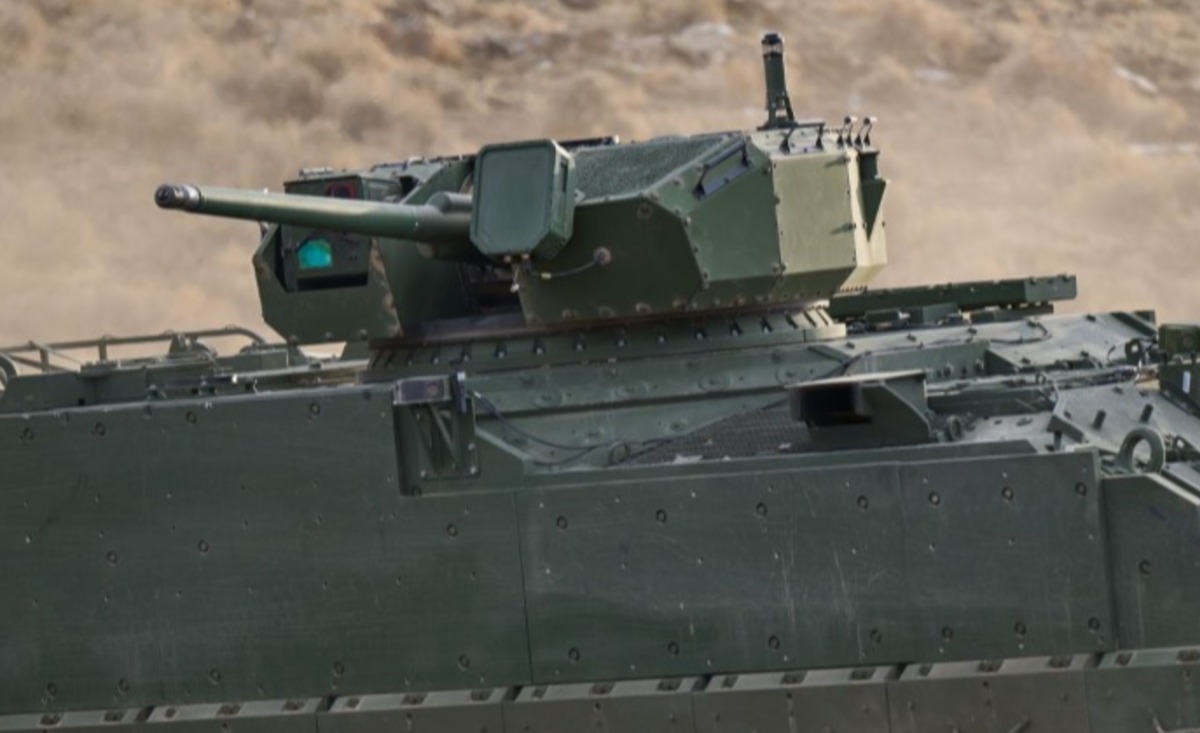
Q: As the counter-UAS market grows increasingly crowded, what distinguishes Echodyne’s approach, technologically and strategically, from competitors?
A: “There are five areas where we stand apart.”
“First, data fidelity. MESA radars consistently generate competitively superior angular accuracy (azimuth and elevation), essential for nearly every defeat system. This is not easily matched by conventional ESA or mechanically scanned radars, and it is increasingly recognized as essential to counter the UAS threat.”
“Second, classification. Our advanced software-based radars task advanced resources that rapidly turn an ‘unknown’ into a defined class of objects and threats, accelerating the detect-defeat timeline.”
“Third, platform flexibility. The same radar operates equally well in fixed, portable, or on-the-move configurations. This gives operators maximum flexibility in deployment while also reducing procurement hurdles.”
“Fourth, integration. Our integrations are straightforward and data-rich while being designed to enhance the performance of the wider system. We can swiftly adapt to different protocols and translations, ensuring optimal operator flexibility.”
“Lastly, support across the lifecycle. We work very closely with integrators and end users to solve any coding challenges that arise as software evolves and solutions are enhanced. That sustained relationship through deployments and software cycles further distinguishes us from competitive products.”
Q: Are there upcoming product developments, partnerships, or program announcements that Echodyne is prepared to share with the defense community at this time?
A: “We have a very high activity level and will be generating quite a few announcements regarding programs, customers, and technologies over the coming weeks and months. Our customers make their announcements on systems and platforms that include our radars, as well.”
Q: Looking at the broader threat landscape, how is Echodyne positioning itself to address next-generation aerial threats, including drone swarms and low-observable UAS?
A: “We are growing in all areas of the business, with increased demand and an expanding customer base. This is evidenced most visibly through our new manufacturing facility, which will be capable of producing more than 30,000 units per year. Our current generation of radars already handle swarms and low-observable UAS and maintain continuous improvements regarding classification and other areas. Staying close to our customers and learning from their operational experience helps us define improvements for our current MESA portfolio whilst also informing our next-generation thinking.”