

- U.S. and French forces completed a combined live fire training exercise at Arta, Djibouti, on June 22, 2026.
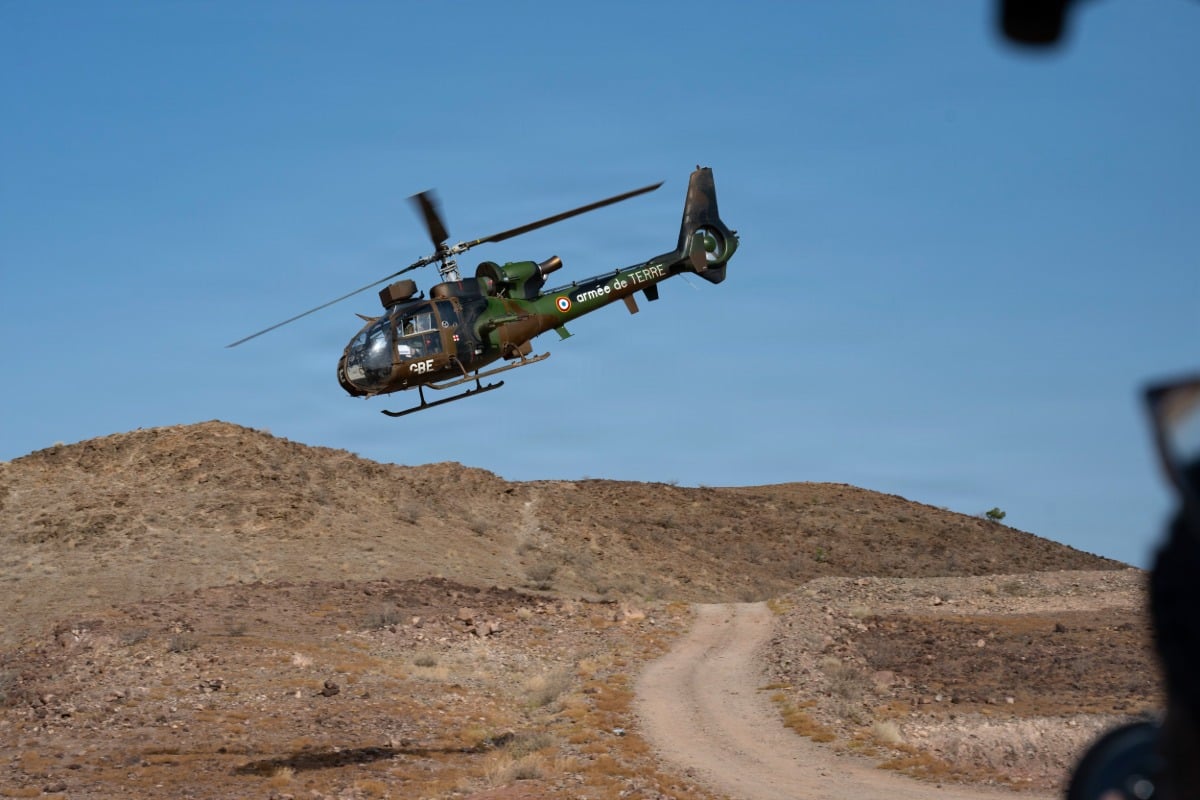
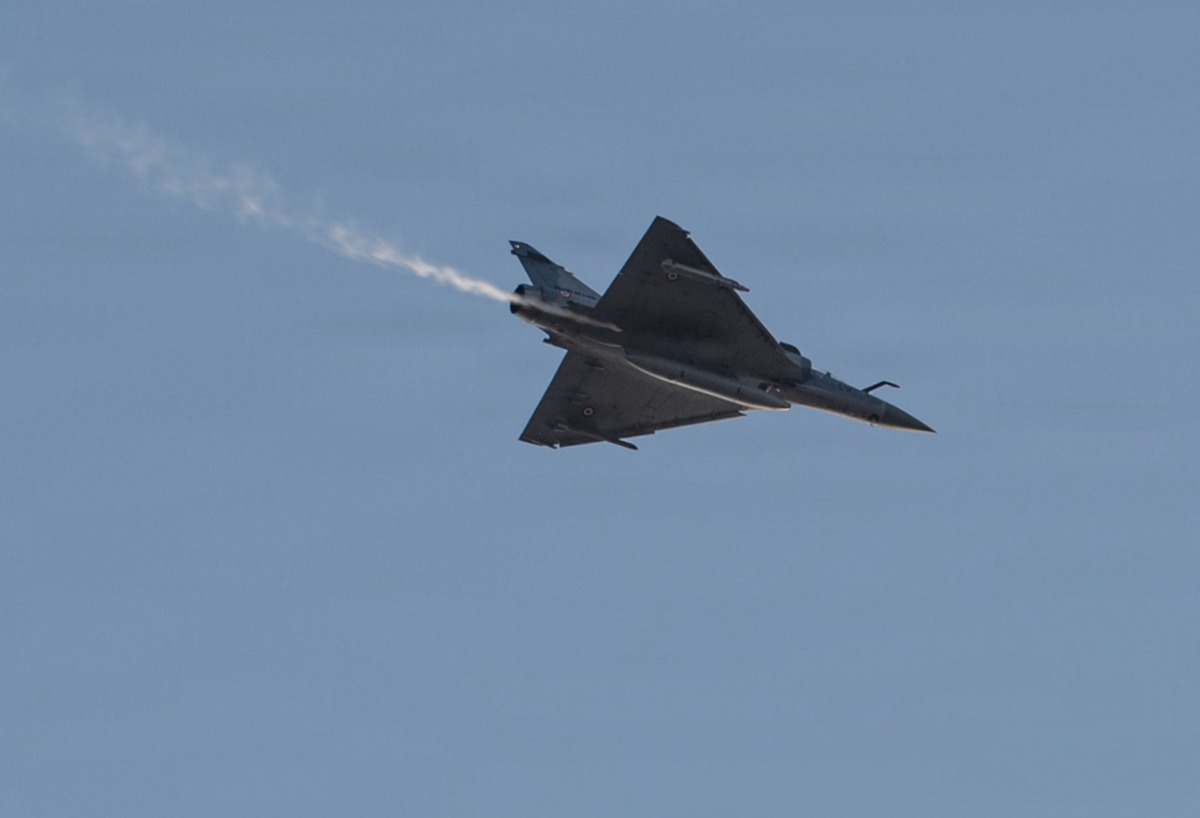
- The exercise involved JTACs directing a French Mirage 2000 jet and an SA 342M Gazelle helicopter.
Elite American and French forces spent a week in the desert heat of East Africa calling in live airstrikes together, sharpening the exact skill that decides whether a bomb lands on an enemy position or a friendly one. U.S. Air Force tactical air control party members and joint terminal attack controllers assigned to the East Africa Response Force, part of Combined Joint Task Force-Horn of Africa, wrapped up a combined live fire training exercise with French forces on June 22, 2026, at the Arta training range in Djibouti.
A joint terminal attack controller, commonly called a JTAC, is a specially trained service member who works on the ground alongside infantry units and talks pilots onto enemy targets in real time, a job that requires split-second coordination between troops under fire and aircraft moving at hundreds of miles an hour overhead, and getting that coordination wrong can mean the difference between a successful strike and a tragedy.
The exercise brought French air power directly into the mix rather than keeping the training limited to radio drills and simulations. A French Dassault Mirage 2000, a single-engine multirole fighter that has served as a backbone of the French Air Force since the early 1980s and remains capable of both air-to-air combat and precision ground strikes, conducted low pass fire drills over the range, giving American and French controllers live aircraft to practice directing rather than relying solely on tabletop scenarios. French Forces in Djibouti also flew an SA 342M Gazelle, a light attack and reconnaissance helicopter typically armed with anti-tank missiles or a 20mm cannon, conducting range checks ahead of the live fire portion of the exercise to confirm the training area was properly configured and safe for the aircraft involved.
Djibouti hosts this kind of exercise regularly for reasons that go well beyond convenience or tradition. The tiny East African nation sits directly across the Bab-el-Mandeb Strait, one of the world’s most critical shipping chokepoints connecting the Red Sea to the Gulf of Aden and, from there, the Indian Ocean, a waterway that has drawn intense international attention as Houthi rebels in nearby Yemen have repeatedly attacked commercial and military vessels transiting the strait in recent years. Camp Lemonnier, the U.S. base that hosts Combined Joint Task Force-Horn of Africa headquarters, sits only a few miles from a Chinese military installation, the People’s Liberation Army’s first overseas base, opened in Djibouti in 2017, putting American, French, and Chinese forces in unusually close proximity within a single small country and giving every training exercise conducted there an added layer of strategic significance beyond its immediate tactical purpose.
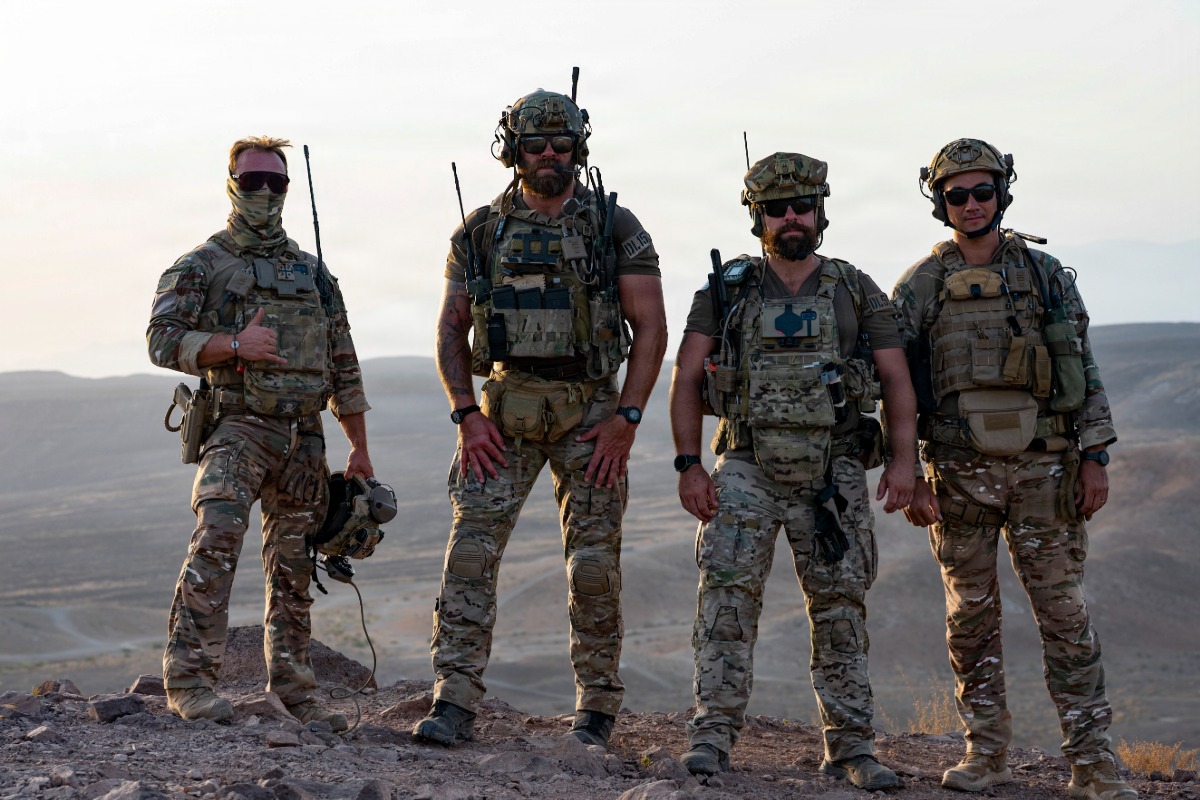
Combined Joint Task Force-Horn of Africa has operated out of Camp Lemonnier since 2002, originally stood up in the aftermath of the September 11 attacks to track militants who might flee toward East Africa and the Arabian Peninsula, and the roughly 2,000-person command has since evolved into the U.S. military’s primary vehicle for building partner capacity, countering extremist groups including al-Shabaab in neighboring Somalia, and maintaining a persistent American presence in a region where multiple world powers now compete for basing rights and influence. The East Africa Response Force, the specific unit whose JTACs and TACP members took part in this exercise, functions as the task force’s rapid reaction element, a force built to deploy on short notice for emergencies ranging from combat contingencies to humanitarian crises and noncombatant evacuations across the command’s area of responsibility.
France has maintained forces in Djibouti continuously since the country gained independence from French colonial rule in 1977, and French Forces in Djibouti today represents France’s largest permanent overseas military presence anywhere in the world, a relationship that predates the American footprint in the country by decades and gives Paris its own independent strategic reasons for keeping a close working relationship with whichever forces the United States rotates through Camp Lemonnier. That long-standing French presence is precisely why exercises like this one matter beyond a single week of live fire drills, since American and French controllers who train together regularly build the kind of shared procedures and mutual trust that cannot be assembled quickly once an actual crisis begins unfolding.
This month’s live fire drills fit into a broader rhythm of recurring joint training that Combined Joint Task Force-Horn of Africa runs throughout the year alongside French, Djiboutian, and other partner forces. The task force has hosted exercises ranging from Bull Shark, a personnel recovery exercise testing coordination across land, sea, and air domains, to the annual French-led exercise known as WAKRI, which has previously brought more than 2,000 French personnel together with American planners, medical staff, and infantry platoons for large-scale amphibious and combined arms training near the same Arta ranges used for this month’s close air support work. That pattern of frequent, varied exercises reflects a deliberate command philosophy rather than a series of isolated events, since repeated joint training across different mission sets is what actually builds the kind of institutional familiarity a single exercise alone cannot provide.