


Russian forces have claimed their successful strike against a launcher of Ukraine’s Neptune coastal defense missile system.
According to reports, Russian reconnaissance drones operating near the village of Liubytske in the Zaporizhzhia region identified a Neptune launcher as it prepared to fire. Within minutes, Russian forces directed a 9M723 Iskander-M ballistic missile with a fragmentation warhead toward the target.
Russian accounts said the missile did not achieve a direct hit on the launcher. Instead, fragments from the warhead struck near the system, triggering the booster engine of a missile on the launcher and causing secondary damage. The debris field and resulting fire reportedly inflicted further harm on the equipment.
Ukrainian officials have not released detailed information about the launcher or its crew. Current reports only indicate that the system sustained “serious damage” from both shrapnel and fire.
If confirmed, the strike would represent the first documented instance of a Russian attack damaging a Neptune system since the start of the full-scale invasion in February 2022. The missile has been a source of major concern for Moscow. Ukraine’s domestically produced R-360 Neptune gained international recognition in April 2022 after its role in the strike that sank the Russian guided missile cruiser Moskva, then the flagship of the Black Sea Fleet.
Since then, the Neptune has been modified into a land-attack version capable of targeting Russian logistics, command posts, and critical infrastructure deep behind the front lines. Its effectiveness and relatively limited numbers have made it a high-value target for Russian forces.
The reported strike near Liubytske underscores the growing role of Russian reconnaissance drones in identifying Ukrainian missile units for rapid strikes. The integration of drone surveillance with Iskander missile attacks illustrates Moscow’s efforts to counter Ukraine’s mobile, hard-to-detect long-range strike assets.
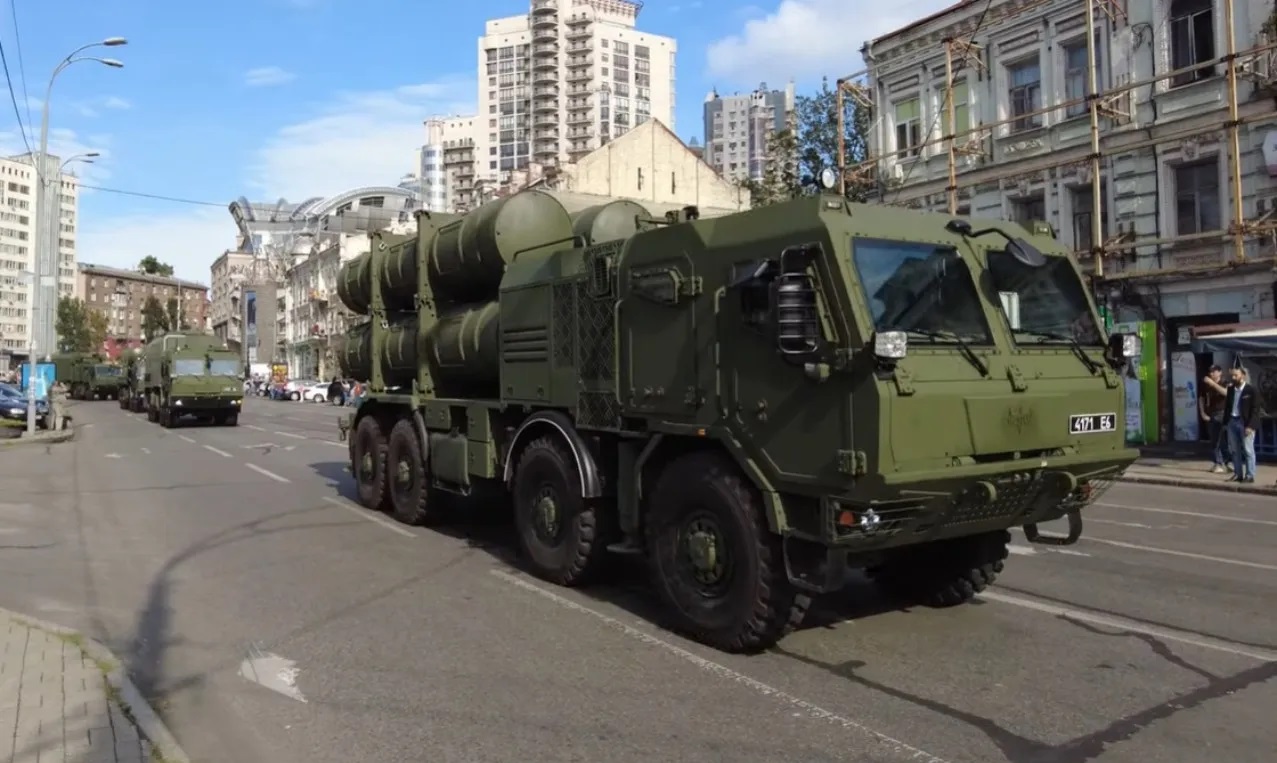
The Neptune missile system, developed by Ukraine’s Luch Design Bureau. It has a range of up to 300 kilometers in its anti-ship configuration and has been adapted for land-attack missions during the war. The system typically includes a mobile launcher, command and control vehicles, transport loaders, and support equipment.