

- Russian forces are increasingly substituting real air defense systems with decoys to reduce losses from Ukrainian drone strikes.
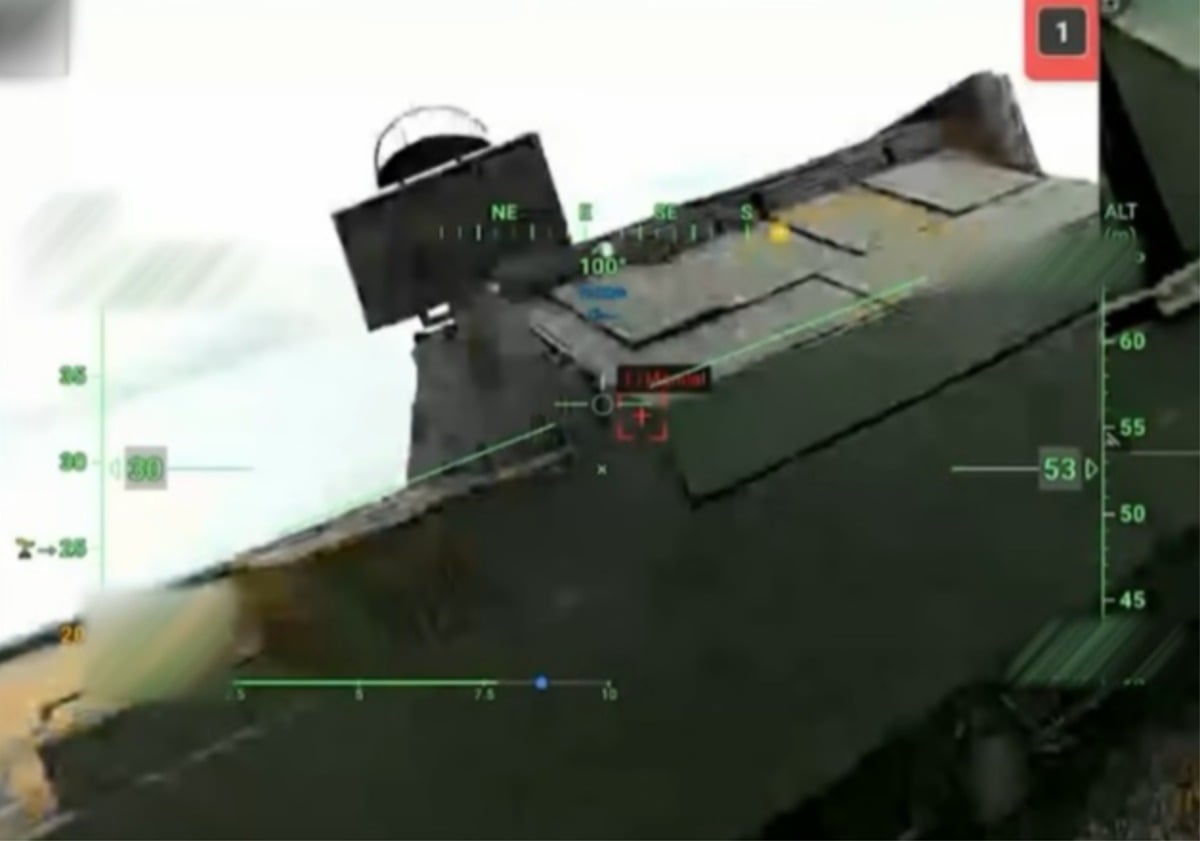
- Ukraine's Omega Special Purpose Center released footage of a Hornet drone strike on what it described as a Tor system in Luhansk region.
Russian forces have grown increasingly willing to sacrifice a fake air defense system rather than a real one, a pattern that keeps surfacing in drone strike footage even as Ukrainian units continue to celebrate each new video as a confirmed kill.
A recent example centers on footage released by Ukrainian military showing a Hornet kamikaze drone striking what the unit described as a Russian Tor surface-to-air missile system worth roughly $25 million in Luhansk region. Multiple outlets reported the strike as a confirmed kill in the days that followed, but a closer look at the targeting footage itself points toward a broader and more consequential story than any single engagement: Russia’s growing reliance on convincing decoys to blunt a Ukrainian drone campaign it has struggled to stop through conventional air defense alone.
The Tor is a short-range, tracked air defense system Russia positions close to the front specifically to protect troops and equipment from aircraft, helicopters, cruise missiles, and drones, which makes it one of the higher-value targets Ukrainian forces can find and one Russia has every incentive to keep safe from exactly the kind of strike footage shows.
That incentive runs directly into a problem Russia has not solved through jamming or interception alone. Ukraine has flown a relentless and expanding campaign of drone strikes against Russian air defense assets for more than three years, and every genuine Tor, Pantsir, or S-300 battery destroyed in that campaign costs Moscow tens of millions of dollars and weeks or months to replace, a drain the Russian defense industry has not been able to fully absorb through production alone.
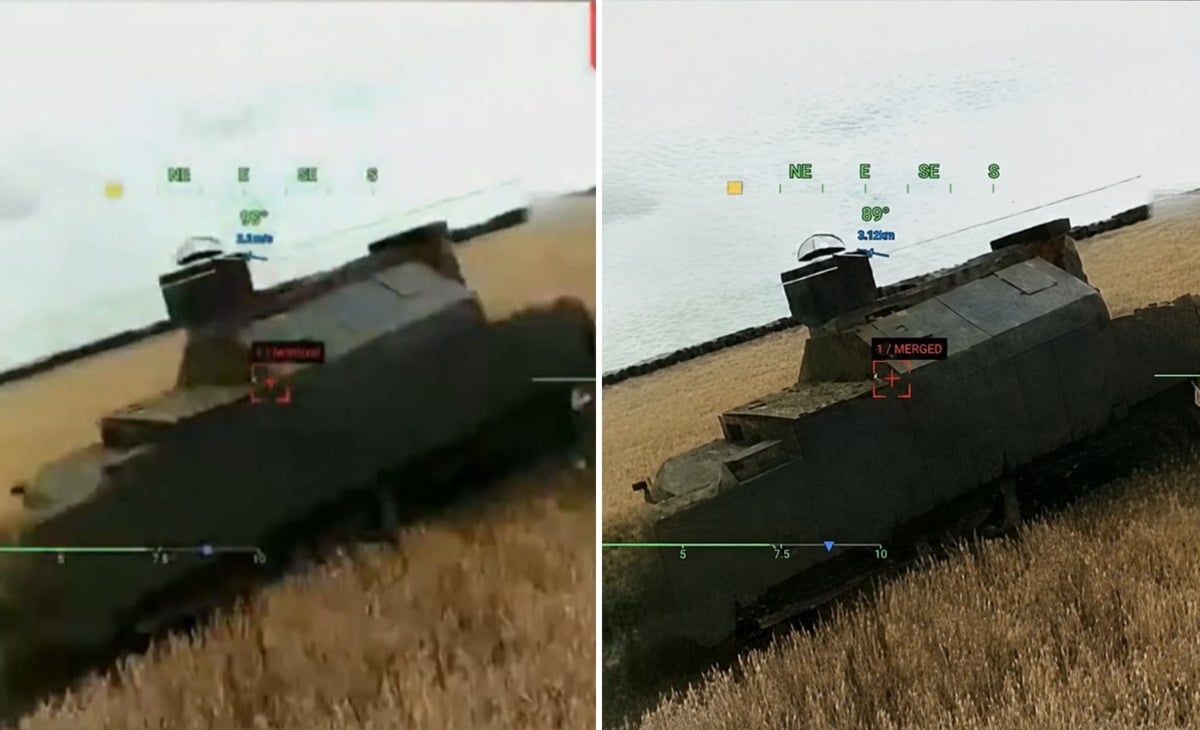
The footage from Luhansk fits that pattern closely enough to warrant scrutiny. The vehicle centered in the drone’s crosshairs displays a flat, simplified turret shape, uneven panel lines, and a surface texture noticeably less detailed than the sensor arrays, radar dishes, and missile canisters visible on a genuine, operational Tor system, characteristics consistent with the kind of lower-fidelity mock-up Russian forces have deployed as this tactic has spread.
This kind of deception carries clear precedent from earlier in the war. In November 2023, a Russian Lancet loitering munition appeared to destroy a Ukrainian Su-25 attack jet at Dolgintsevo air base, footage that circulated widely as a confirmed kill before analysts, including the OSINT account Osinttechnical, identified the target as an unusually accurate decoy sitting in a hardened aircraft shelter, complete with matching camouflage and unit markings.

What ties these examples together is a war in which both sides have learned that a convincing fake now delivers real strategic value, sometimes more than the genuine system it imitates, simply by absorbing an adversary’s expensive precision weapon before it ever reaches an actual target. Russia’s apparent expansion of that tactic against Ukraine’s growing drone campaign suggests Moscow has concluded it cannot out-produce or out-intercept the threat, so it has started trying to out-fool it instead, one plywood radar dish at a time.