

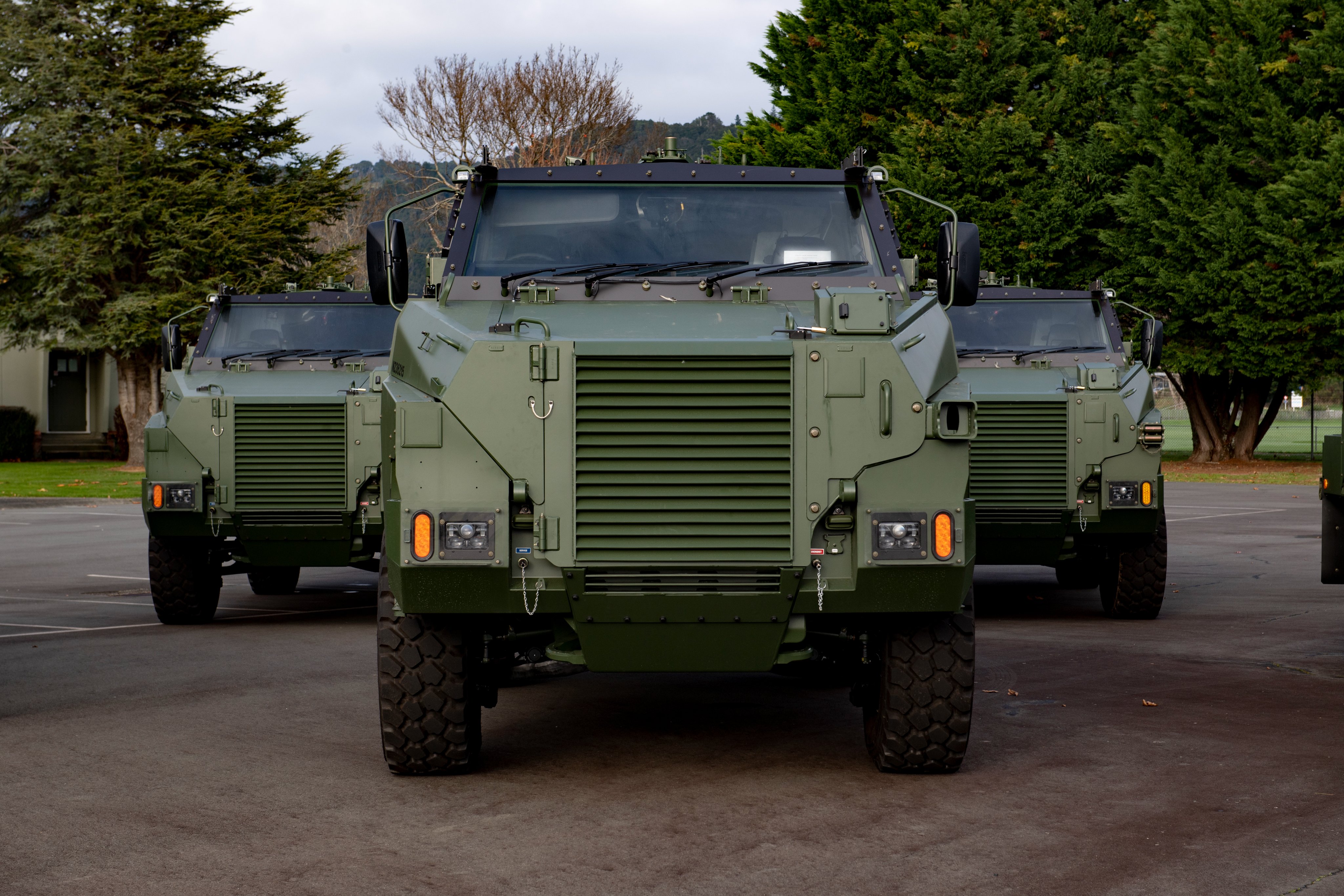
New Zealand Army recently received its first 18 Bushmaster protected mobility vehicles.
“The arrival of the Bushmaster fleet represents a significant uplift in capability and protection for defence force personnel, and a milestone in the Government’s historic investment in our defence kit,” Defense Minister Andrew Little said.
The 43 Bushmasters are Australian-designed and built vehicles and will replace the New Zealand Army’s ageing armoured Pinzgauers.
“Bushmaster vehicles carry more troops than the armoured Pinzgauer and offer greater blast and ballistic protection to personnel,” Andrew Little said.
“Our soldiers operate in a variety of challenging situations. The Bushmasters are multipurpose vehicles that will boost their ability to help communities here in New Zealand, the Pacific, and overseas – whether they are on peace and security missions, search and rescue, or natural disaster operations.”
December 2017, the Government has invested more than $4.5 billion in 12 major defence capability projects. This includes $102.9 million towards the Bushmaster fleet.
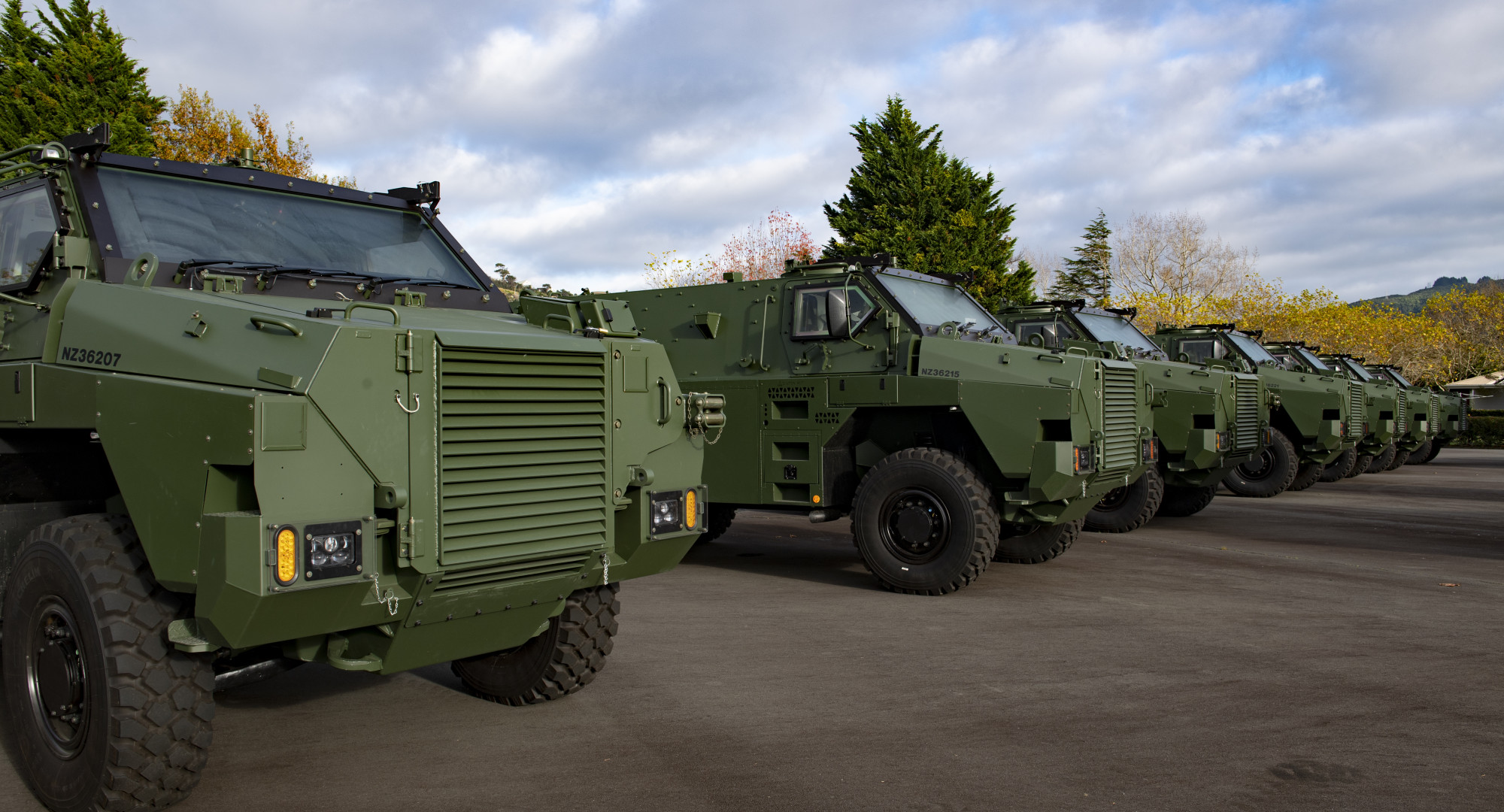
“This Bushmaster fleet was designed specifically for our use. It comes in five different variants to carry out a range of tasks, including mobile communications and command hubs, troop transport, and protected ambulances,” Andrew Little said.
The Bushmasters will also enhance the New Zealand Defence Force’s interoperability with our overseas partners, as many already use them.
“The remainder of the Bushmaster vehicles will arrive in batches throughout 2023. They are being tested and certified for use at Trentham Military Camp, before being sent to their home bases,” Andrew Little said.
Budget 2023 also included investment in world class communications systems to ensure interoperability with our international partners.
Arriving into our New Zealand Army’s fleet, the Bushmaster 5.5 is designed to provide high-level protection for Soldiers against a range of threats found in the contemporary environment, including peace and security operations and humanitarian and disaster responses.