


Sometimes, the answer to high-tech threats lies in low-cost, proven solutions. Just as shotguns have earned their place as an effective tool against drones, another old-school method is gaining traction on the front lines: nets.
The concept is simple — stop the drone before it reaches its target. Improvised “tunnels” made of mesh are now a familiar sight in Ukraine. Stretched across roads and key routes, these nets physically intercept attacking drones, causing them to crash or get stuck before impact.
This method is being used by both Ukrainian forces and Russian units. Recently, the 24th Mechanized Brigade, named after King Danylo, shared images of their latest installation of what they’ve dubbed a “tunnel of life.”
“In the photos, you see soldiers from the anti-aircraft artillery battalion of the 24th Brigade. They are installing protective netting along the streets of frontline Kostyantynivka to safeguard vehicles from enemy FPV drone attacks,” the unit said in a statement.
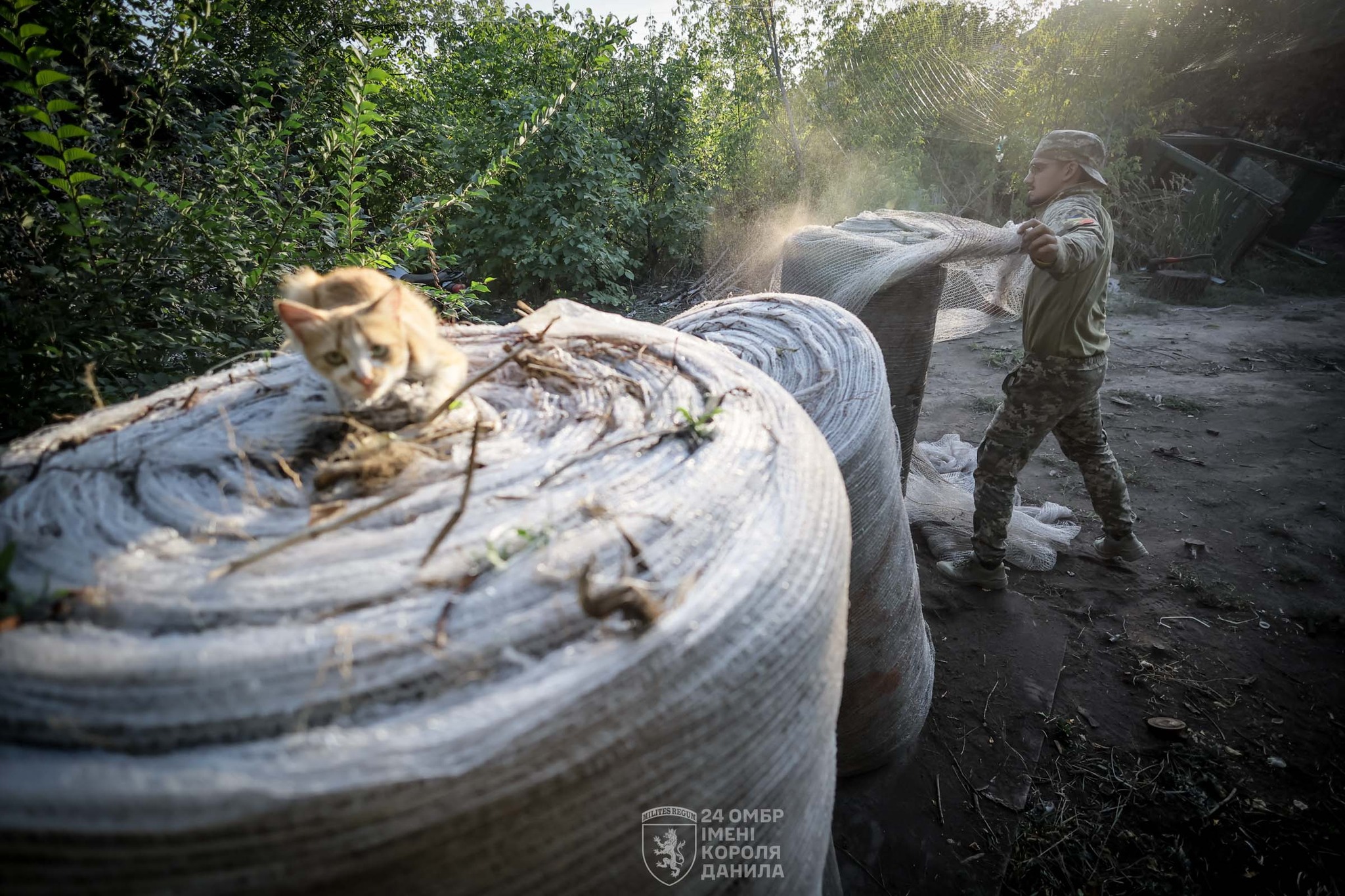
The brigade emphasized that the work takes place under constant threat of airstrikes, artillery fire, and drone attacks. “Each deployment is a risk, but also a direct effort to secure our logistics,” they said.
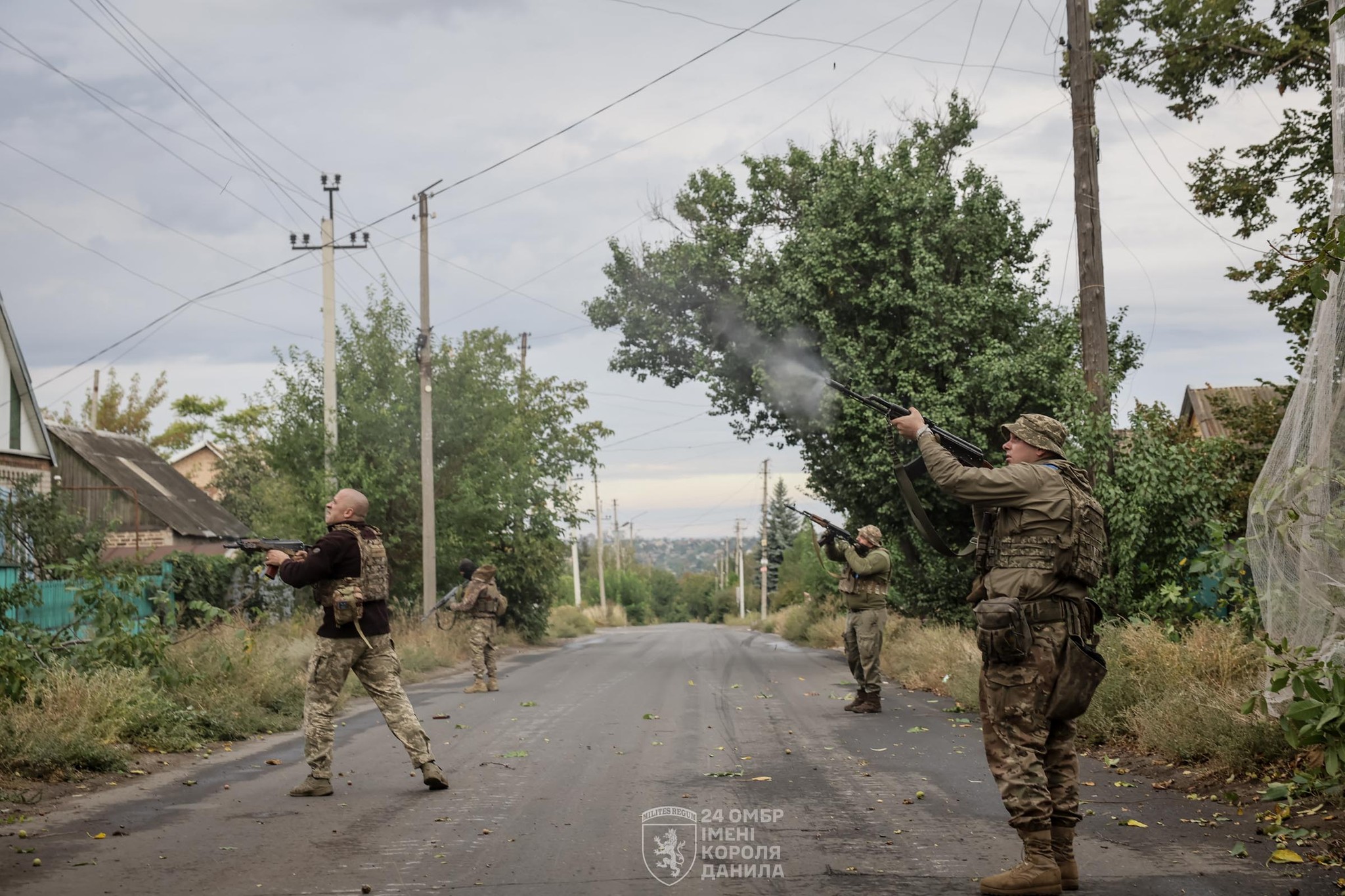
During the recent installation, enemy forces attempted to shell the troops. Despite the incoming fire, the team continued working, driven by the need to protect personnel and vehicles moving through contested areas.
The nets themselves are made from repurposed agricultural mesh — material the soldiers jokingly call “from Belgian vegetable farms.” When suspended over roads, the mesh disrupts the line of sight for drone pilots and physically stops the drones before they can hit moving targets.
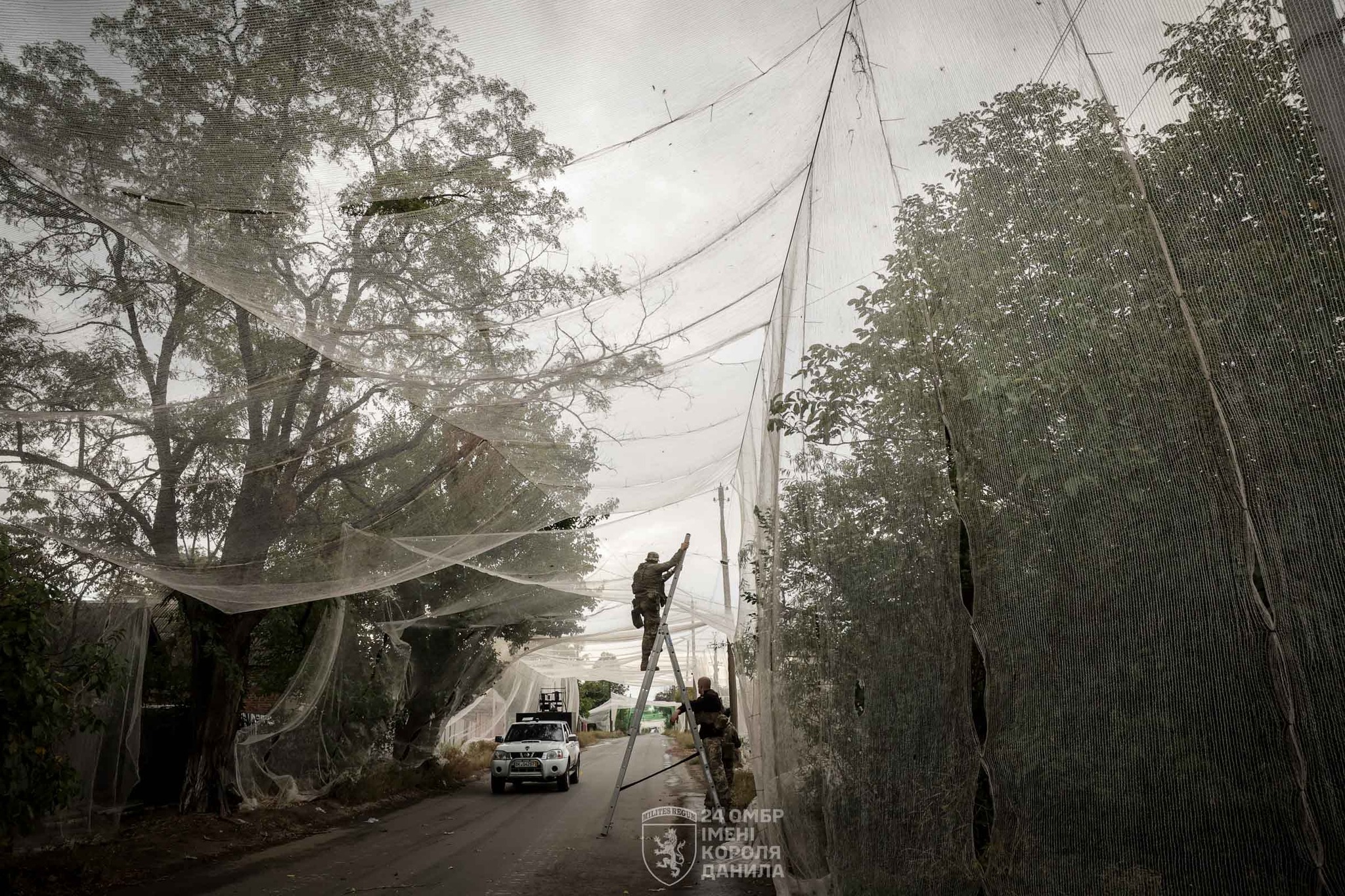
“These nets are saving lives,” the brigade noted. “The drones either get tangled and detonate in the air or fall to the ground without hitting anything of value.”
While not high-tech, the method is proving highly effective in an environment where FPV drones are becoming a daily threat.