

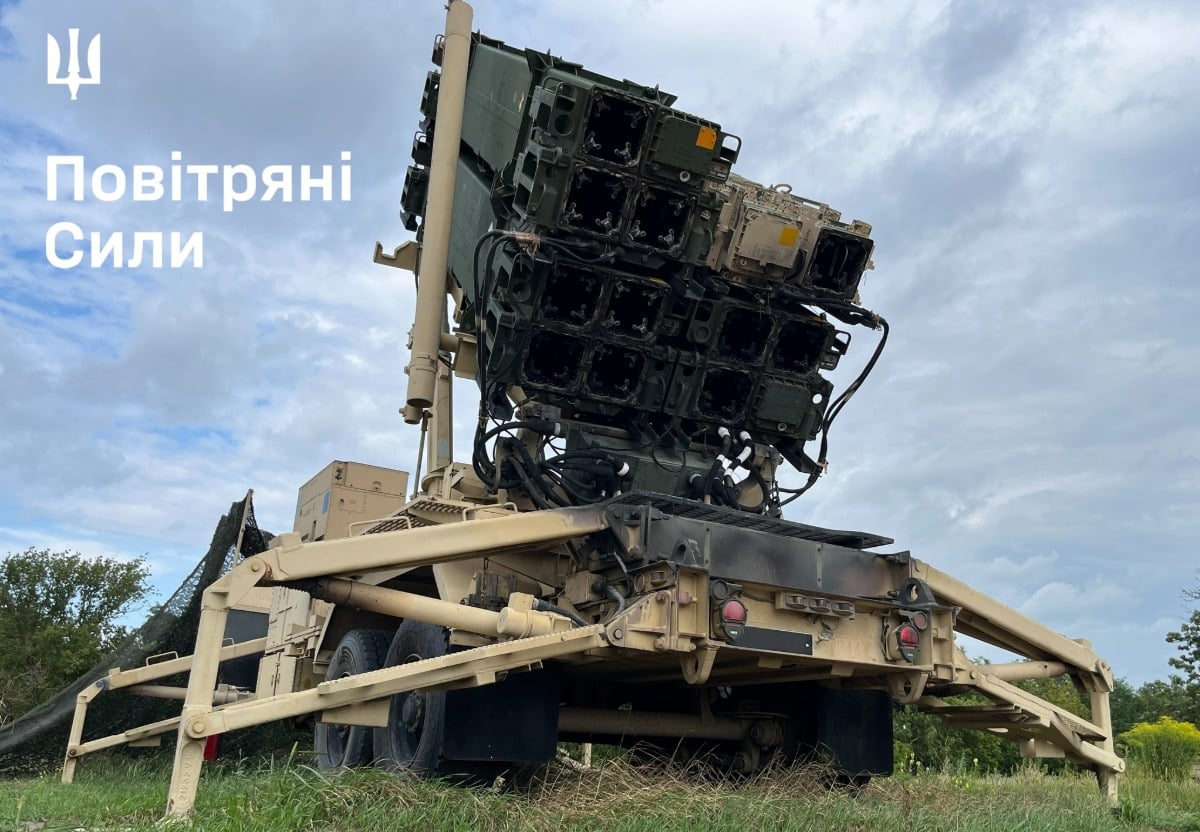
- Ukraine failed to intercept any Russian ballistic missiles overnight on July 6, 2026, amid a Patriot interceptor shortage.
- Russia launched 419 weapons at Ukraine, including 23 Iskander-M ballistic missiles and 6 Zircon or Oniks anti-ship missiles.
Ukraine’s air force failed to shoot down a single Russian ballistic missile during a massive overnight bombardment of Kyiv on July 6, 2026, a gap in the country’s defenses that officials directly attributed to a critical shortage of interceptor missiles for the Patriot air defense system, Ukrainian outlet Militarnyi reported, citing the Air Force’s own social media statement and remarks from spokesperson Yuriy Ihnat during a live television broadcast.
Russia launched 419 separate aerial weapons at Ukraine overnight, with Kyiv absorbing the brunt of what became one of the largest combined strikes of the year, a mix of cruise missiles, ballistic missiles, anti-ship missiles, and attack drones fired from multiple directions simultaneously to overwhelm the country’s layered air defense network.
Ukraine’s radio engineering troops tracked 68 missile launches and 351 attack drones during the assault, including Shahed-type kamikaze drones that Russia produces domestically under the name Geran, along with Gerbera and Italmas variants and decoy drones known as Parodia that carry no warhead but are designed to exhaust Ukrainian air defense resources by mimicking real threats on radar. Russian forces launched the barrage from Bryansk, Kursk, Oryol, and Vologda regions inside Russia, from the Black Sea port city of Novorossiysk, and from occupied territory in Ukraine’s Donetsk region, a geographically dispersed launch pattern that forced Ukrainian air defense crews to track incoming threats approaching from nearly every direction at once.
The missile portion of the attack included six 3M22 Zircon or Oniks anti-ship missiles, weapons originally designed to sink warships at sea but increasingly used by Russia against land targets in Ukraine, alongside 23 Iskander-M ballistic missiles, 33 Kh-101 cruise missiles, and six Kalibr cruise missiles. Ukrainian forces destroyed 31 of the 33 Kh-101 missiles and all six Kalibr missiles, a near-complete interception rate against those two cruise missile types that stood in sharp contrast to the outcome against ballistic weapons. By morning, Ukrainian officials had confirmed strikes from 29 ballistic and anti-ship missiles and 18 attack drones across 34 separate locations, damage that reflects both the sheer volume of the attack and the specific gap in ballistic missile defense that officials acknowledged publicly rather than downplaying.
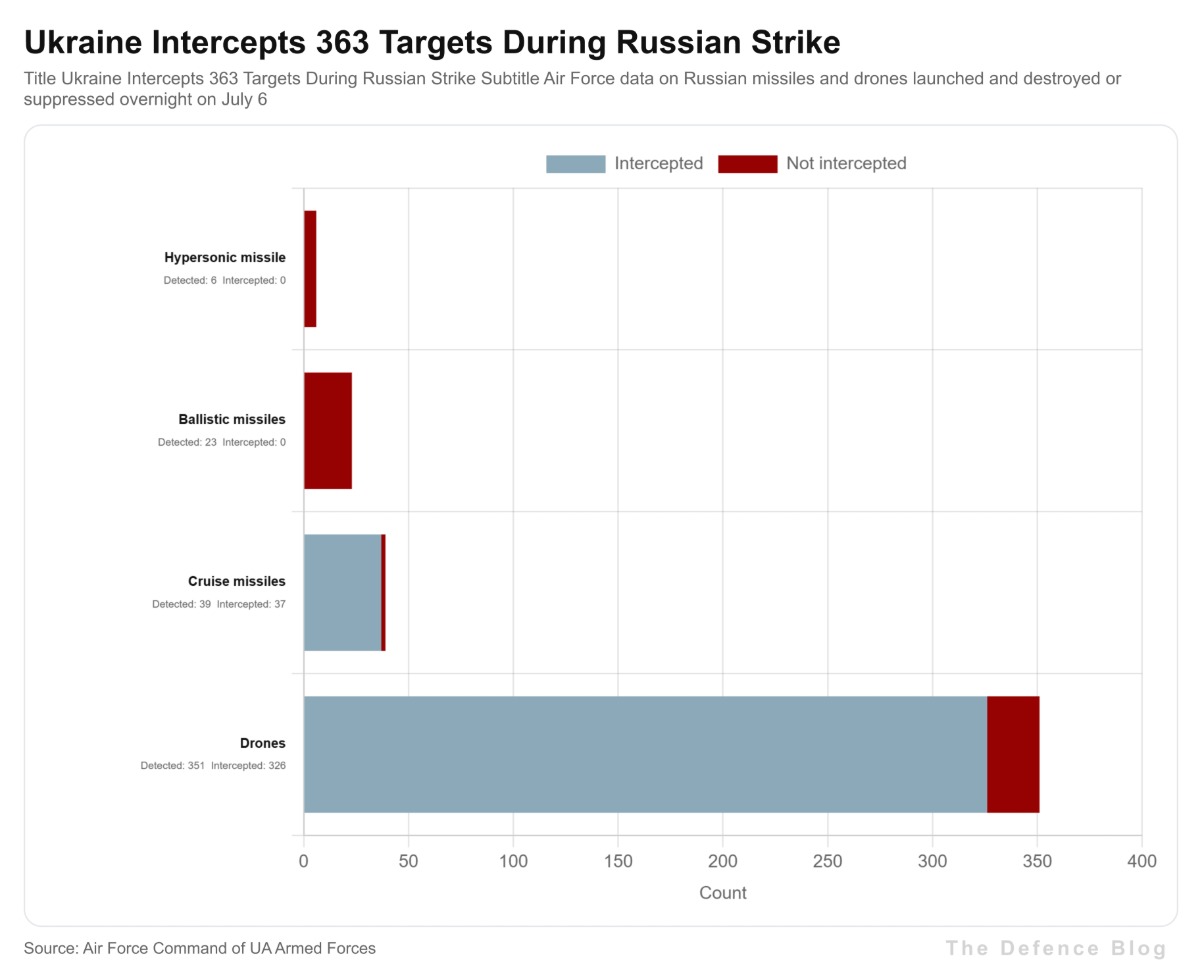
Ihnat confirmed that an acute shortage of specialized interceptor missiles for the Patriot system directly affected Ukraine’s combat performance during the attack, telling viewers that Russian military commanders are deliberately exploiting this shortage by leaning heavily on ballistic weapons precisely because intercepting a ballistic missile is a considerably harder technical problem than shooting down a cruise missile or a drone. A ballistic missile follows a steep, high-speed trajectory that gives ground-based defenses only a narrow window to calculate an intercept solution, and the Patriot system remains one of the only Western-supplied platforms in Ukraine’s arsenal capable of reliably engaging that category of threat at all, making any disruption to its interceptor supply immediately visible in nights like this one. Ihnat added that the interceptor shortage is not unique to Ukraine but reflects a global supply constraint, noting that Ukraine’s cruise missile interception rate this particular night approached 100 percent even as its performance against ballistic missiles fell far short of that mark.
The Defence Blog has previously reported that Ukraine’s overall interception rate across all weapon categories reached nearly 90 percent in June 2026, with the vast majority of intercepts coming against unmanned aerial vehicles rather than the harder ballistic and cruise missile targets that make up a small fraction of total launches but a disproportionate share of the technical difficulty. Ukrainian President Volodymyr Zelenskyy has separately described the country’s Patriot interceptor shortage as being at its worst possible level, and Ukrainian Patriot crews have reportedly adapted by engaging ballistic targets with single interceptors rather than the two to four missiles standard doctrine typically calls for, a conservation measure that stretches limited stockpiles but cannot fully compensate for a fundamental supply gap when Russia launches more ballistic missiles in a single night than Ukraine has interceptors available to answer them.
Defense Minister Mykhailo Fedorov responded to the shortage by confirming that Ukraine has signed, and continues signing, new contracts to purchase additional Patriot missiles, though he acknowledged that fulfillment of those contracts and direct deliveries will not begin until next year, an admission that leaves a substantial gap between when new orders are placed and when the missiles they produce actually reach Ukrainian batteries. Because of that timeline, Fedorov said Ukraine has appealed directly to international partners to urgently transfer interceptor missiles from their own existing stockpiles rather than waiting for new production, offering to replace those missiles later through future Ukrainian-manufactured deliveries once domestic alternatives currently in development reach operational maturity.
That domestic push includes programs like Fire Point’s FP-7.X interceptor, a Ukrainian-developed system targeting a unit cost below $1 million, considerably less than the several million dollars each Patriot interceptor currently costs, with a complete air defense system built around it planned for 2027.