


Ukraine’s defense innovation platform Brave1 has completed final testing of new long-range one-way attack drones, best known as kamikaze drones, capable of striking targets over 40 kilometers away, even in the presence of Russian electronic warfare systems.
According to a statement from Brave1, the newly tested loitering munitions are engineered to be “cheap, scalable, and practical,” offering Ukrainian forces a flexible strike capability with extended range and high survivability in contested electromagnetic environments. The drones, designed with direct input from frontline operators, are expected to enter combat testing soon.
“These 40+ km kamikaze drones represent a new level of strike capability against targets far beyond the front,” Brave1 said in a release. “With the support of Brave1 and feedback from the military, developers have created highly effective systems that will soon be deployed.”
The drones are designed for precision strikes, enabling Ukrainian forces to hit enemy concentrations, logistics nodes, or air defense assets with minimal risk to personnel. As noted by Brave1, the drones can maintain effectiveness even under heavy electronic interference — a recurring challenge on the modern battlefield.
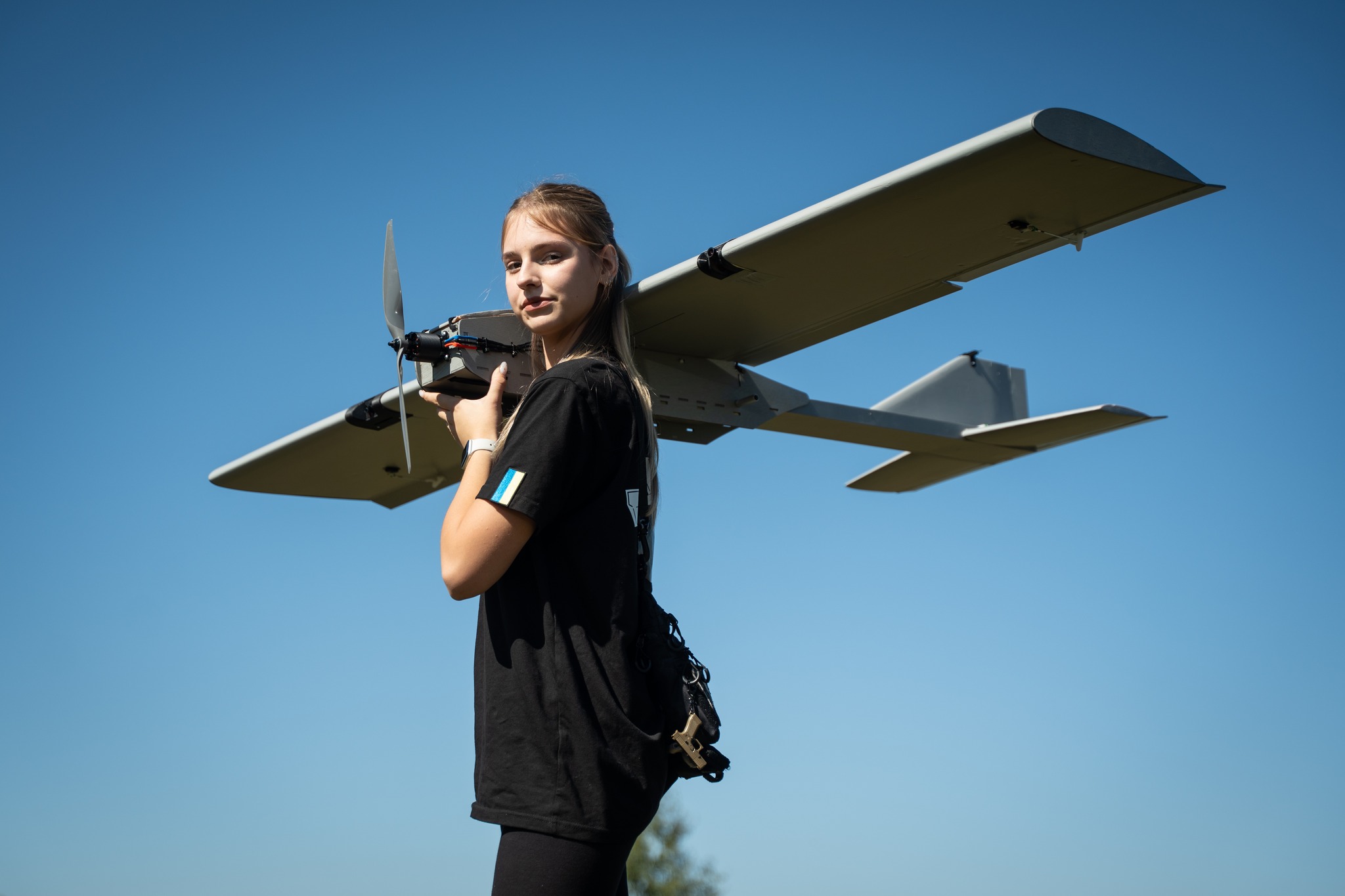
Officials say the drones are intended to serve as a low-cost alternative to artillery or missile systems for tactical strikes at extended distances. The combination of affordability, range, and resilience against electronic warfare offers a critical advantage as Ukraine continues to adapt to a war defined by deep fires and counter-drone warfare.
“Loitering munitions like these help ensure precise strikes at ranges of 40, 50, or more kilometers — leaving the enemy without options,” the Brave1 team noted. “Combat trials are next, and we are accelerating their introduction to the battlefield.”
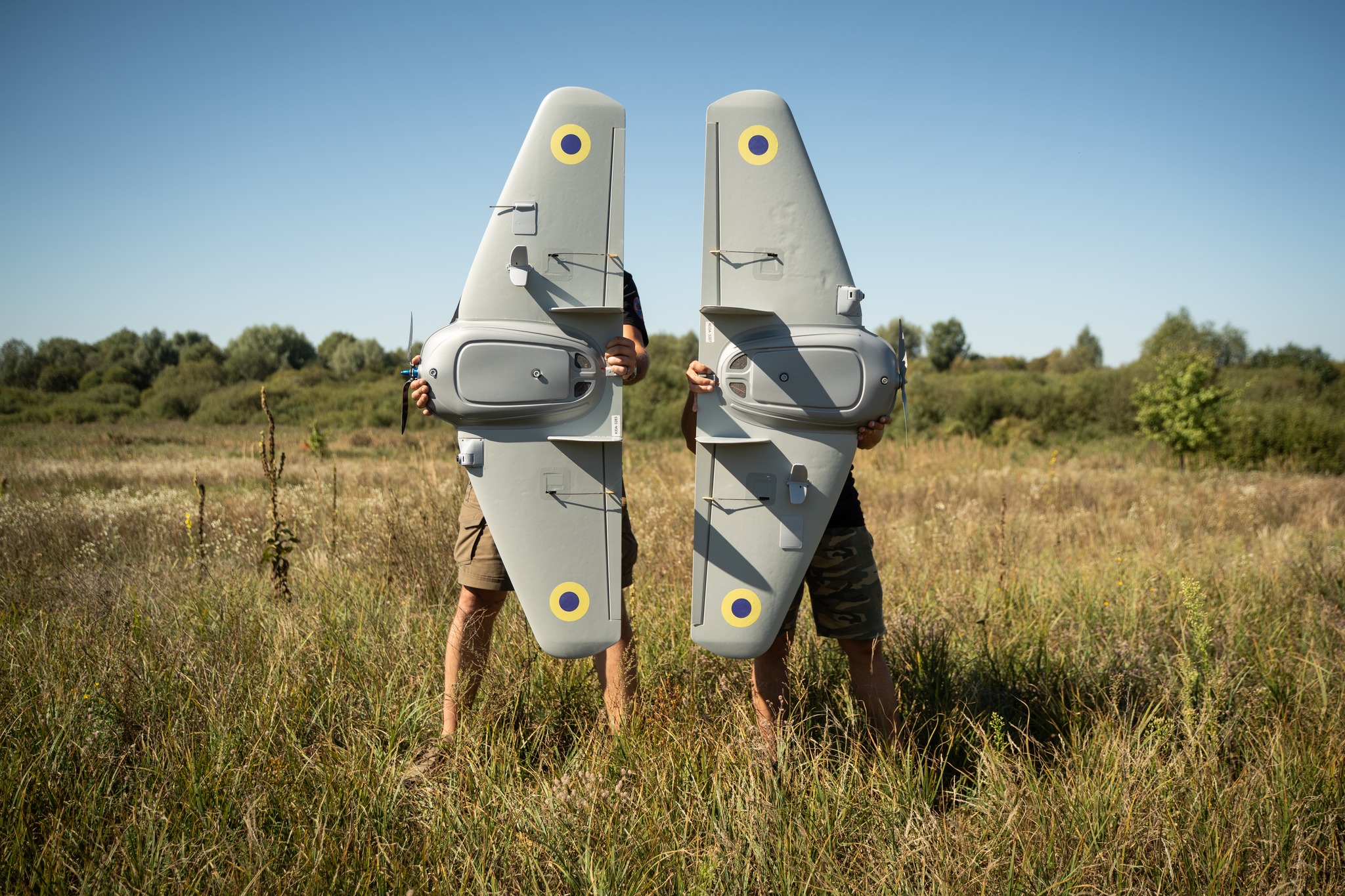
Brave1, launched in 2023 as a joint initiative between Ukraine’s Ministry of Defense and digital development agencies, acts as a central hub for defense technology startups and drone manufacturers. The cluster provides funding, technical support, and direct operational feedback from the military, enabling rapid prototyping and field adaptation.
The Ukrainian military has leaned heavily on innovation to offset material disadvantages in the ongoing war with Russia. Kamikaze drones — including both FPV (first-person view) and autonomous models — have become one of the most widely used and rapidly evolving technologies in the conflict.
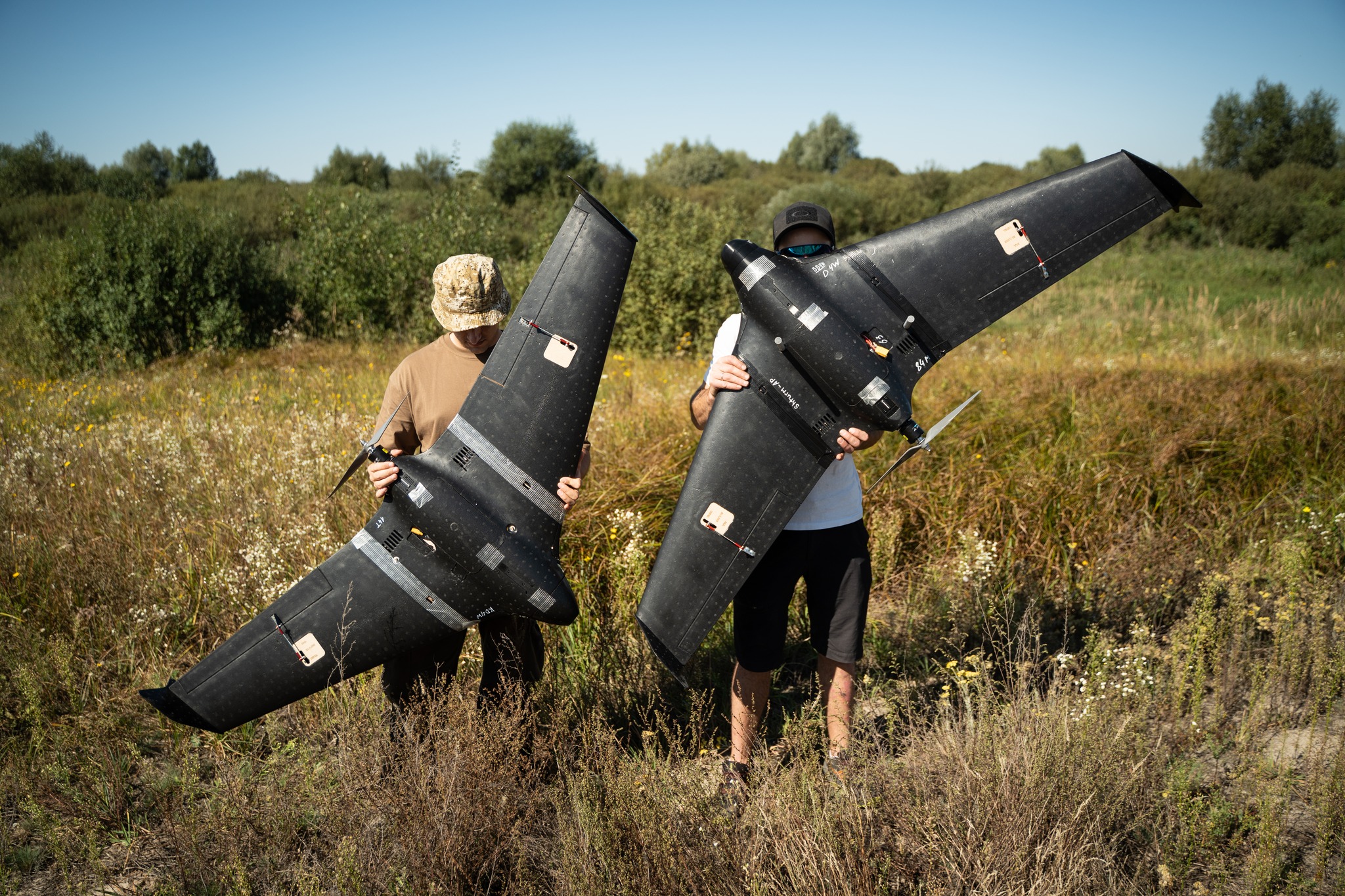
With large-scale use of electronic jamming by Russian forces, drone survivability and guidance remain critical challenges. By focusing on drones capable of operating beyond jamming range or navigating through interference, Brave1 and its partners aim to maintain the edge in unmanned systems.
Brave1’s emphasis on scalable solutions also reflects a push to expand domestic production capacity and reduce reliance on imported systems.
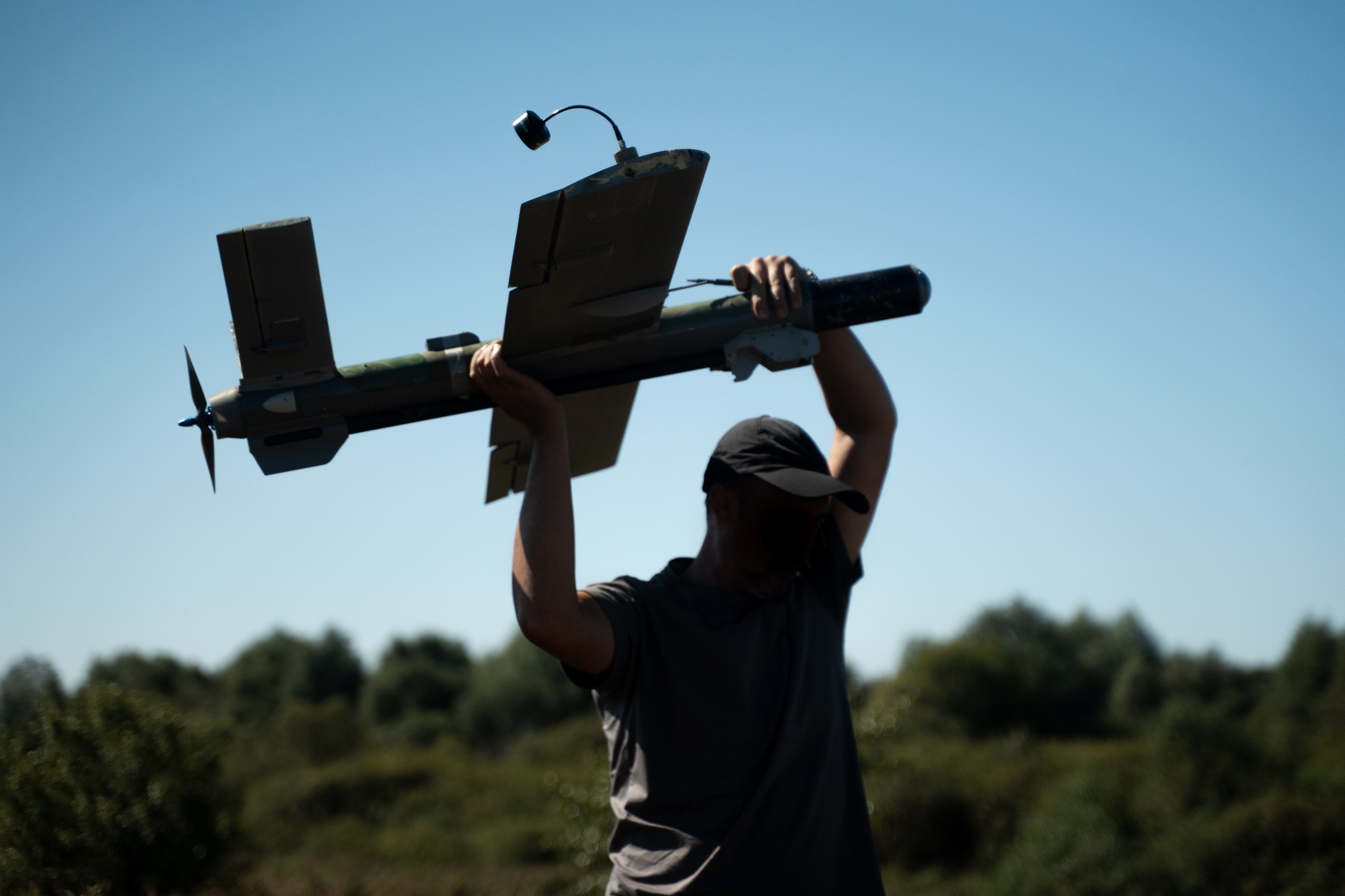
As Ukraine prepares for continued high-intensity combat operations through the fall and winter, the fielding of new long-range kamikaze drones may further complicate Russian efforts to secure rear-area logistics and command centers. Combat trials are expected to begin imminently.