

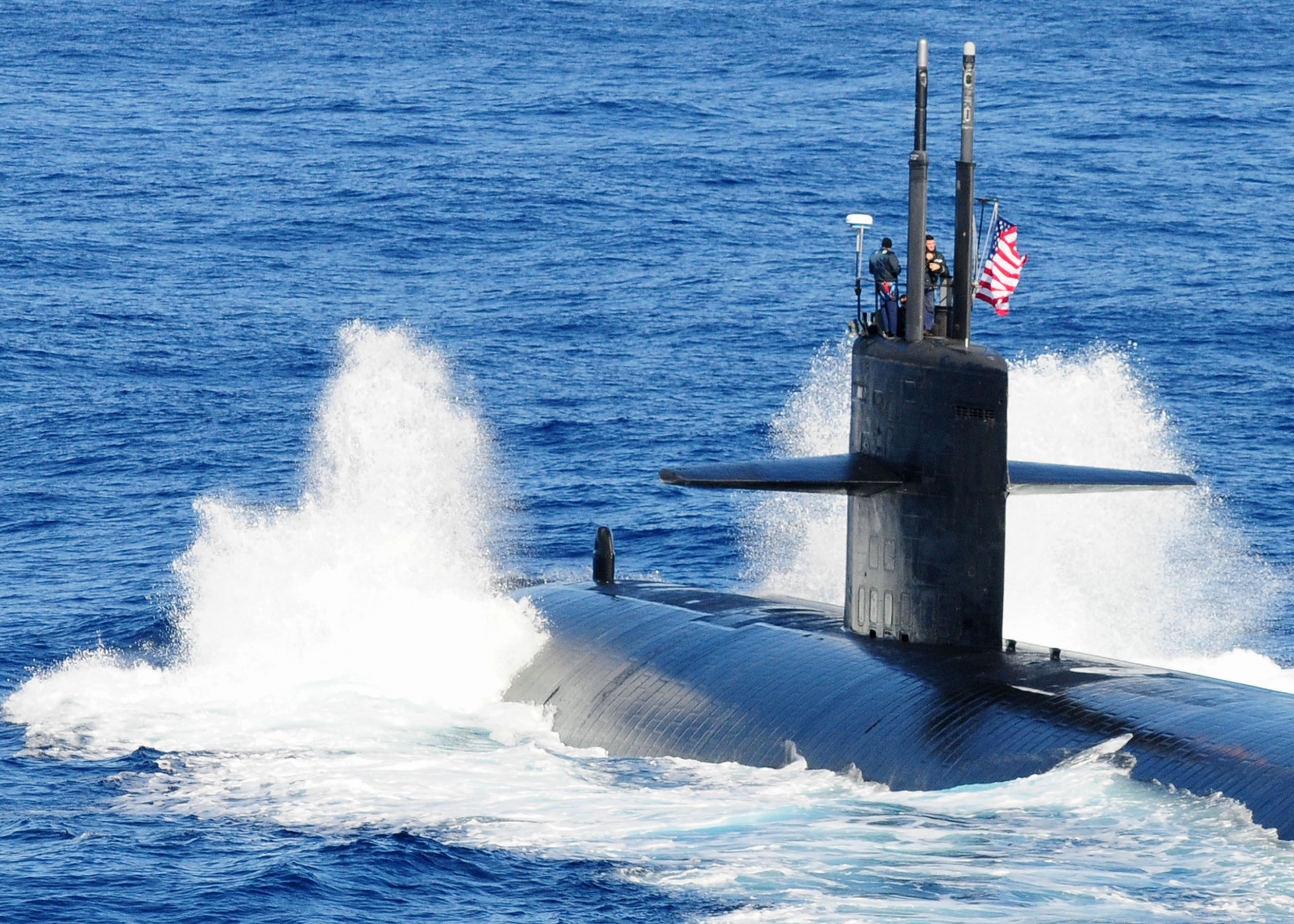
- The Navy awarded Orbis Sibro of Charleston a spot on a $1.12 billion IDIQ contract for nuclear attack submarine repair at four public shipyards through August 2030.
- The contract drew 29 competitive offers and could reach $1.9 billion if all options are exercised through August 2033.
The U.S. Navy has brought Orbis Sibro, Inc. into a massive multi-vendor maintenance contract worth up to $1.9 billion to keep its nuclear-powered attack submarines operational. The Charleston, South Carolina-based firm is one of several companies awarded spots on the deal, announced April 22, 2026, which targets repair, maintenance, and modernization work at all four of the Navy’s public shipyards. Naval Sea Systems Command ran the competition through the System for Award Management website — 29 companies threw their hats in the ring.
The base contract across all vendors sits at $1,123,590,000. If the Navy exercises all available options, the total bill climbs to $1,906,010,000. No money changes hands at award — funding flows as individual delivery orders are issued. The base period runs through August 2030, with options that could stretch the work all the way to August 2033.
The scope is broad by design. Contractors will handle discrete and non-discrete production work alongside other production services tied to scheduled Chief of Naval Operations maintenance availabilities — the mandatory downtime periods when submarines leave the fleet and head to the shipyard for deep maintenance that crews simply cannot do themselves. The contract mixes firm-fixed-price, cost-plus-fixed-fee, and cost-only payment structures depending on what the job actually demands.
The workload is split across the Navy’s four public yards. Norfolk Naval Shipyard in Virginia takes the biggest share at 35 percent. Puget Sound Naval Shipyard in Bremerton, Washington gets 25 percent. Portsmouth Naval Shipyard in Kittery, Maine and Pearl Harbor Naval Shipyard in Hawaii each handle 20 percent. Together, these four facilities are the only places in the country where nuclear-powered warships receive depot-level maintenance — the kind of deep, complex work that keeps submarines viable for decades of service.
That maintenance is no small undertaking. Virginia-class fast-attack submarines and the remaining Los Angeles-class boats in the fleet undergo scheduled overhauls that involve drydock work, structural inspections, reactor plant servicing, systems modernization, and component replacement — all under the strict safety and regulatory requirements that come with nuclear propulsion. The work demands contractors who know their way around a nuclear submarine, and the Navy doesn’t hand these contracts to just anyone.
Orbis Sibro fits that profile. The veteran-owned company has been in the Navy nuclear enterprise since 2000, building a 450-person workforce spread across more than 25 locations nationwide. The firm supports both the nuclear-powered submarine and aircraft carrier maintenance pipelines, working directly with NAVSEA and the broader Navy industrial base. Landing a spot on this contract is a natural extension of that track record — and a sign that the Navy wants proven hands on the work, not newcomers learning on the job.
The Navy’s attack submarine fleet has been grinding through a maintenance backlog that has cost the service years of operational availability. The Congressional Budget Office documented the problem bluntly: overhauls of attack submarines have routinely run 20 to 40 percent longer than planned over the past decade. The primary culprit is workforce shortages at the public yards — skilled nuclear shipyard workers take years to train, and the yards have never fully kept pace with demand. NAVSEA has acknowledged the shipyards themselves are part of the problem, originally built for conventionally powered ships and never properly reconfigured for the nuclear fleet they now maintain.
The multi-vendor pool structure addresses that directly. Pre-qualifying a large group of contractors — rather than awarding exclusive work to a single company — gives the Navy the flexibility to surge capacity fast when workload spikes without launching a new procurement every time. Vendors compete against each other for individual delivery orders, keeping prices in check while ensuring qualified performers are always on standby.