


The U.S. Army has initiated the deployment of counter-drone technologies on its armored platforms in response to the evolving threat posed by low-cost, first-person-view (FPV) unmanned aerial systems.
The move reflects a growing recognition within the Army’s leadership that these small, improvised strike drones represent a credible challenge on the modern battlefield.
According to the Army, a recent training event held at Fort Hood, Texas—Operation Return of the Condor—focused on active countermeasures against small unmanned aerial systems (sUAS), particularly in contested environments where ground forces operate in proximity to persistent aerial threats.
“Operation Return of the Condor served as a testing ground for drone detection and counter sUAS tactics by bringing together First Team Troopers and industry partners for experimentation and innovation,” the Army said in an official statement.
The exercises involved the integration of electronic warfare (EW) systems directly onto armored vehicles, allowing the platforms to detect and disrupt incoming drones independently. This development comes amid rising concerns over the effectiveness and availability of FPV drones, which have seen widespread use in recent conflicts due to their low cost, ease of deployment, and ability to deliver explosive payloads with high accuracy.
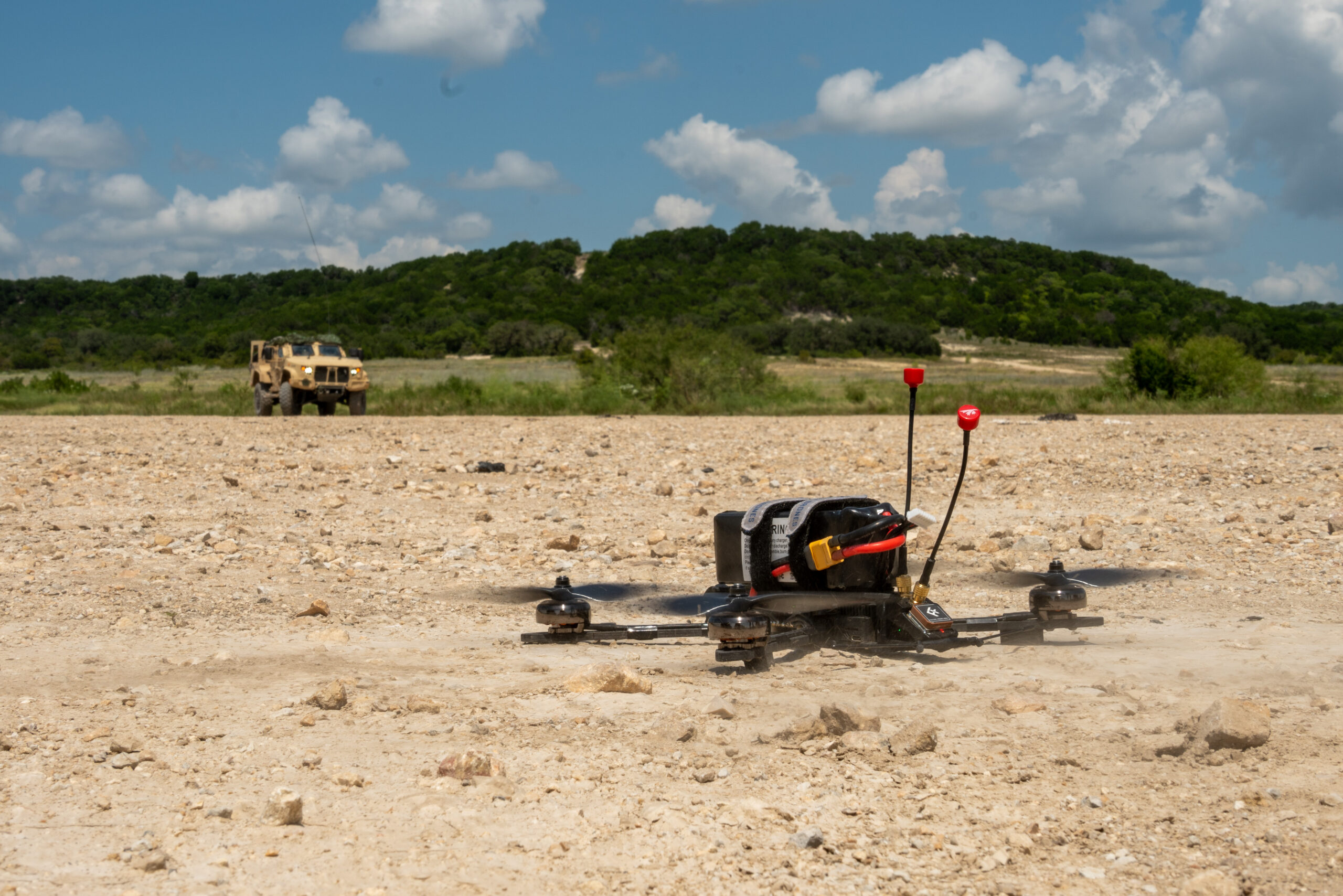
During the drills, U.S. personnel tested multisensor detection platforms capable of correlating radio frequency emissions, thermal signatures, and visual indicators to identify and track potential drone threats. These systems are designed to create a layered awareness picture, offering real-time data to vehicle crews and supporting electronic warfare teams.
One of the tested configurations included a DroneSentry system mounted on an FMTV truck. According to the Army, the platform was evaluated for its ability to act as both a detection and defeat mechanism—a single-source system capable of autonomously managing drone threats without external support.
The armored maneuvers conducted during the exercise were structured around an assumption of hostile drone presence, with each tactical element moving under electronic protection provided by supporting EW units. The Army described the event as an opportunity to validate and refine its defensive concepts in a realistic training scenario.
The growing adoption of FPV drones on global battlefields—including in Ukraine and the Middle East—has led multiple NATO countries to reassess their approach to counter-UAS technologies. These drones are often equipped with basic cameras, guided manually by operators in real time, and used in strike or reconnaissance roles against high-value ground targets.
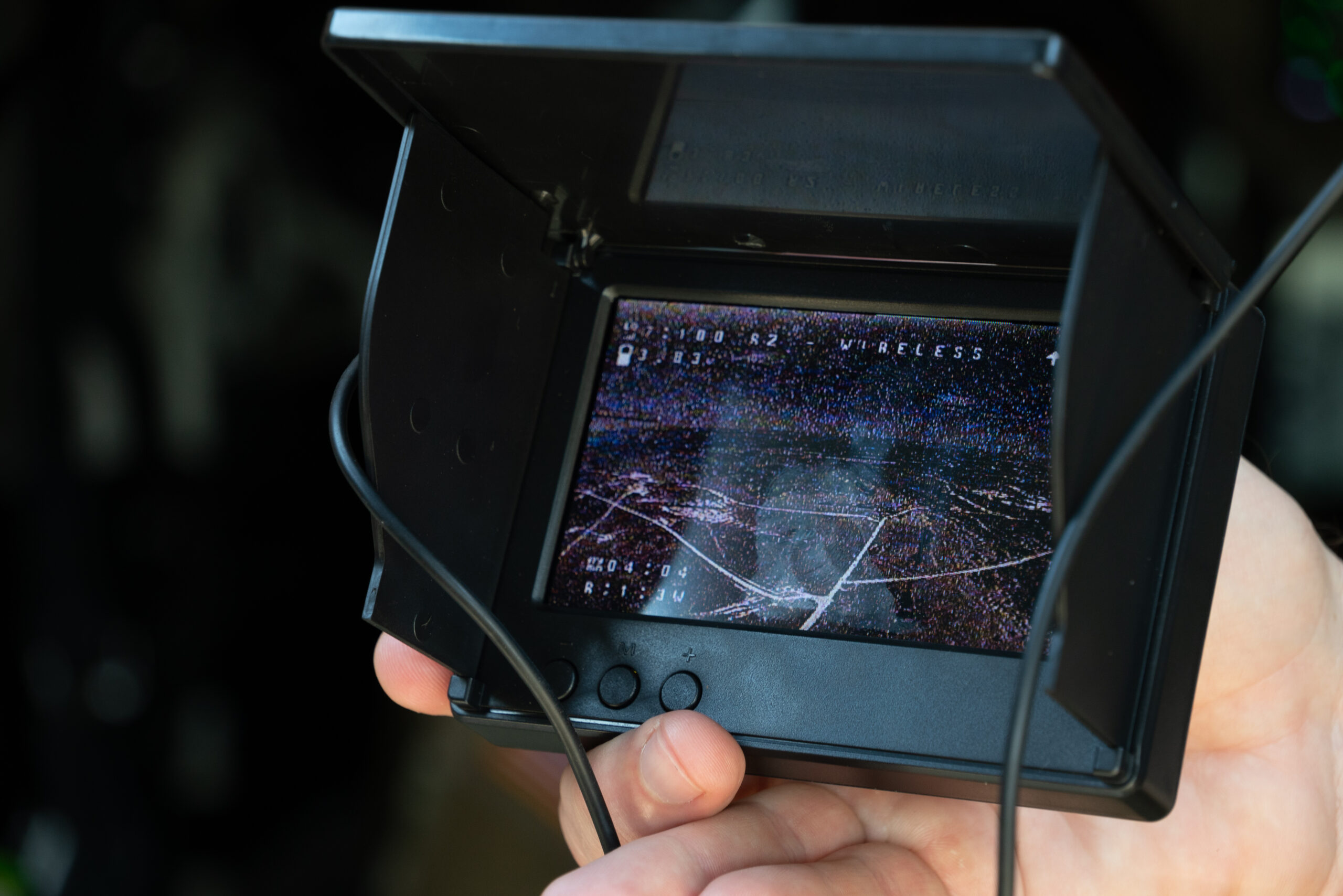
The U.S. Army’s approach appears to emphasize forward integration of countermeasures directly into maneuver units, rather than relying solely on rear-area defenses. According to the service, future deployments will likely include both vehicle-mounted and dismounted systems, with an emphasis on sensor fusion, automation, and rapid decision-making.
While Fort Hood served as the venue for the initial field tests, Army officials have not disclosed when the systems will be fully integrated across active units. However, the exercise highlights the Pentagon’s continued investment in adapting to new forms of aerial threats—especially those that can be produced at scale by adversaries with limited industrial capacity.
As adversaries adopt FPV platforms in greater numbers, U.S. defense planners are expected to increase funding for directed-energy systems, automated detection networks, and electronic disruption tools to preserve the survivability of frontline assets.