


U.S. Marine Corps Lt. Gen. Roger Turner and Japan Ground Self-Defense Force Lt. Gen. Seiji Toriumi appeared together on Tuesday before a powerful display of joint capabilities, underscoring the growing military cooperation between the United States and Japan amid evolving security challenges in the Indo-Pacific.
Standing shoulder to shoulder at Japan Ground Self-Defense Force Camp Ishigaki, the generals delivered remarks in front of an array of American and Japanese weapons systems: the U.S. Marine Air Defense Integrated System (MADIS), the Navy-Marine Expeditionary Ship Interdiction System (NMESIS), and Japan’s Type 12 Surface-to-Ship Missile and Type 03 Medium-Range Surface-to-Air Missile.
The joint appearance came as part of Resolute Dragon 25, an annual bilateral exercise that focuses on strengthening command and control, as well as multi-domain maneuver capabilities, between U.S. Marines assigned to the III Marine Expeditionary Force and Japanese Self-Defense Forces. This year’s iteration emphasized the defense of key maritime terrain, a growing concern in the Western Pacific region.
The U.S. systems on display — the NMESIS and MADIS — are fielded by the 3rd Marine Division. The NMESIS system, which utilizes the Naval Strike Missile, is designed to target enemy ships from land-based platforms, contributing to the U.S. military’s broader strategy of distributed maritime operations. The MADIS provides mobile, short-range air defense capability against unmanned aerial systems, rotary-wing aircraft, and cruise missiles.
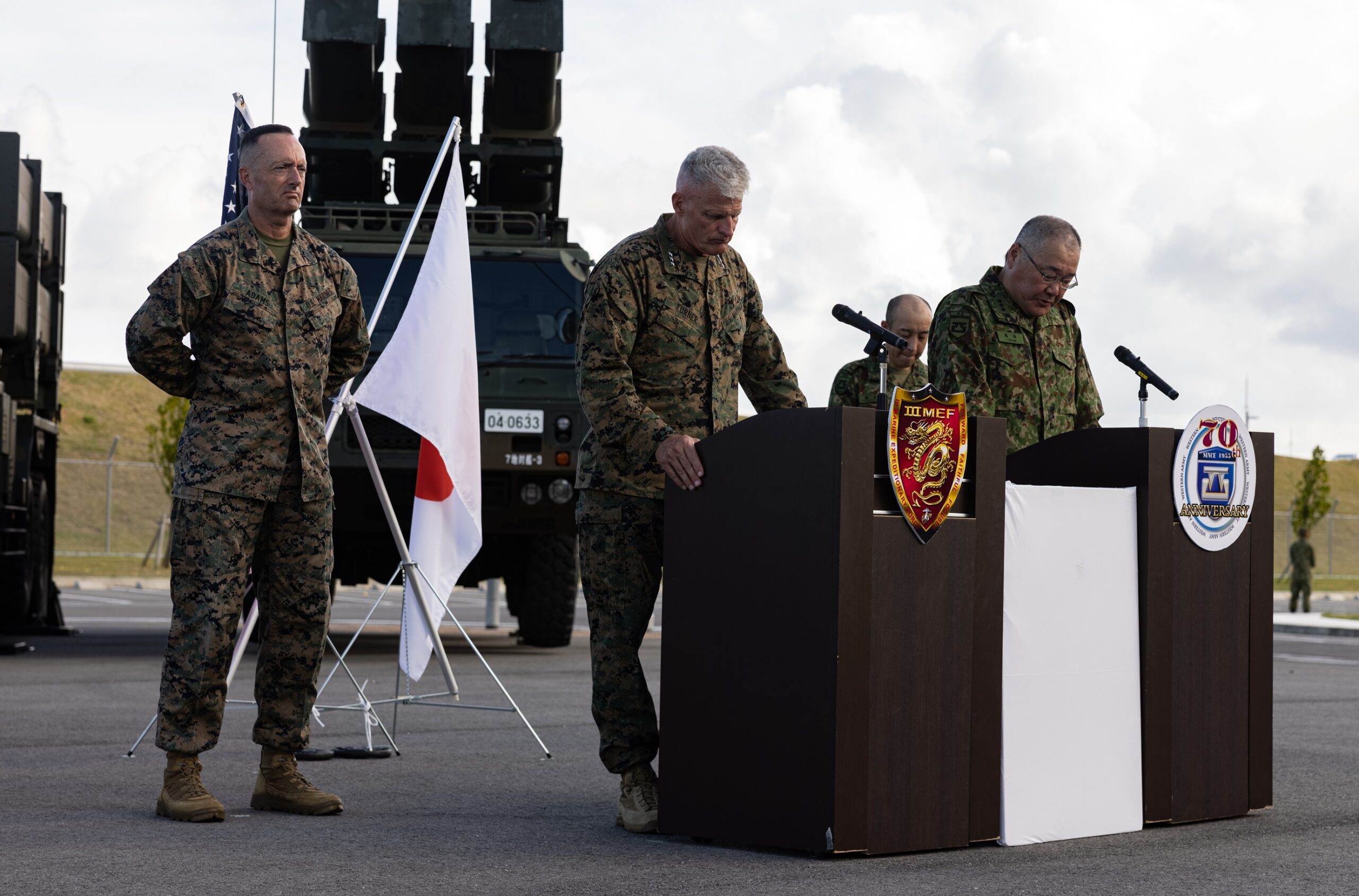
Japan’s Western Army contributed its Type 12 Surface-to-Ship Missile and Type 03 Medium-Range Surface-to-Air Missile systems to the event, showcasing the country’s commitment to strengthening integrated defense and deterrence in partnership with the United States.
In a joint press opportunity, Lt. Gen. Turner and Lt. Gen. Toriumi emphasized the value of close collaboration between their forces.
Resolute Dragon 25 comes amid growing regional tensions, particularly around Taiwan and the East China Sea. The exercise reflects both nations’ emphasis on strengthening their defensive posture in key terrain, including Japan’s southwestern islands, many of which lie within striking distance of strategic chokepoints.
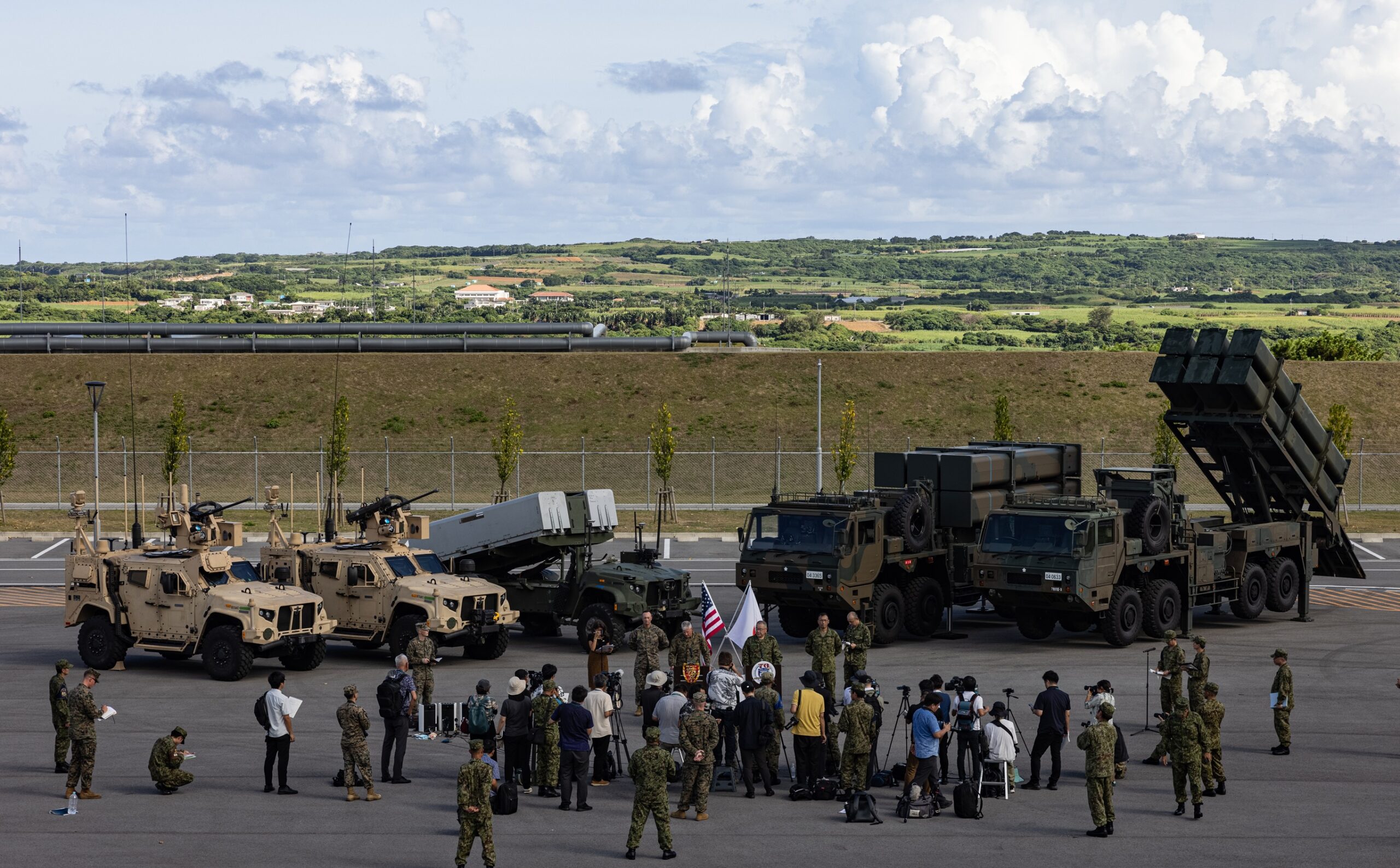
Throughout the training event, U.S. and Japanese units are executing coordinated operations across land, air, and sea domains — activities that officials say are essential to ensuring readiness for any contingency. The focus on interoperability between systems like NMESIS and the Type 12 SSM also highlights ongoing efforts to build a more integrated and resilient combined force structure.
As noted by U.S. officials, the ability to operate across multiple domains with allied forces enhances deterrence and supports regional stability.