

U.S. Air Force’s F-22 Raptor stealth fighters faces engine shortage

The F-22 Raptor, a critical component of the Global Strike Task Force, is designed to project air dominance, rapidly and at great distances and defeat threats attempting to deny access to U.S. nation’s Air Force, Army, Navy and Marine Corps.

For the past several years, the U.S. Air Force’s fleet of the F-22 Raptor stealth fighter jet is facing a shortage of Pratt & Whitney F119-PW-100 turbofan engines.

Air Combat Command head Gen. Mike Holmes during an event hosted by the Air Force Association’s Mitchell Institute for Aerospace Studies has confirmed that F-22 faces a shortage of engines.

- ADVERTISEMENT - CONTINUE READING BELOW -

“The aircraft has flown more than the service initially predicted which has resulted in a shortage of F-22 engines,” Holmes said.

Air Combat Command is also thinking of taking some less capable F-22s from the formal training unit and upgrading them for combat operations.
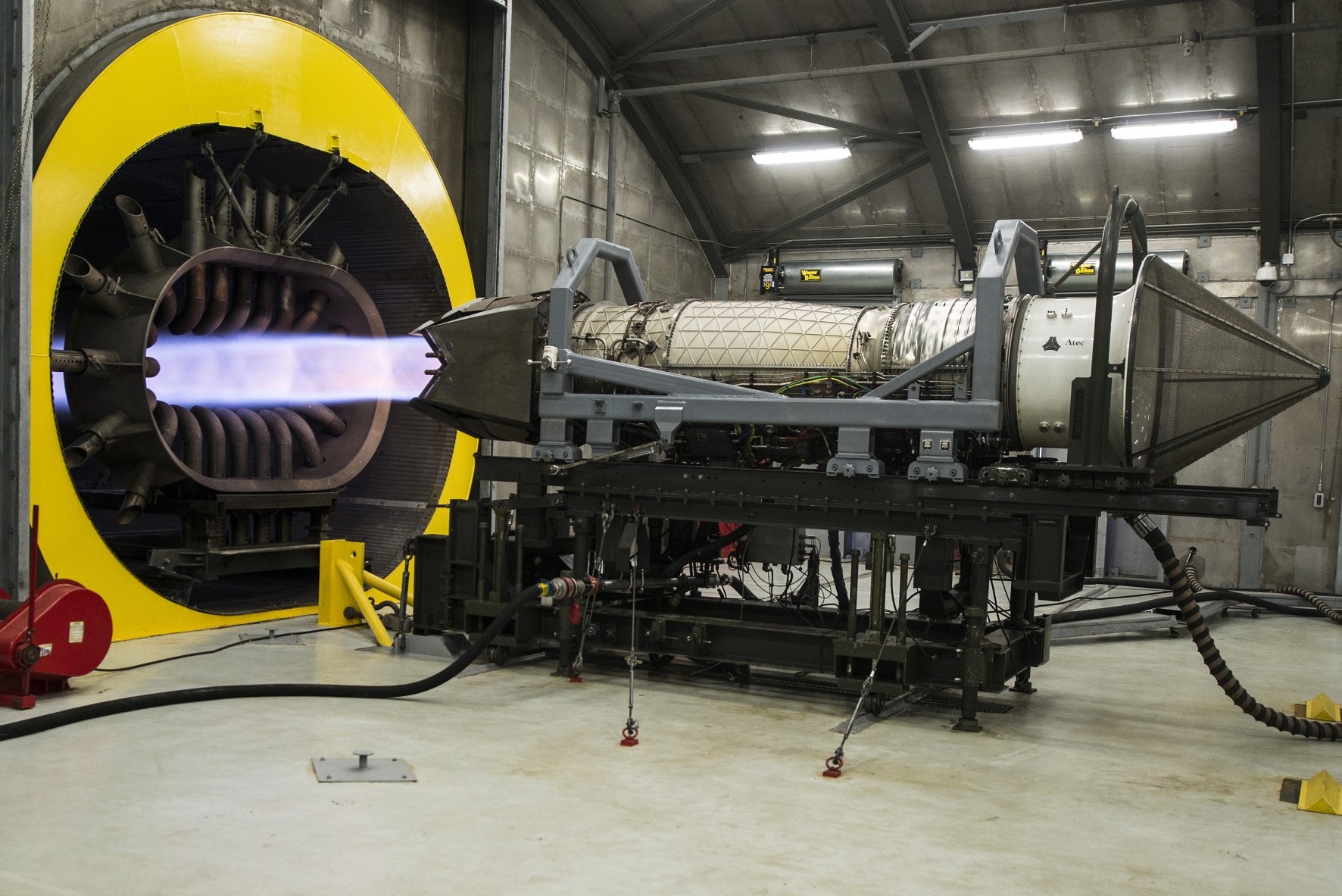
A Pratt and Whitney F119 engine performs an engine run at the 1st Maintenance Group propulsion flight Hush House at Langley Air Force Base, Va., July 22, 2015. Photo by Senior Airman Kayla Newman

The F-22 Raptor is powered by two Pratt and Whitney F119-100 engines. The F119-100 is a low bypass after-burning turbofan engine providing 156kN thrust.

The Pratt & Whitney’s website said the F119 engine delivers unparalleled aircraft maneuverability with its unique two-dimensional pitch vectoring exhaust nozzle. This convergent/divergent nozzle vectors thrust as much as 20 degrees up or down.

On December 15, 2005, the U.S. Air Force declared the F-22 Raptor combat-ready, having achieved Initial Operational Capability (IOC) status. This milestone signified the F119-powered F-22 completed its development testing and was prepared to fly and fight in defense of the United States of America and its global interests. Just two years later, on December 12, 2007, the U.S Air Force declared Full Operational Capability (FOC) for the F-22.

Readers who wish to follow our weekly coverage can subscribe to the Weekly Defense Roundup.

If you wish to report a grammatical or factual error in this article, please let us know by using the online form.

Executive Editor

Support The Defence Blog

Independent reporting takes resources. Join us on Patreon.

Become a patron

More Like This

U.S. Air Guard to buy motorized paragliders for silent infiltration flights

A North Carolina Air National Guard unit, part of the U.S. military's part-time reserve force, wants to give its people the ability to quietly...

U.S. Air Force scouts companies to build its next robot fighter jet

The U.S. Department of the Air Force published a market research notice this week seeking companies capable of designing, developing, prototyping, manufacturing and fielding...

Sikorsky’s unique rotor-blown drone completes first flight test

Sikorsky, the Lockheed Martin subsidiary best known for the Black Hawk helicopter, announced Wednesday at the Farnborough International Airshow that its Nomad 100 uncrewed...

Pentagon awards Rocket Lab $266 million for suborbital launches

The Pentagon's Space Systems Command awarded Rocket Lab USA a $266 million contract for suborbital launch services, according to a Department of War contract...

Pentagon calls on Johns Hopkins for its Sentinel missile program

Johns Hopkins University's Applied Physics Laboratory in Laurel, Maryland, won a contract worth $199 million to provide research and development engineering support for the...

Bell to rewire U.S. Marine Corps’ Viper and Venom fleet

U.S. Marine Corps attack and utility helicopters are heading into a major upgrade built specifically to carry the next generation of weapons, and the...