

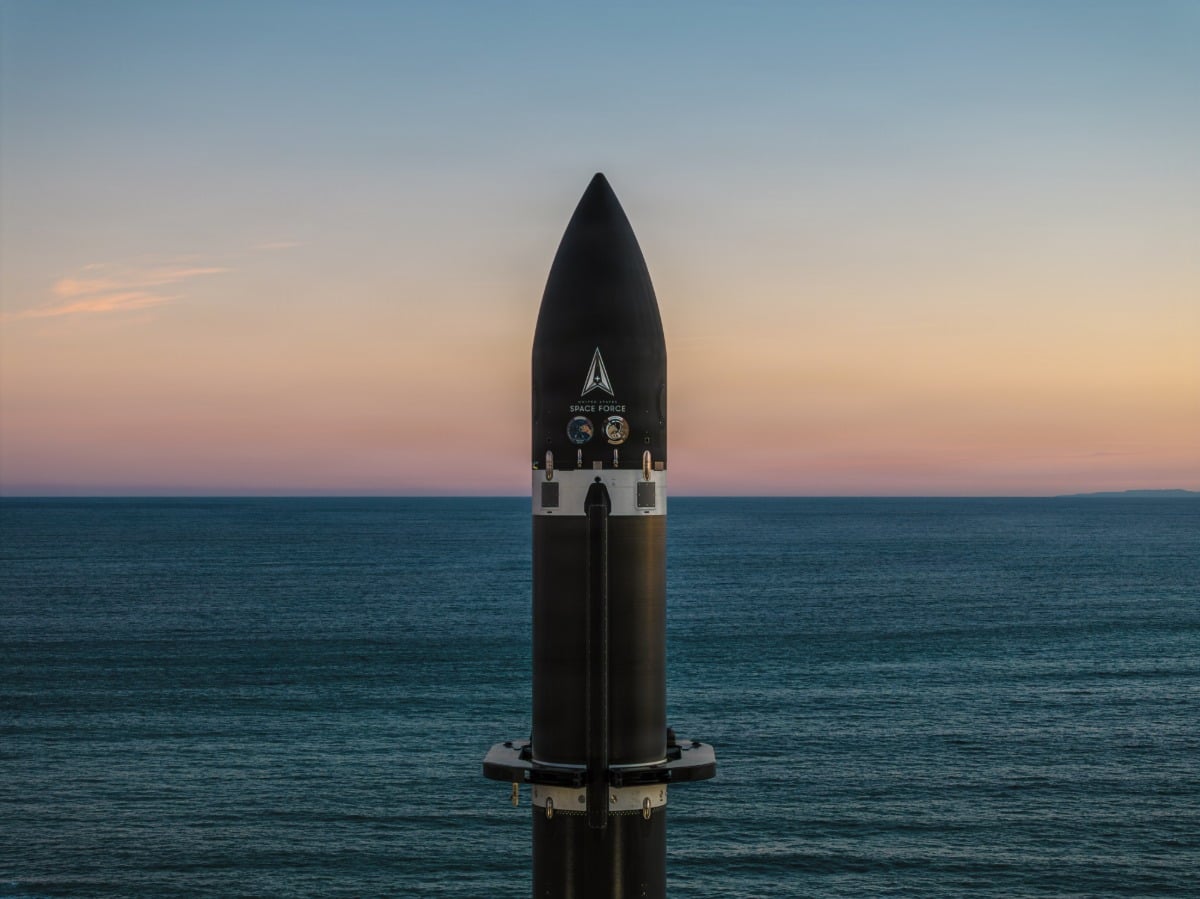
- The U.S. Space Systems Command awarded Rocket Lab a $266 million contract for 12 suborbital launches, with an option for six more, through Dec. 31, 2028.
- Launches will be conducted from the Pacific Spaceport Complex in Alaska, with $112 million in fiscal 2025 funding obligated at the time of award.
The Pentagon’s Space Systems Command awarded Rocket Lab USA a $266 million contract for suborbital launch services, according to a Department of War contract announcement, covering 12 confirmed launches with an option for six more, all to be conducted from the Pacific Spaceport Complex on Kodiak Island, Alaska, through the end of 2028.
The contract announcement itself is sparse, listing only the dollar figure, the launch count, the location and the contracting office, without naming the specific rocket involved or describing what payloads it will carry. But the type of work points clearly to Rocket Lab’s HASTE vehicle, short for Hypersonic Accelerator Suborbital Test Electron, a stripped-down, suborbital cousin of the company’s workhorse Electron rocket that the Department of War has used repeatedly since 2023 to test hypersonic weapons technology, meaning systems designed to fly faster than Mach 5, five times the speed of sound, while maneuvering unpredictably enough to dodge existing missile defenses.
HASTE swaps Electron’s upper stage for a modified kick stage built to release hypersonic test payloads mid-flight rather than push a satellite into orbit, and it can carry up to 700 kg (1,540 lb) of cargo, giving the Pentagon a way to test scramjet engines, heat-resistant materials, guidance systems and other hypersonic components without the cost of a full orbital-class rocket.
Every HASTE mission flown publicly to date, seven of them since the vehicle’s June 2023 debut, has launched from Rocket Lab’s Launch Complex 2 in Wallops Island, Virginia, supporting a Pentagon and Naval Surface Warfare Center program called the Multi-Service Advanced Capability Hypersonic Test Bed, which is designed to speed up how quickly the military can test new hypersonic technology. This new contract instead points to the Pacific Spaceport Complex in Alaska, a state-owned launch site on Kodiak Island that has quietly hosted secretive Department of War missile tests before, including a hypersonic weapons test in 2025 that local observers spotted lighting up the night sky without advance public notice. Moving suborbital hypersonic testing to Alaska gives the military a Pacific-facing launch corridor, useful for tracking a vehicle’s flight path over open ocean toward potential targets or splashdown zones in a way that Virginia’s Atlantic coast location doesn’t offer, though the Space Systems Command has not publicly detailed which specific hypersonic program this new contract will support.
The contract structure itself tells its own story about how seriously the Pentagon is now treating hypersonic testing as a sustained program rather than a series of one-off launches. It’s a firm-fixed-price completion contract, meaning Rocket Lab agreed to a set price for a defined scope of work rather than being reimbursed for costs as they’re incurred, a structure the government tends to favor when it has confidence a contractor can reliably deliver a well-understood service. The Air Force is obligating $112 million in fiscal year 2025 research, development, test and evaluation funding at the time of the award, with the remaining value tied to the optional additional launches, and the deal emerged from a competitive process in which three companies submitted offers before Rocket Lab won the work.
This award lands just days after the Space Force named Rocket Lab and SpaceX among seven companies awarded spots on the National Security Space Launch Phase 3 Lane 1 program, a separate initiative with a $17 billion ceiling for future national security launches, giving Rocket Lab back-to-back wins that reinforce its position as a serious alternative to SpaceX in government launch contracting. Investors reacted immediately. Rocket Lab shares jumped as much as 9% in after-hours trading following the announcement, extending a run of positive contract news even as the stock had fallen more than 50% from its 2026 highs earlier in the year amid delays to Neutron, the larger, reusable rocket Rocket Lab has been developing to compete more directly with SpaceX’s Falcon 9.