


- Russian analyst Viktor Murakhovsky said the Arena-M active protection system faces unresolved radar detection problems against small UAVs.
- The system’s radar struggles to identify and track mini and micro drones made from low-visibility materials, limiting its operational use.
A prominent Russian military analyst says Russia continues to face major technical obstacles in developing and fielding an effective active protection system (APS) for its armored vehicles, despite decades of effort and the growing use of drones on the battlefield.
In a detailed technical commentary, Russian defense expert Viktor Murakhovsky described ongoing difficulties with the Arena-M APS program, which has been repeatedly presented by state media and defense officials as a key solution to protecting tanks and infantry fighting vehicles from anti-tank weapons and loitering munitions.
The most recent stage of development aimed to expand the range of targets that the system can detect and defeat, including small UAVs and FPV-type strike drones. However, according to Murakhovsky, engineers encountered a fundamental problem in the system’s radar performance.
Murakhovsky noted that the radar struggles to detect and classify small, low-visibility targets, including mini and micro drones made from radio-transparent materials such as plastic. He wrote that on the current known level of Russian radar technology, such detection capabilities “have not been achieved.”
Arena-M was promoted as Russia’s answer to modern battlefield threats, particularly in light of the extensive use of drones in Ukraine, where FPV platforms are employed to destroy armored vehicles with high precision and at very low altitudes. The system was intended to automatically detect threats and neutralize them moments before impact.
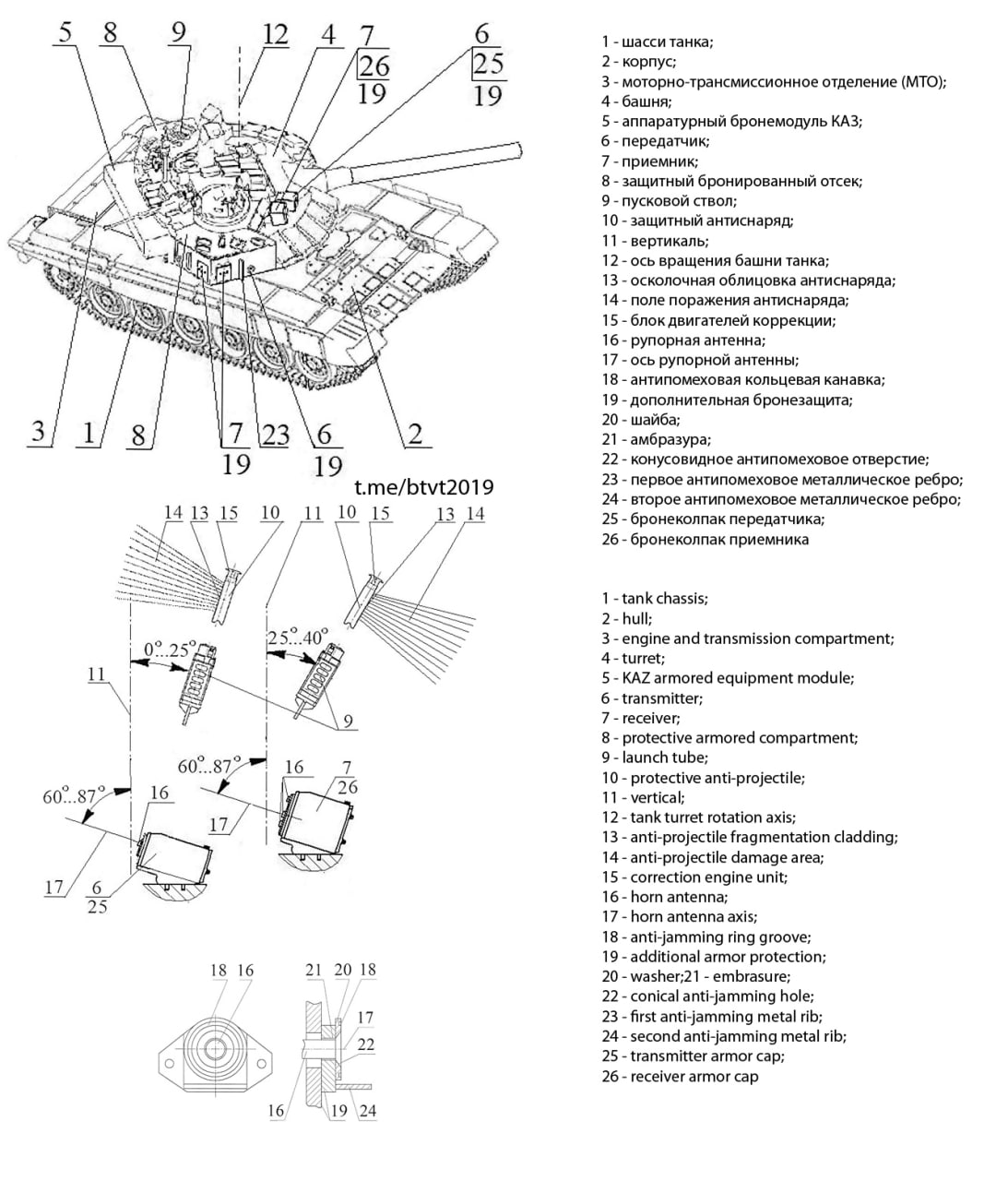
However, Murakhovsky stated that the radar’s inability to separate small airborne objects from ground clutter at short distances remains a critical limitation. The algorithms used for target detection, tracking, and prioritization, he said, are still not developed enough to handle drones that move unpredictably and at low speed.
According to Murakhovsky, methods traditionally used in air-defense radars — including Doppler detection and moving target indication — are ineffective against UAVs with a very small radar cross-section and low velocity, particularly when they operate close to terrain features or at very low altitude.
He wrote that the necessary algorithmic solutions “have not yet been created.”
Arena-M and its earlier variants have been under development in different forms since the late Soviet period. While Russia has showcased the system repeatedly and announced plans for large-scale deployment, serial integration into frontline units has not taken place.
On the battlefield, Russian forces have instead relied heavily on improvised physical screens, welded cage structures, and field-made counter-drone armor to reduce drone impact damage. These adaptations highlight the gap between industrial capability and operational demand.
Murakhovsky’s assessment suggests that the Russian defense industry faces increasing pressure as drone warfare accelerates. Modern combat now requires rapid, automated active defenses, not just heavier armor. If these gaps persist, armored units may continue experiencing high attrition in environments where cheap drones can reliably strike vehicles from multiple angles.
Murakhovsky’s commentary indicates that while work on Arena-M continues, core radar detection and software challenges remain unresolved, delaying widespread deployment of an APS system that Russia has promoted for years.