

- The Trump administration has identified military targets in Venezuela linked to alleged drug trafficking operations, including ports, airstrips, and naval bases, WSJ reported.
- U.S. Air Force B-1B bombers and Navy vessels have conducted operations near Venezuela, with the USS Gravely docking in Trinidad and Tobago.
The Trump administration has identified a series of potential military targets in Venezuela, including ports, airstrips, and naval bases allegedly tied to drug trafficking operations, The Wall Street Journal reported on Wednesday, citing U.S. officials familiar with the matter.
According to the report, the administration has been considering options for limited strikes aimed at degrading what it describes as a narcotics network linked to the government of President Nicolás Maduro. The targets under review include facilities thought to be used for transnational trafficking of narcotics into the United States.
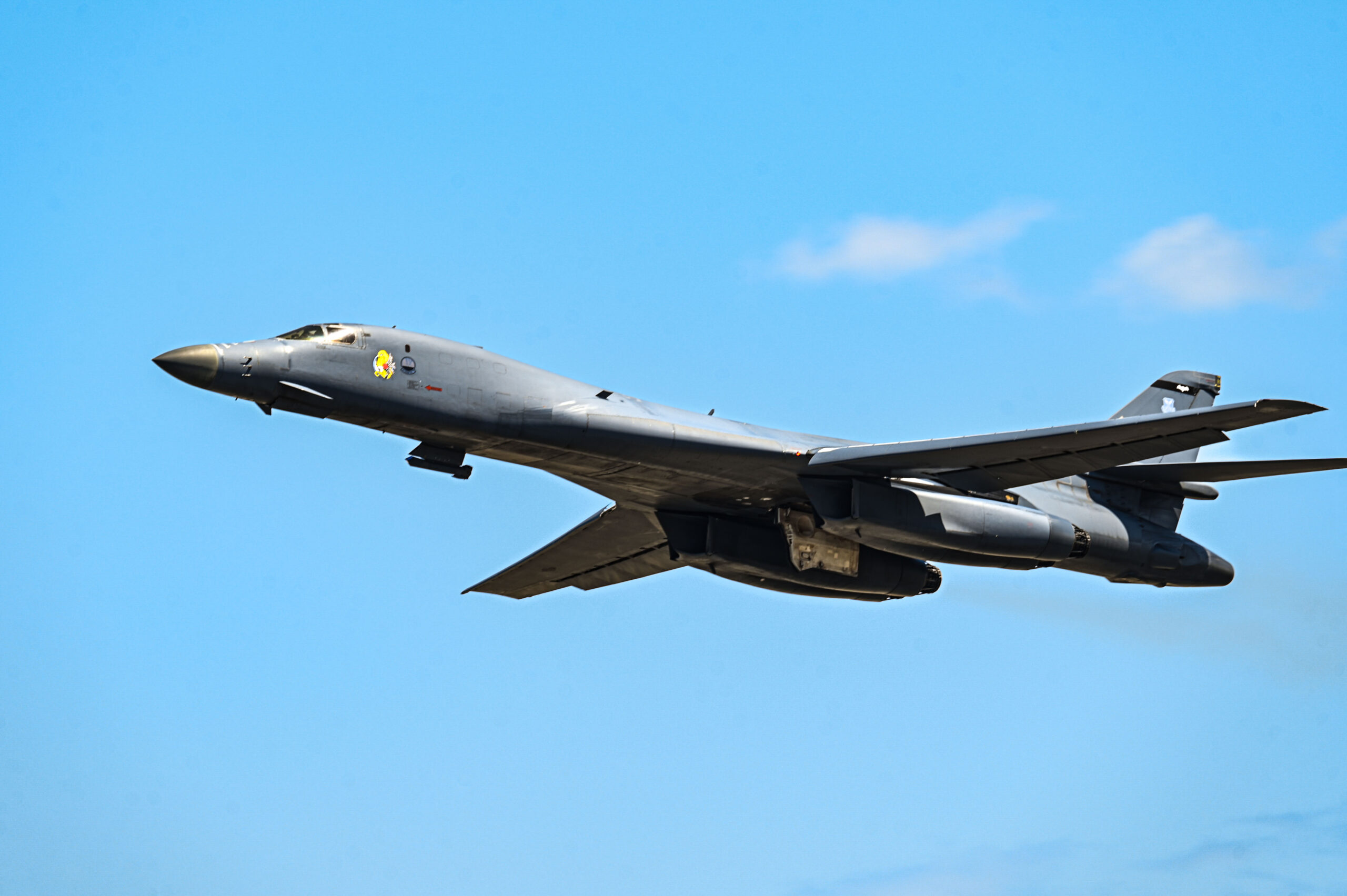
The initiative comes amid heightened tensions in the region, as the U.S. Navy and Air Force intensify operations near Venezuela. A pair of U.S. Air Force B-1B Lancer bombers flew within 50 kilometers of Venezuela’s northern coast near Caracas earlier this week, marking the closest fly-by since military activity began increasing in recent months.
In a parallel show of force, the guided-missile destroyer USS Gravely arrived in Port of Spain, Trinidad and Tobago, while the aircraft carrier USS Gerald R. Ford continues to maneuver closer to the Venezuelan coast. Maduro, responding to the deployment, called the movement of U.S. naval assets an attempt to fabricate “a new eternal war” against his country.
“Trump and his senior aides have been particularly focused on unsettling Maduro,” The Wall Street Journal wrote, adding that the administration has linked Venezuela’s leadership to narcotics flows into the U.S.
U.S. officials have not confirmed any final decisions regarding military action but emphasized that operational planning continues.
The campaign is also being waged through diplomatic and information channels. Washington has intensified messaging that portrays Maduro as a key actor in a narco-state that is contributing to the flow of cocaine and synthetic drugs into the U.S. homeland. Maduro denies the allegations, calling them politically motivated.
In a development likely to complicate regional dynamics, a Russian Ilyushin Il-76TD military transport aircraft landed in Venezuela this week, having flown from Russia through Armenia, Algeria, Morocco, Senegal, and Mauritania. According to open-source flight tracking, the aircraft was operated by Aviacon Zitotrans, a Russian cargo airline sanctioned by the U.S. since January 2023 for its role in transporting supplies for the Wagner Group and other entities tied to the Russian defense industry.

The aircraft is believed to have delivered military equipment and foreign contractors from Russia and China, a move seen by U.S. defense officials as deepening Venezuela’s reliance on non-Western military support.
The presence of Russian contractors and the movement of Chinese personnel into the country raise the stakes for any potential U.S. action. Analysts warn that even a limited strike aimed at disabling airfields or seizing drug assets could trigger a broader confrontation with Moscow and Beijing, both of which have vested interests in the Maduro government.
The convergence of U.S. military pressure, Venezuelan-Russian cooperation, and growing regional instability could place American forces in direct competition with foreign powers at the edge of South America. For the U.S., this raises concerns about potential escalation, supply chain disruption, and a renewed front of strategic rivalry in the Western Hemisphere.