


U.S. weapons maker Northrop Grumman Corp has been awarded the role of design agent for the U.S. NAVY’s AN/SPQ-9B surface search and fire control radar.
As design agent, Northrop Grumman provides support to existing and future systems, troubleshoots issues, performs redesign efforts as parts go obsolete and adds new capabilities to the baseline system. This follow-on engineering services contract will continue to support the installed base of 50 AN/SPQ-9B radar systems on ships and at six land sites, as well as future systems as they are delivered to the fleet. It will provide the Navy with uninterrupted technical assistance in their system installations, upgrades and follow-on production efforts.
“We are honored to continue our support of more than two decades to the fleet,” said Todd Leavitt, vice president, maritime systems, Northrop Grumman. “By leveraging our expertise and partnership with the U.S. Navy, we have developed radar systems that increasingly support complex missions. We are committed to maximizing the design and engineering of this technology and enhancing capability that will extend to the Navy’s next generation radars.”
This engineering services contract continues Northrop Grumman’s leadership in hardware and software development for the anti-cruise missile defense mission for the fleet. The system provides fire-control quality track data in stressing, high-clutter environments to protect high-value surface combatants.
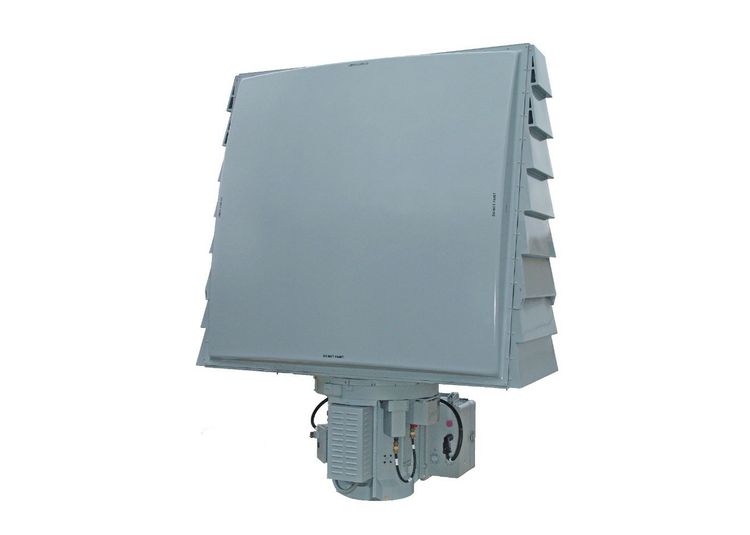
According to the Military.com, the AN/SPQ-9B is an X-Band, pulse Doppler, frequency agile radar which was designed specifically for the littoral environment. It has a very high clutter improvement factor supporting a very low false track rate in the littorals and in high clutter environments.
The AN/SPQ-9B scans out to the horizon and performs simultaneous and automatic air and surface target detection and tracking of low flying Anti-Ship Cruise Missiles (ASCMs), surface threats, and low/slow flying aircraft, UAVs and helicopters.
The radar is installed on CVN-68, LPD-17, CG-47, WMSL-750, LHD-1, and LHA-6 ship classes. The radar is also to be installed on DDG-51 class and three Royal Australian Navy Air Warfare Destroyers.