

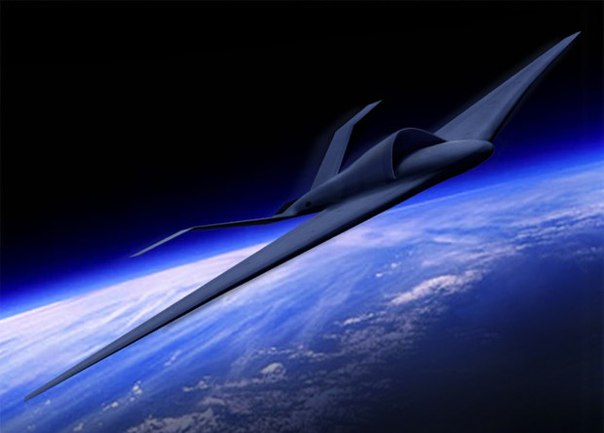
Lockheed Martin Skunk Works’ proposal for a next-generation, optionally-manned U-2 surveillance aircraft has morphed into more of a tactical reconnaissance aircraft dubbed “TR-X”.
The designation is both a throwback to the U-2’s TR-1 designation in the 1980s but also symbolises a change in thinking that could drive the design to be more of an affordable peace and wartime intelligence, surveillance and reconnaissance (ISR) workhorse than a strategic, penetrating platform – like the supersonic Lockheed SR-71 Blackbird.
The company released a notional artist’s impression of the high-flying TR-X aircraft at an Air Force Association conference in Washington 14 September, despite being a long way off deciding the aircraft’s mission and performance specifications.
The company has previously called the next-generation concept the UQ-2 and RQ-X, but U-2 business development manager Scott Winstead says the designation change comes after a tactical discussion where TR-X was deemed to more closely reflect aircraft’s role.
“TR for tactical reconnaissance, and that’s really what we’re driving here: a tactical reconnaissance platform,” he says. “It’s designed to be a cheaper platform, so you’re not going to get into the exquisite stuff unless that’s something that you need to do. If it’s something that’s going to be a workhorse with the latest in technology and platform design, you’re more talking tactical reconnaissance rather than strategic reconnaissance.”
Winstead imagines a fleet of about 25 to 30 aircraft depending on the endurance requirement, which is how force planners calculate how many aircraft are needed to maintain a single 24h orbit over a target.
There are 17 operational U-2s and 21 Global Hawks meeting the US government’s global high-altitude ISR needs. It takes five manned U-2s or three Global Hawks to maintain one 24h orbit.
Winstead says the Global Hawk probably has more endurance than it needs, since it can stay aloft for 34h but normally flies 19h-missions.
“If you want a 20h to 22h aircraft we’re able to keep the size down,” he says. “That’s where we think is going to be the sweet spot in tactical reconnaissance, and so that’s going to drive our numbers.”
Lockheed’s says its next-generation U-2 proposal is aimed squarely at the air force, and is not currently being considered for the Central Intelligence Agency or any other US government agency.
The service has been trying for years to retire either the U-2 or Global Hawk to cut costs, but a competition for a next-generation ISR platform is seen as the third option.
TR-X could be ready for service in the 2025 time frame, Lockheed says, and if the concept resonates with the service it will be pitched as an unsolicited proposal, just as famed Skunk Works aircraft designer Kelly Johnson did with the original U-2 in the 1950s.
“It’s got to resonate first. The design has got to sell itself,” Winstead says.
Based on the company’s understanding of the mission, the concept is for a low-observable aircraft optimised to fly at 70,000ft with the same General Electric F118 engine that powers the U-2 today.
It would comply with USAF Open Mission System standards and have increased power and cooling to accommodate new sensors, communication equipment and electronic warfare suites, and perhaps even offensive or defensive laser weapons.