


Russia has begun using a new jet-powered variant of the Iranian-designed Shahed drone in large-scale attacks against Ukraine, including a wave of strikes targeting the capital, Kyiv.
According to the Ukrainian defense outlet Militarnyi, the drone—identified as the Shahed-238 and rebranded by Russia as the “Geran-3”—was employed during combined missile and UAV attacks on the nights of July 30 and 31.
This is the first confirmed massive operational use of the Shahed-238 variant in combat. The drones were launched as part of a coordinated assault, with Ukrainian air defenses engaged across multiple regions.
In a statement, the spokesperson for Ukraine’s Air Force, Yuriy Ihnat, said the Geran-3 presents new challenges due to its high speed and flight profile.
“Faktually, it appears on radar like a cruise missile based on its flight parameters,” Ihnat explained. “Its speed can exceed 500 kilometers per hour, which means not all of the systems we currently use are capable of intercepting such targets.”
The Shahed-238 differs from its predecessor, the propeller-driven Shahed-136 (known in Russia as Geran-2), in several key aspects. Russian sources claim the new drone is equipped with a jet engine, enabling it to fly faster and at higher altitudes. According to published data from Russian propagandist sources, the Geran-3 has a wingspan of approximately three meters, a fuselage length of 3.5 meters, and a maximum flight ceiling of 9.1 kilometers. The reported endurance is up to two hours, with a takeoff weight of 380 kilograms—considerably heavier than the estimated 250 kilograms of the earlier Geran-2.
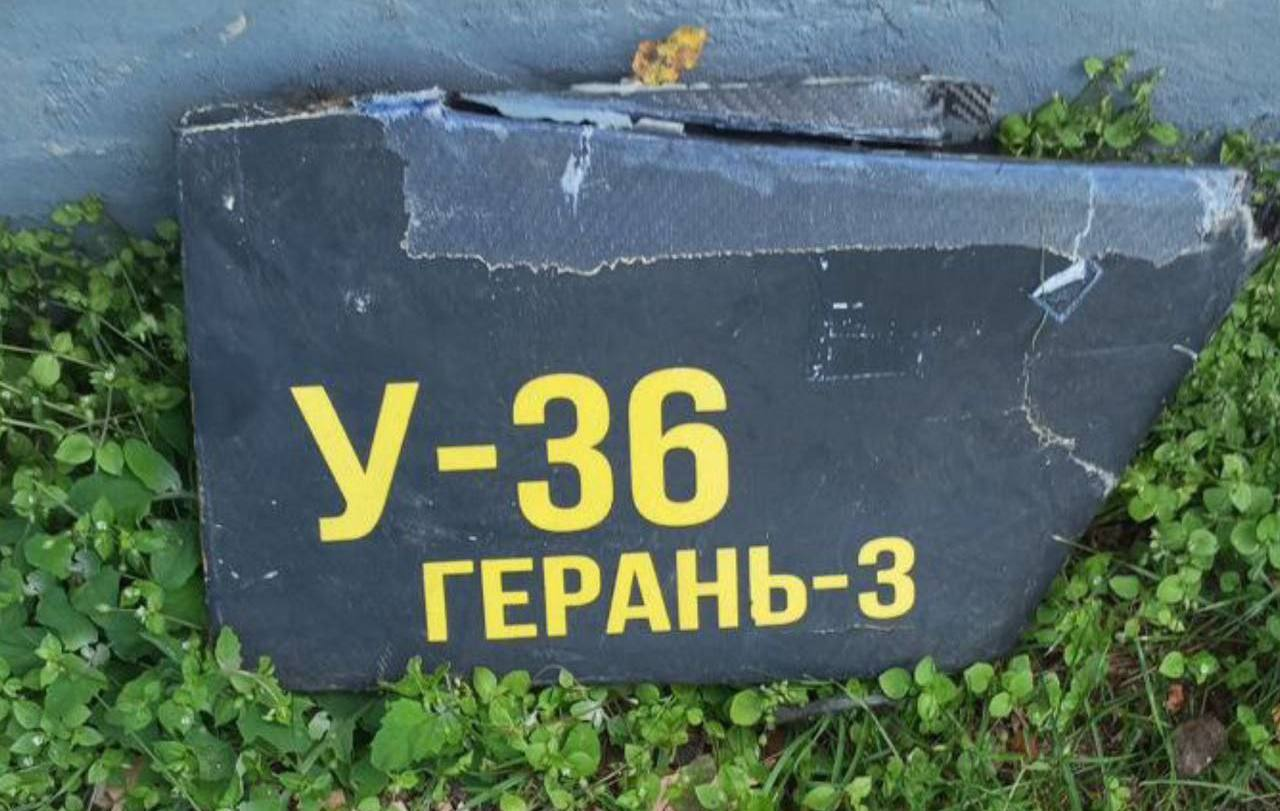
The first known reference to this drone variant appeared in February 2025, though its existence had been speculated in earlier months. In late June, Ukrainian forces recovered debris from a Geran-3 drone bearing the serial number U-36. This find, analysts say, points to at least limited serial production of the platform inside Russia.
Unlike earlier Shahed models, which produce a distinctive engine hum, the Geran-3 emits a sound more consistent with jet propulsion, complicating early detection and acoustic identification.
“The sound is notably different,” Ihnat said. “It’s characteristic of a reactive UAV, not a propeller one.”
Russia’s evolving drone tactics suggest an effort to overwhelm Ukraine’s layered air defense network by introducing targets that blur the line between unmanned aerial vehicles and low-flying cruise missiles. These faster drones reduce the reaction window for defenders and place additional strain on missile reserves and radar operators.
Since first employing the Shahed-136 in late 2022, Russian forces have relied on loitering munitions to strike Ukrainian infrastructure, military facilities, and population centers. The appearance of a jet-powered version reflects a technical progression, even as Russia continues to adapt imported and domestically assembled technologies for its long-range strike capabilities.
Ukrainian defense observers note that while the Geran-3 does not radically alter the strategic balance, its speed and radar profile may make it more difficult to intercept, particularly in swarms or when used in conjunction with cruise missile barrages.