


Japan’s Ground Self-Defense Force (JGSDF) has begun testing two foreign-made unmanned ground vehicles (UGVs) as part of its effort to enhance unmanned defense capabilities under its ongoing initiative for the “Fundamental Reinforcement of Japan’s Defense Capabilities.”
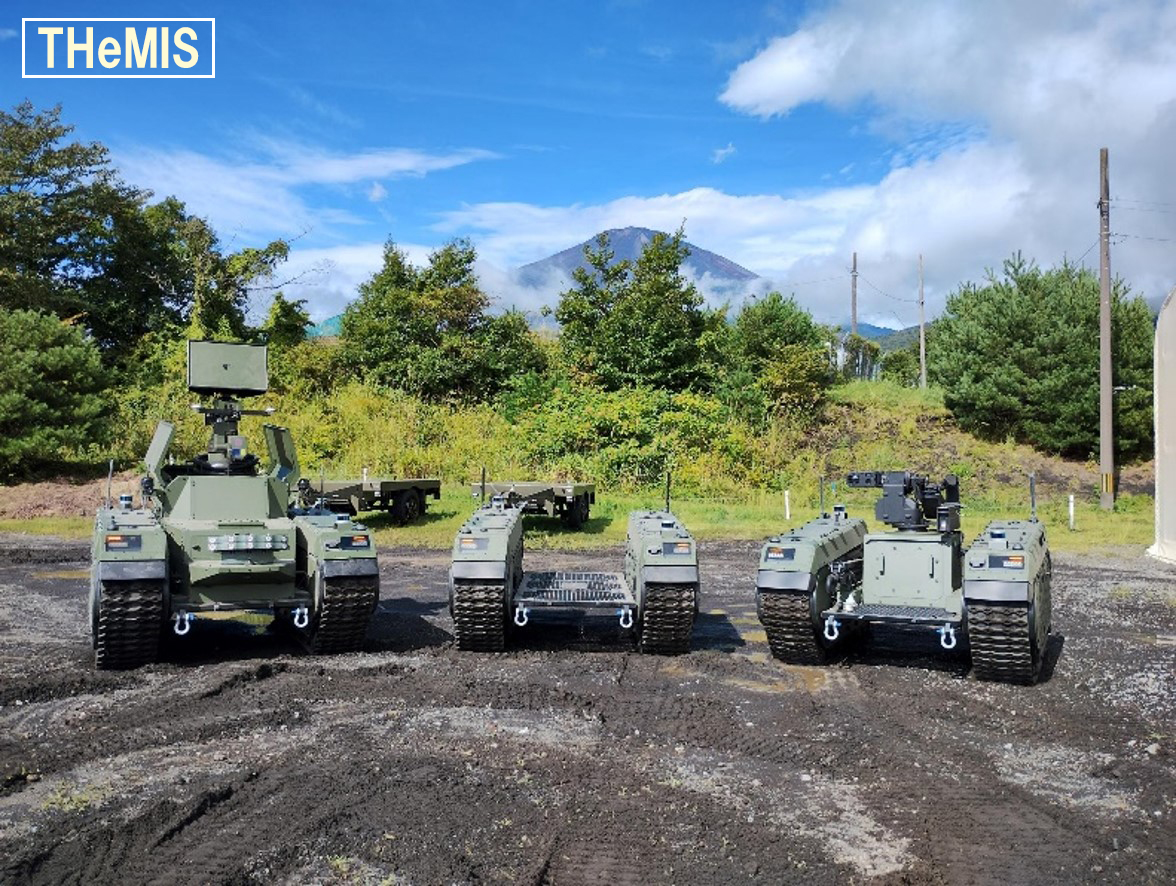
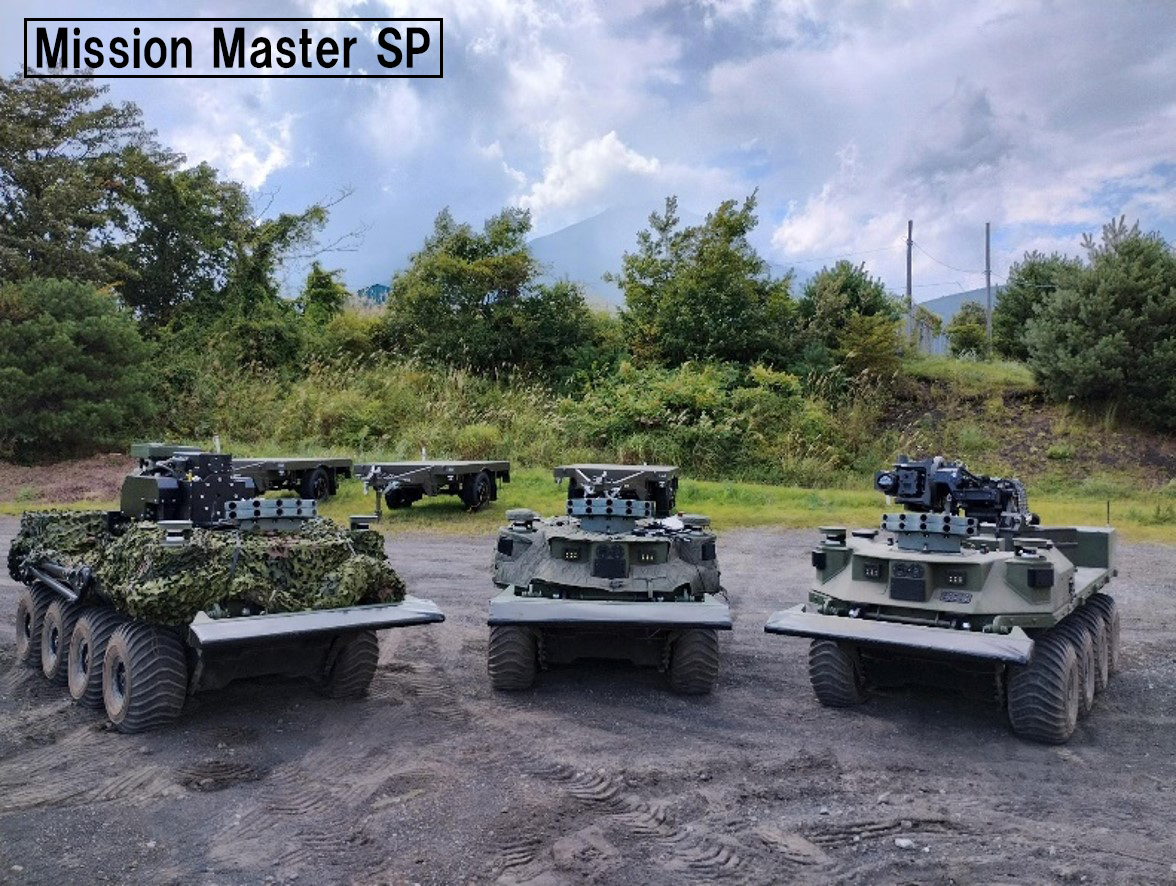
According to an official post published by the JGSDF on October 3, 2025, the service is currently evaluating the basic performance and operational procedures of the THeMIS UGV, developed by Estonia’s Milrem Robotics, and the Mission Master SP, developed by Rheinmetall Canada.
In the post, the JGSDF stated: “JGSDF is currently evaluating the basic performance and operational procedures of small-sized UGVs ‘THeMIS’ developed by an Estonian company ‘Milrem Robotics’ and ‘Mission Master SP’ developed by a Canadian company ‘Rheinmetall Canada’.”
The post added that Japan is working to strengthen its unmanned assets to enable long-duration operations while minimizing risks to personnel.
“JGSDF has been strengthening its unmanned capabilities including UGVs, which would enable sustained operations while minimizing risks to personnel by accelerating evaluation for full-scale introduction, as part of ‘Fundamental Reinforcement of Japan’s Defense Capabilities’.”
The introduction of the THeMIS and Mission Master SP platforms represents a major step in Japan’s strategy to expand its robotic and unmanned systems portfolio. Both vehicles have been combat-tested in NATO member states and are designed for roles such as reconnaissance, logistics support, and casualty evacuation.
The THeMIS (Tracked Hybrid Modular Infantry System) is known for its modular design, allowing it to carry a wide range of payloads — from weapon stations to cargo or sensors — and can be remotely operated or work semi-autonomously.
The Mission Master SP, part of Rheinmetall’s UGV family, is a wheeled unmanned platform capable of performing tactical support missions with payload options including surveillance systems, transport modules, or weapon mounts.
Japan’s defense establishment has prioritized unmanned technologies across multiple domains — land, air, and maritime — to address demographic challenges, personnel shortages, and the need for sustained defense operations. The testing of foreign UGVs allows Japan to benchmark international technologies before advancing domestic development programs or procurement decisions.
The evaluation phase will verify operational parameters such as mobility, endurance, payload flexibility, and control system integration under local terrain and climatic conditions. Data from these trials will inform decisions on potential full-scale acquisition and adaptation for Japanese defense requirements.
If adopted, these systems could be integrated into broader mission profiles, including border surveillance, base security, and logistics support within Japan’s evolving multi-domain defense posture.