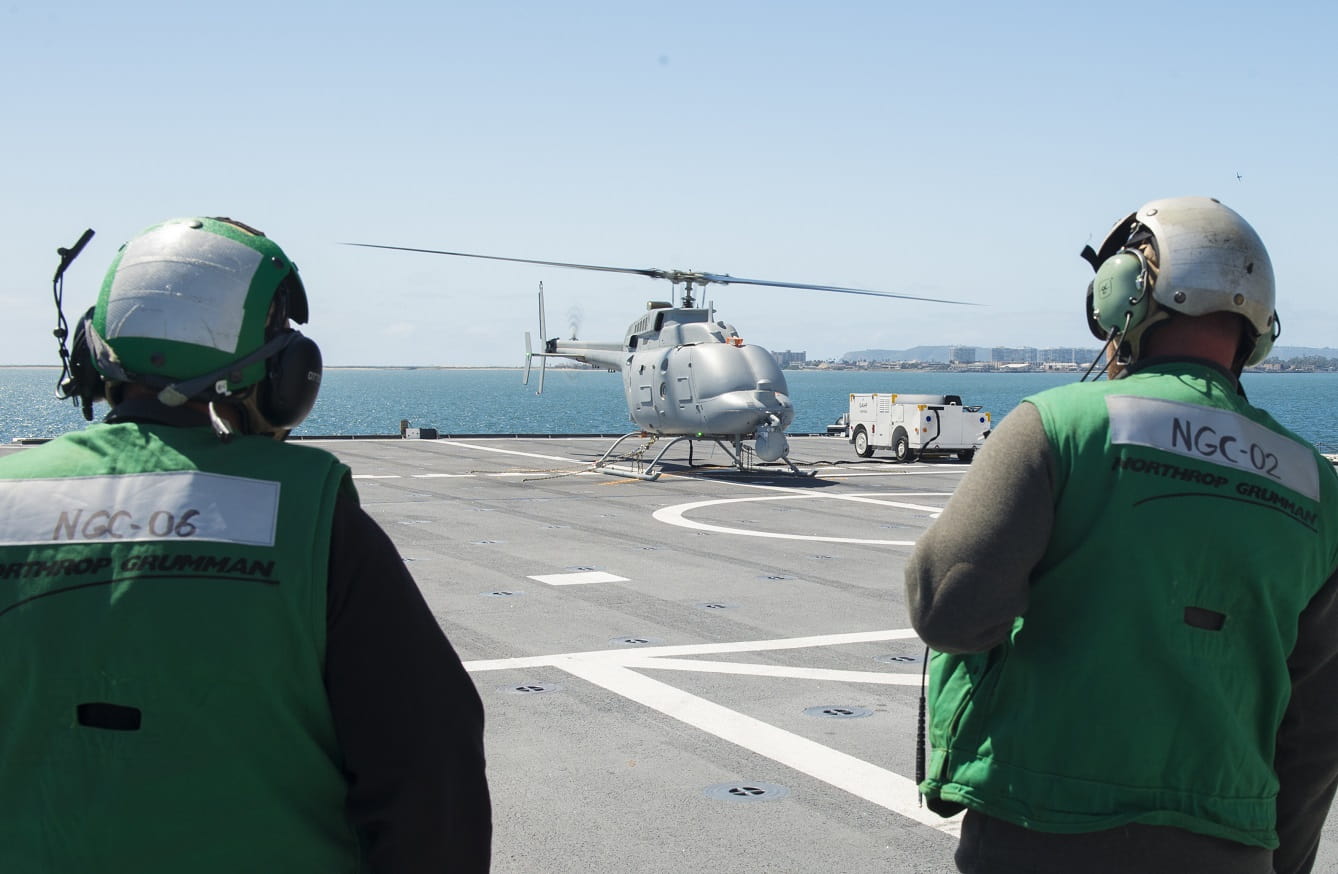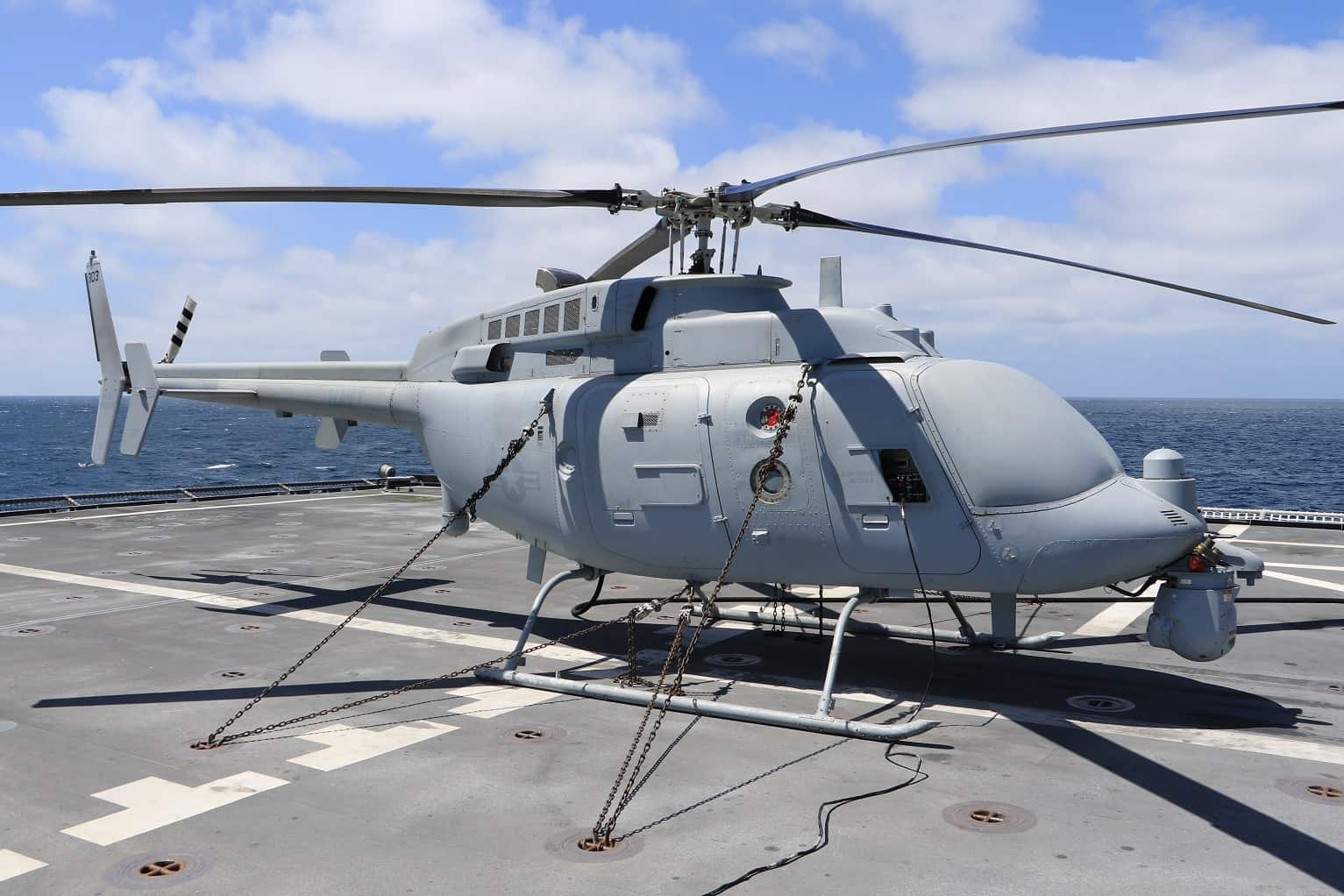
Japan is examining whether to buy MQ-8C Fire Scout unmanned helicopters for its newest destroyers, Izumo-class helicopter carriers and other ships.
Japan News by The Yomiuri Shimbun quoting source, reported that the government is considering the acquisition of about 20 unmanned helicopters to deploy aboard naval ships.
“In response to China’s maritime expansion, the government wants to strengthen its early warning and surveillance activities around the Senkaku Islands in Okinawa Prefecture,” said in news report.
Ship-based unmanned aircraft would monitor faraway foreign vessels and other objects that cannot be captured by shipboard radar, which would expand the area over which a single MSDF vessel is able to cover in its surveillance.
Also added that helicopters will be unique by having radiation sensors. After the nuclear accident at the Fukushima No. 1 nuclear power plant of Tokyo Electric Power Company Holdings Inc., government is considering equipping the unmanned helicopters with radiation sensors for use in a mission supporting an emergency.
The helicopter model is expected to be selected in fiscal 2022, with the procurement starting in fiscal 2023, the sources said.
Sources familiar with the matter say the Japanese government is planning to buy MQ-8C Fire Scout unmanned helicopters developed by the Northrop Grumman.
In 2018, the Northrop Grumman’s representative also said that Japan could be the first export customer for the newest MQ-8C Fire Scout unmanned helicopter.
The MQ-8C Fire Scout is the U.S. Navy’s newest unmanned helicopter and has increased speed, a higher ceiling, over twice the fuel endurance, and an improved payload capacity compared to earlier versions.
According to the Northrop Grumman, this system has completed more than 16,600 flight hours over 6,200 sorties. The MQ-8C Fire Scout’s airframe is based on the commercial Bell 407, a mature helicopter with more than 1,600 airframes produced and over 4.4 million flight hours. Combined with the maturity of Northrop Grumman’s autonomous systems architecture, Fire Scout meets customer requirements for a ship-based and land-based autonomous systems.