


- French airborne units deployed ISR, FPV, and jamming drones during the FURY 25 high-intensity training exercise.
- The exercise featured Parrot and eBee drones for reconnaissance and MEIPI systems for simulated FPV strikes.
French airborne forces deployed a wide range of unmanned aerial systems during the recent FURY 25 exercise, emphasizing the role of low-altitude drone operations in high-intensity combat scenarios.
The 1st Parachute Hussar Regiment (1er RHP) shared a detailed account of the drill, highlighting both operational capabilities and experimental systems.
In a statement published by 1er RHP, the unit said the third dimension—airspace just above ground level—had “fully taken its place” during the exercise. The simulation involved a diverse set of platforms used for detection, electronic warfare, and close-range reconnaissance.
The exercise featured the MEIPI (Munition d’Exercice Inerte à Pilotage Immersif) system, which simulated FPV-style attack drone engagements. According to the regiment, this capability brought training conditions closer to real combat scenarios.
The eBee Vision drone, a system developed by senseFly (now part of AgEagle), provided real-time detection and image transmission. The aircraft, designed for tactical ISR missions, played a key role in delivering situational awareness to the deployed units, the report said.
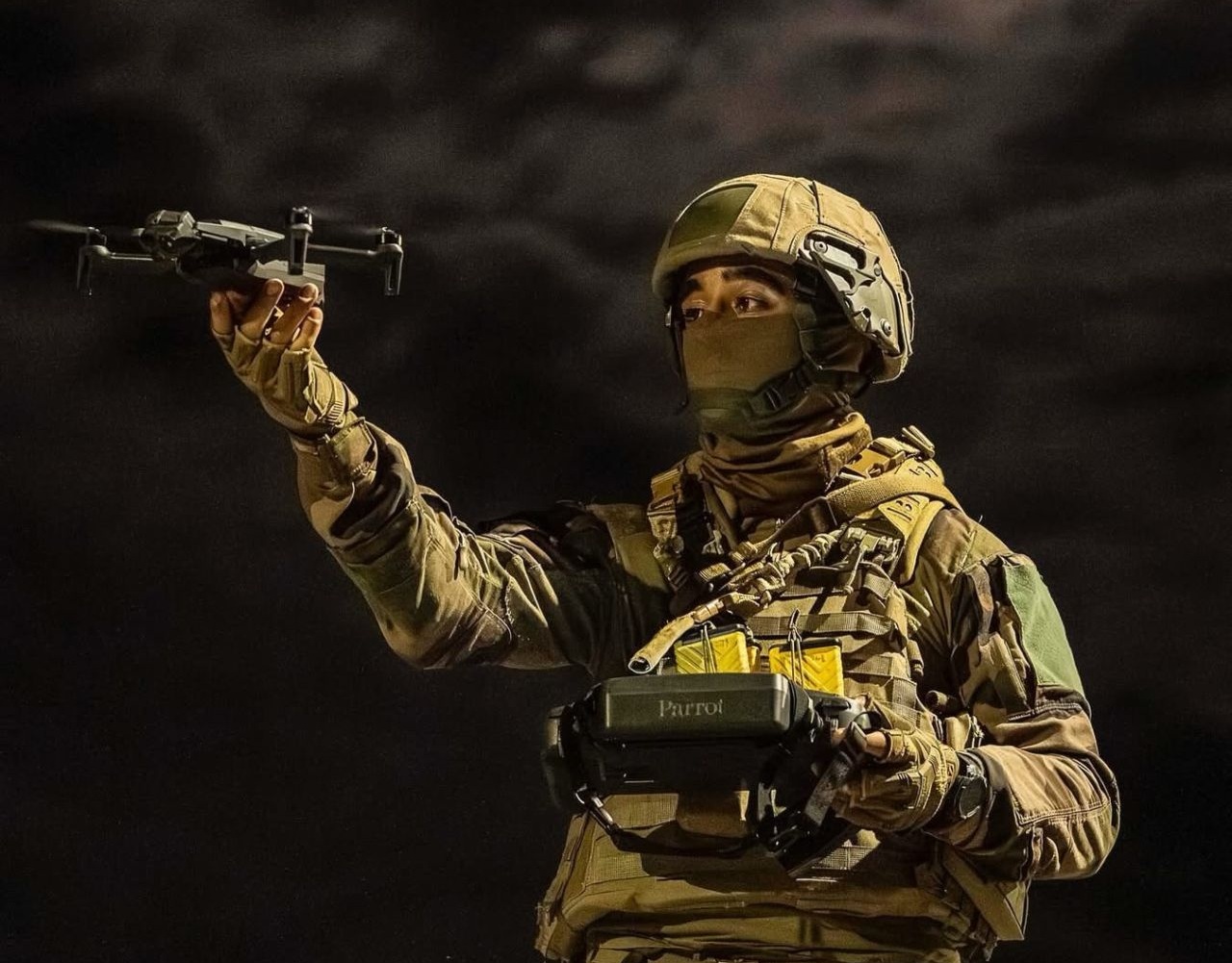
Parrot drones, produced by the French manufacturer Parrot and integrated by AgEagle, were used for close reconnaissance missions. These systems, already in operational use by French ground forces, offer compact observation capability in short-range tactical environments.
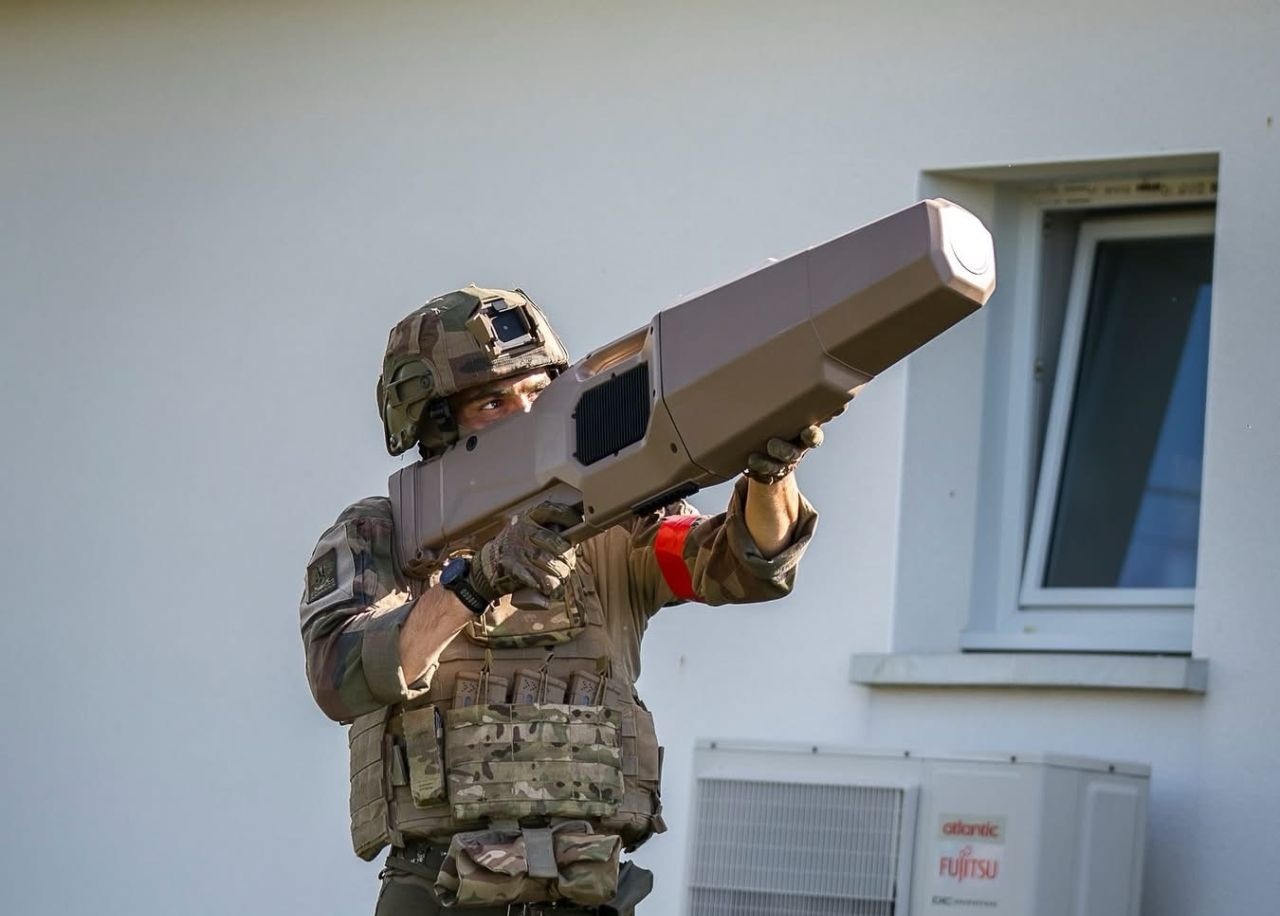
To counter aerial threats, NEROD jamming systems were employed to neutralize potential drone intrusions and protect ground elements. The NEROD system, developed by MC2 Technologies, is designed to disrupt drone control links across multiple frequencies.
Other drone platforms, still undergoing evaluation, were also tested during the drill. The regiment noted that experimental systems remain an active part of its modernization process, as new UAS configurations are assessed for battlefield use.
“In a high-intensity combat environment, mastering the very low-altitude air layer becomes a decisive factor,” the regiment said. The statement emphasized that drones—whether for observation, reconnaissance, or direct action—have become “essential actors” on the modern battlefield.
The French Army has been gradually expanding its use of drones across airborne, artillery, and infantry units. FURY 25 included contributions from the 11th Parachute Brigade, the 35th Parachute Artillery Regiment, and the Army’s experimentation and innovation hub at the Pôle Rayonnement de l’armée de Terre (PRAT).