


Electronic Warfare (EW) has become one of the most decisive tools in modern drone warfare, with jamming now shaping battlefields from Ukraine to Israel’s borders.
Aviv Bar Zohar, a leading counter-UAS expert, told Defence Blog that while current EW systems disrupt or disable most GPS-based drones, new navigation technologies are beginning to challenge that advantage.
“Today EW is one of the most effective tools in drone warfare. Continuous jamming can stop most GPS/GNSS-based drones, sometimes even causing them to crash, and in all cases disrupting their mission. This is why every battlefield — from Ukraine to Israel’s borders — is saturated with EW systems,” Bar Zohar said.
According to him, alternative methods are already being tested. “Fiber-optic tethered drones already operate at 20 km and have been demonstrated up to 100 km on VTOL platforms; Wi-Fi-based drones require different jamming methods; and drones using cameras with Visual SLAM combined with inertial sensors can navigate and map terrain without GPS,” he explained.
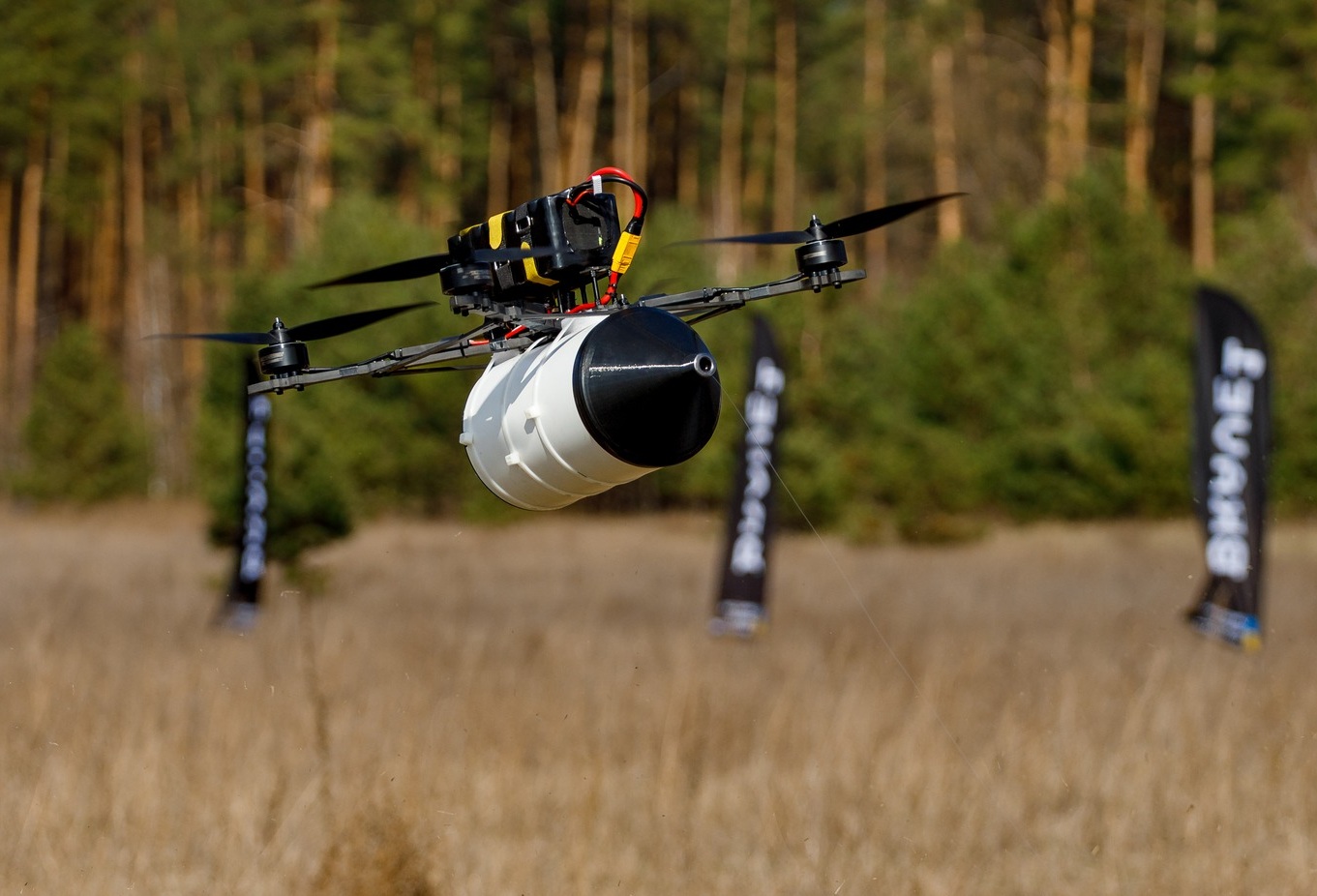
While he noted that EW will not disappear, drones equipped with such systems are expected to appear in larger numbers until “they balance the equation.”
On the front lines in Ukraine, drone use has surged at an unprecedented pace. From improvised FPV drones to more advanced platforms, Ukrainian units continue to demand systems that are cheap, reliable, and easily replaced. Bar Zohar emphasized that autonomy has yet to reach the level where soldiers are willing to fully trust it.
“From many interviews with fighters and commanders in Ukraine, it is clear that operators prefer quantity and reliability. They want 300 proven FPVs — durable, precise, and fully trusted — rather than a handful of autonomous systems that are not yet mature. Autonomy still lacks predictability, and human–machine trust is limited,” he said.
He added that cost remains a decisive factor in the choice of systems.
“It is better to lose hundreds of cheap, reliable drones than risk a few expensive and fragile ones,” Bar Zohar explained. Although autonomy is advancing, its adoption depends on predictability and operator confidence. “Autonomy will eventually be adopted, but only once operators know exactly what a single autonomous drone or a synchronized swarm will do. At that point, adoption will accelerate,” he said.
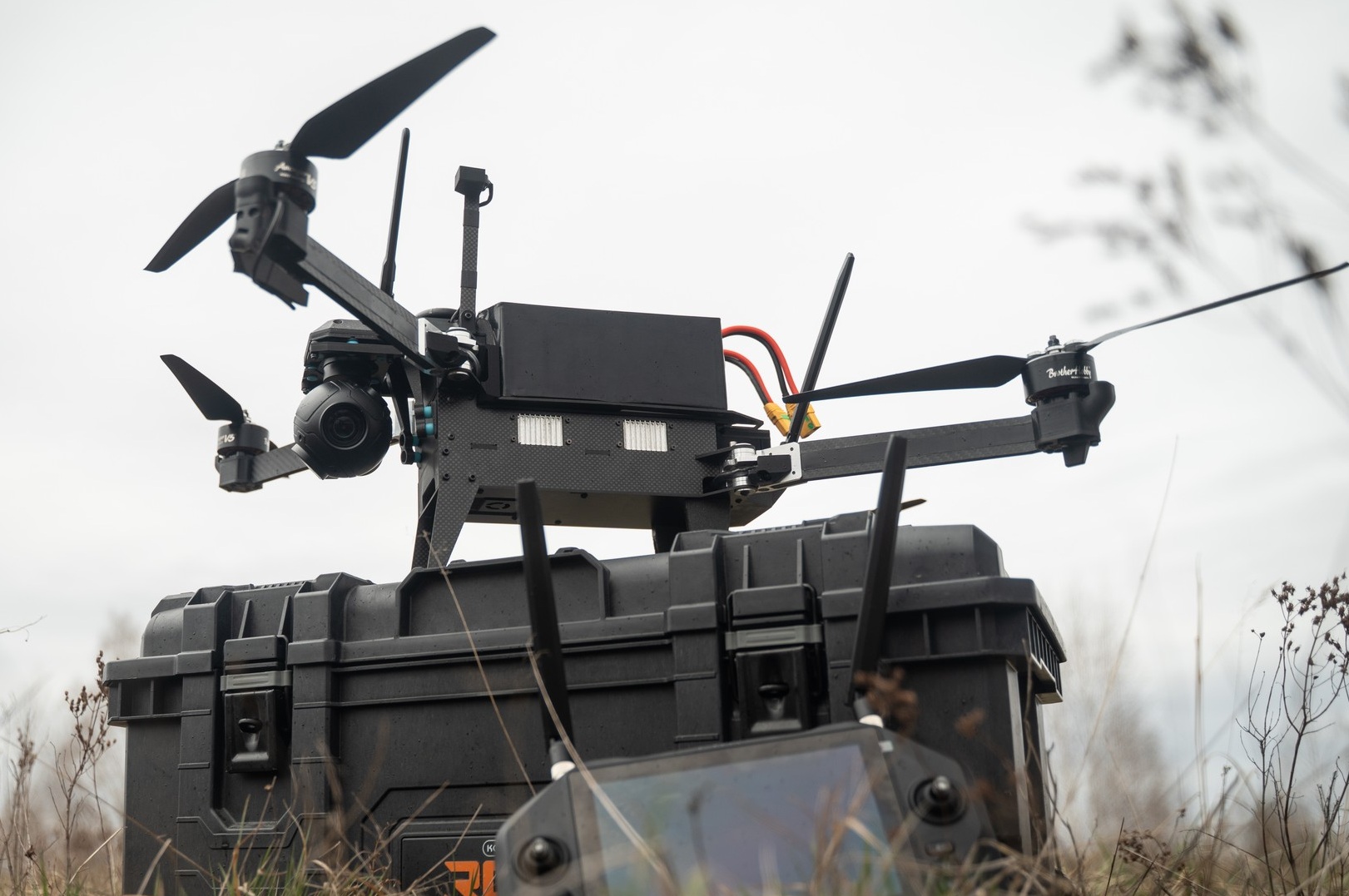
Bar Zohar also highlighted the need for compliance with humanitarian standards, stressing that future systems must ensure “meaningful human control, the ability to abort missions, and post-action accountability.”
Looking ahead, Bar Zohar believes drones will become inseparable from ground combat, integrated at the squad and individual level. He pointed to recent U.S. defense policy as a clear indicator of where the future lies.
“As recent U.S. defense policy makes clear, drones will be expendable — like rifle bullets. There will be no expectation to preserve them. I expect every squad to have soldiers specializing in drones, with large stocks to carry out multiple missions,” he said.

According to him, the battlefield is heading toward mass drone integration. “The trajectory points to a drone for every soldier, drones attached to every vehicle for attack and defense, making them an inseparable part of combat, just like hand grenades or assault rifles,” Bar Zohar added.
As electronic warfare continues to dominate, both Ukraine and other militaries are testing solutions that rely less on GPS and more on vision, sensors, and autonomy. For now, commanders still prefer quantity and reliability over fragile, unproven systems. But as costs decrease and technology stabilizes, drones guided by advanced navigation and machine learning could shift the balance back against electronic warfare.
For the moment, the contest remains open — between EW systems that jam and disrupt, and drone innovations that seek to adapt and survive.