

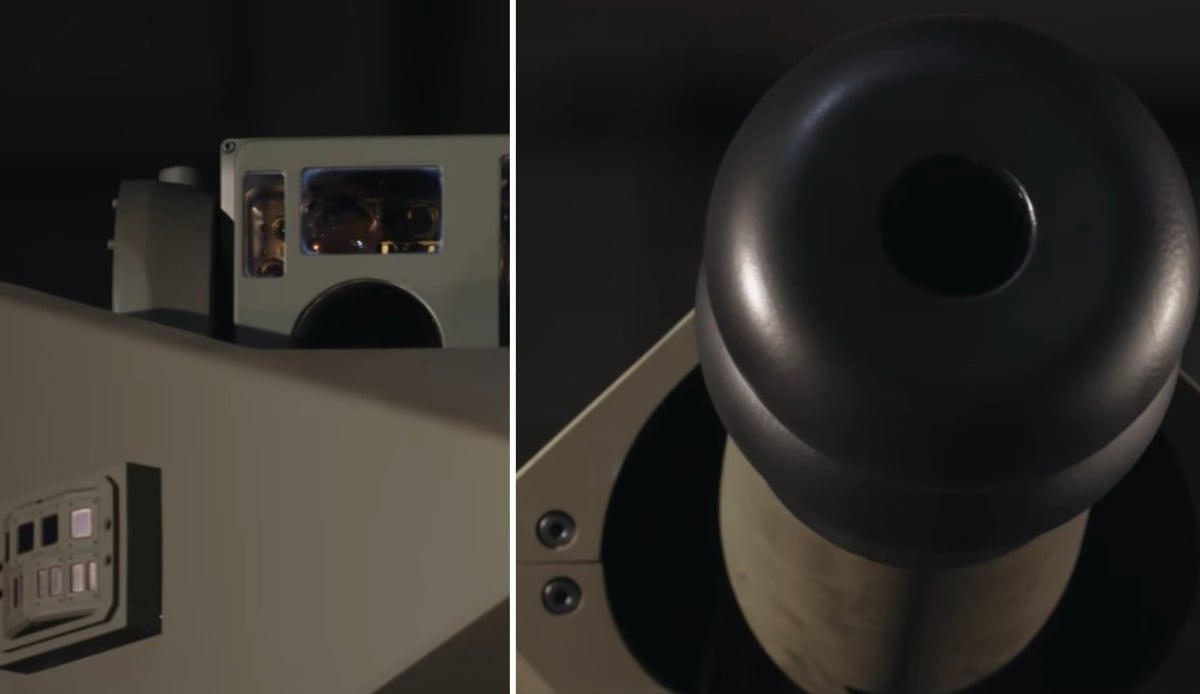
- American Rheinmetall released new video footage showing its XM30 infantry fighting vehicle concept for the U.S. Army program.
- American Rheinmetall says the XM30 uses AI and automation developed with Anduril Industries to support a two-soldier crew.
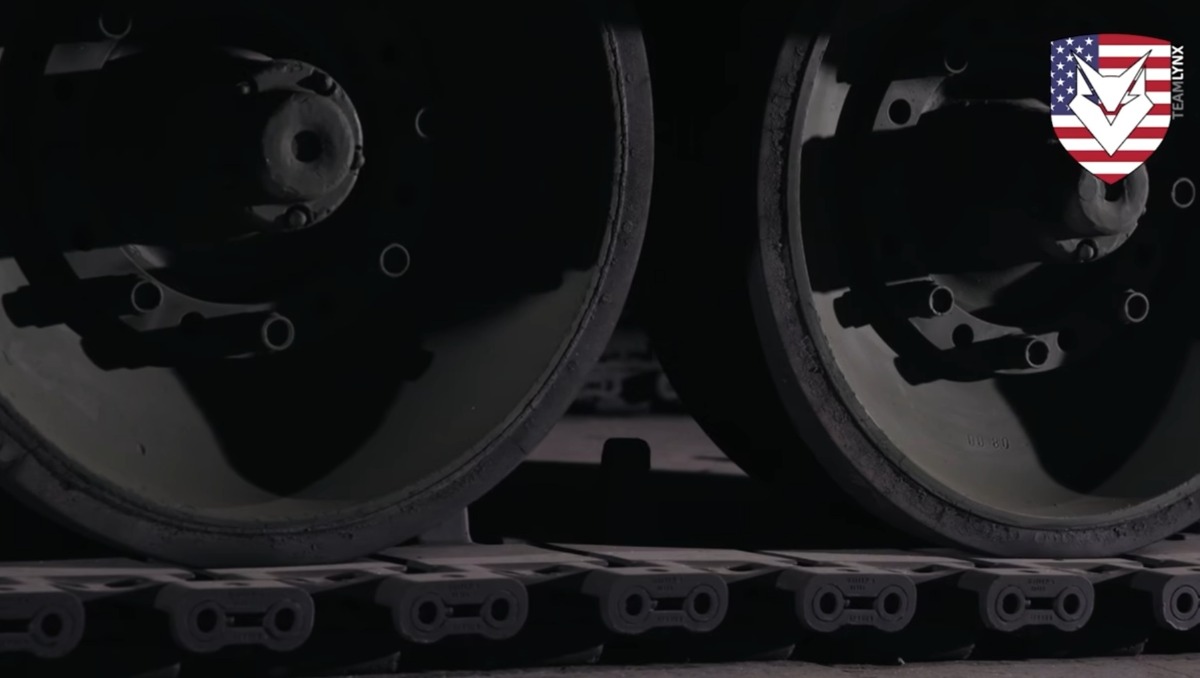
New footage from American Rheinmetall shows the company’s XM30 infantry fighting vehicle concept in greater detail, giving the clearest promotional look yet at the front profile, main gun, turret sensors and running gear of one of two vehicles competing to replace the U.S. Army’s Bradley.
The video arrives as the Army’s XM30 Mechanized Infantry Combat Vehicle program moves toward prototype delivery and testing, a critical stage in a competition that has already stretched across years of redesign, contract awards and changing battlefield assumptions. American Rheinmetall is competing against General Dynamics Land Systems for the program, which aims to replace the M2 Bradley, a tracked infantry fighting vehicle that entered U.S. service in the 1980s and has since become one of the Army’s most recognizable armored platforms.
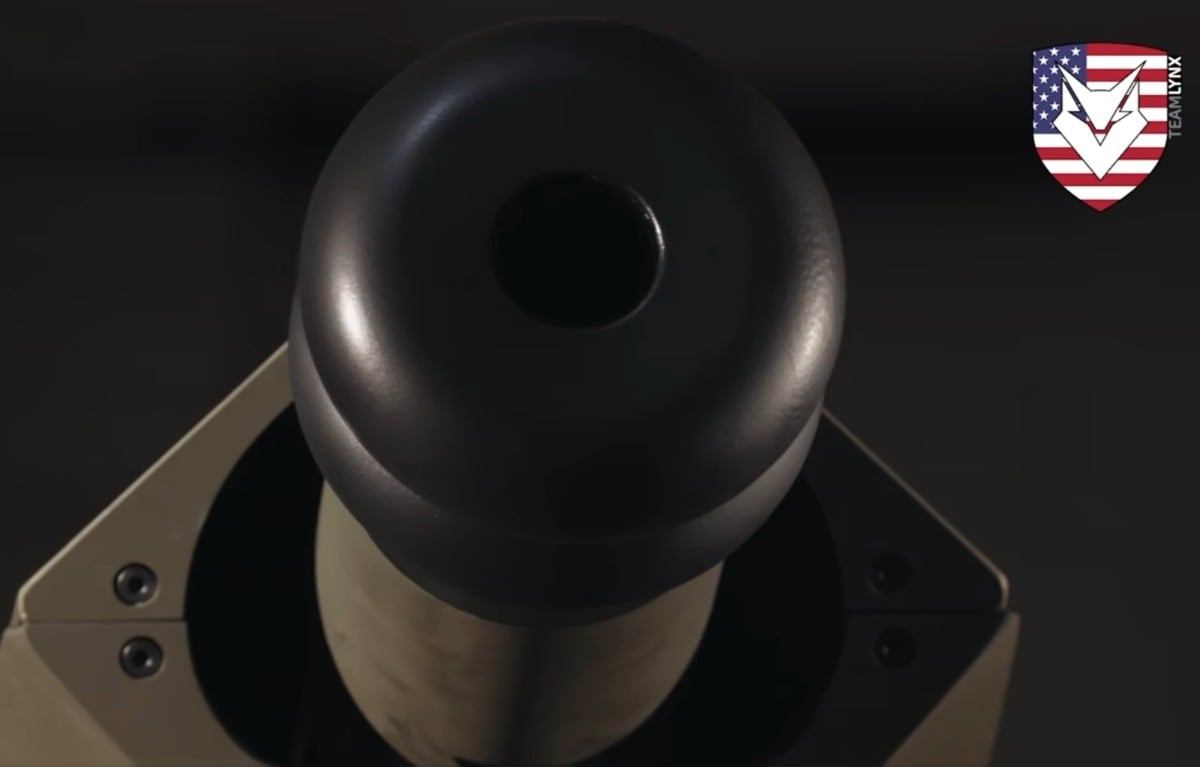
The new footage does not disclose fresh specifications, and American Rheinmetall did not announce a new Army contract with the video. Its importance lies in what the company chose to show and emphasize. The vehicle appears in a forward-facing view, with attention on the turret, cannon, sensor package and lower hull elements that point to a design built around protection, mobility and digital targeting rather than a simple Bradley refresh.
American Rheinmetall has described its Lynx XM30 as using a U.S.-designed uncrewed 50 mm (1.97 in) turret, a two-soldier crew concept, integrated protection systems and an open systems architecture. The larger gun is one of the program’s most visible changes from the Bradley, which has traditionally used a 25 mm (0.98 in) M242 Bushmaster chain gun. A 50 mm (1.97 in) weapon gives an infantry fighting vehicle more reach and effect against armored vehicles, fortified positions and aerial threats, although the Army has not yet selected a final XM30 winner.
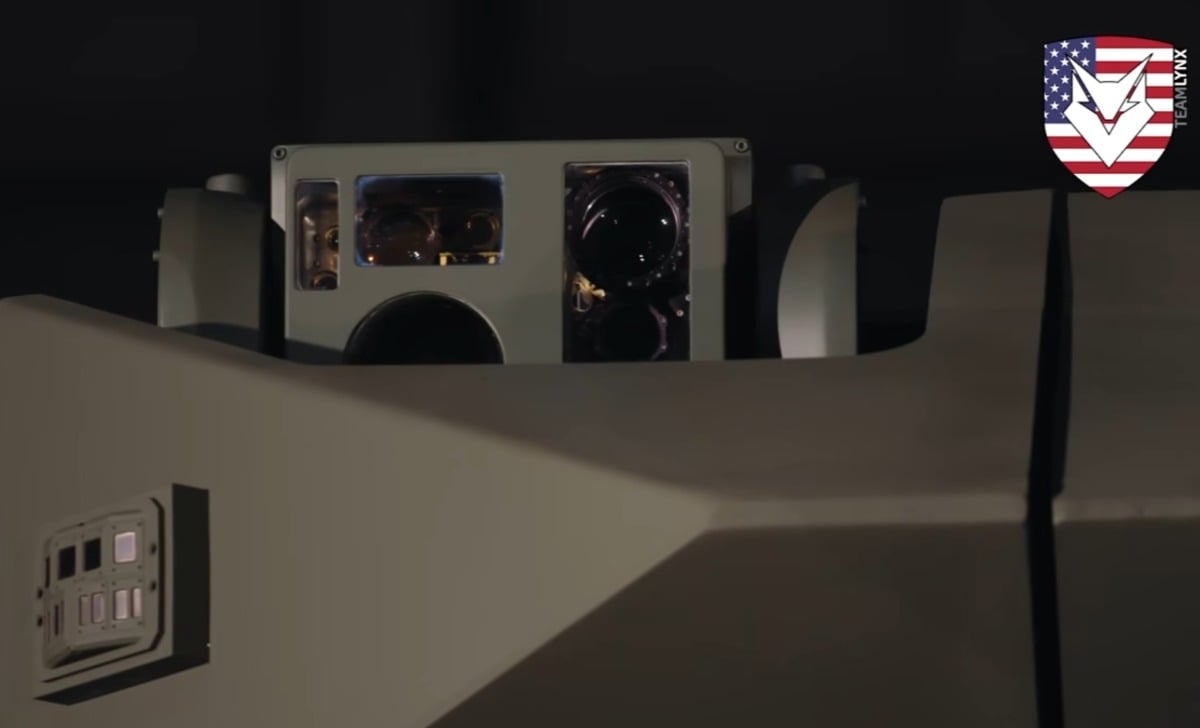
The company’s latest message focused less on armor or firepower than on how artificial intelligence and automation could change the crew’s workload inside the vehicle. American Rheinmetall said its integrated AI and automation, developed with Anduril Industries, are intended to filter, prioritize and automate tasks that might otherwise overwhelm a crew during fast-moving combat. That framing reflects one of the central bets behind XM30: the Army wants a vehicle that does not simply carry more electronics, sensors and data, but helps soldiers make sense of them under fire.
“A central principle has guided that work: remove complexity from the crew’s world, not add to it. The XM30’s integrated AI and automation—developed with Anduril Industries—protect the Soldier’s cognitive bandwidth by filtering, prioritizing, and automating tasks that would otherwise overwhelm a crew in critical moments,” American Rheinmetall said in the video text.
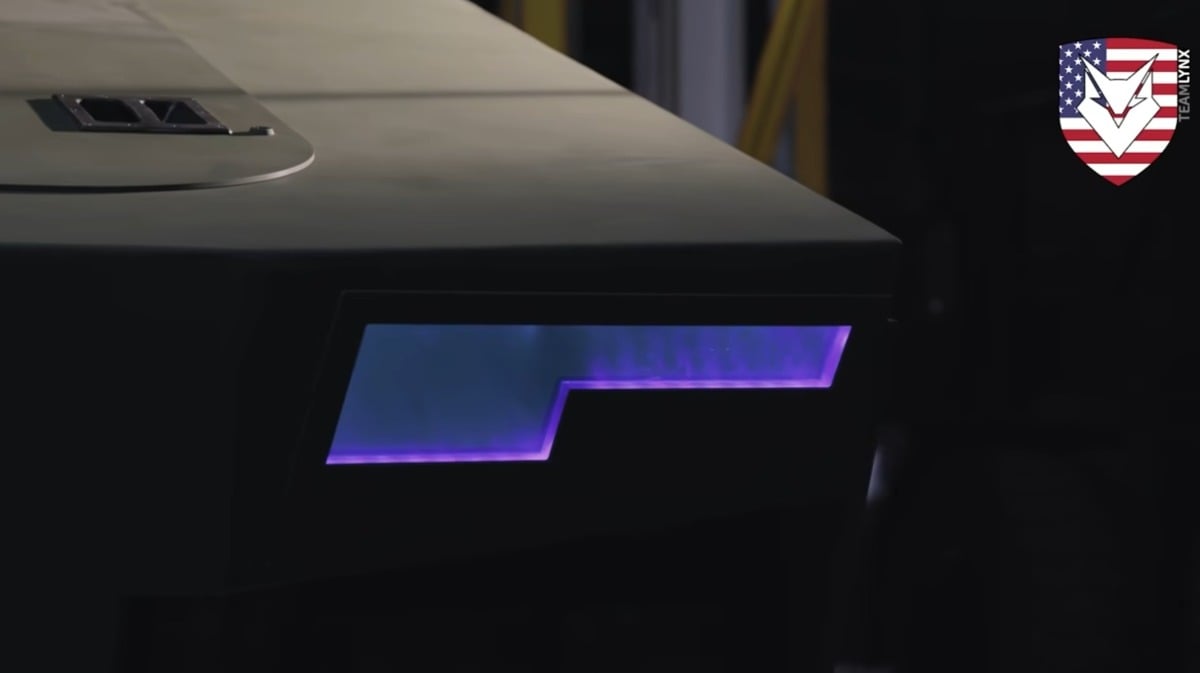
That claim matters because the XM30 is being designed around a two-soldier crew, a notable reduction from traditional armored vehicle crew models. The Bradley normally operates with a three-person crew and carries dismounts in the rear. Reducing the vehicle crew can free space, reduce manpower demands and change the internal layout, but it also places more pressure on automation, displays, sensor fusion and task management. American Rheinmetall argues that the smaller crew is not a weakness if the vehicle’s digital systems take over enough of the routine work.
“This is why the two‑Soldier crew is not a compromise but a capability. When the vehicle is doing meaningful work for the crew, they operate with greater awareness, speed, and survivability than larger crews in less capable systems,” American Rheinmetall said.
The Army’s interest in that concept reflects hard lessons from recent wars. Armored vehicles now face drones, top-attack weapons, loitering munitions, anti-tank guided missiles, mines, artillery and electronic warfare at the same time. A crew may need to track enemy vehicles, aerial threats, infantry teams, friendly positions, navigation data, ammunition state and network messages within seconds. In that environment, adding sensors without managing the information can hurt as much as help.
Anduril’s role in the American Rheinmetall team gives the XM30 proposal a strong defense-technology flavor. The company has built its reputation around autonomy, sensor integration and software-driven command systems, including Lattice, its artificial intelligence-enabled operating system for military sensing and decision support. For XM30, the promise is not a fully autonomous tank-like machine, but a vehicle that can help crews identify what matters and reduce the number of manual steps between detection, decision and action.
The XM30 program began as the Optionally Manned Fighting Vehicle effort, which the Army later renamed as the Mechanized Infantry Combat Vehicle program. The service awarded contracts in 2023 to American Rheinmetall Vehicles and General Dynamics Land Systems for detailed design and prototype build and test phases, with total awards across the competing teams valued at about $1.6 billion. The Army designed the program as a direct successor to Bradley after earlier replacement attempts struggled with weight, requirements and affordability.
The Bradley’s combat record gives the XM30 program both urgency and caution. The vehicle has served for decades in U.S. operations and has also seen combat in Ukraine, where donated Bradleys have proved valuable in infantry support and survivability. That record makes the replacement challenge harder because the new vehicle must improve mobility, lethality, protection and digital capacity without becoming too heavy, too complex or too expensive to field in useful numbers.
American Rheinmetall’s design draws from the Lynx family, a tracked infantry fighting vehicle lineage the company has marketed internationally while adapting the U.S. proposal around Army requirements. The XM30 version is not simply an off-the-shelf foreign vehicle, because the company’s U.S.-led team includes American partners and a U.S. industrial approach. Rheinmetall’s public material identifies Team Lynx partners including Anduril, L3Harris, Raytheon, Textron Systems and Allison Transmission, each tied to different parts of the vehicle’s digital, protection, weapon, mobility or integration ecosystem.

The new video’s emphasis on a “defining moment” in July points to the program’s near-term hardware phase, when prototypes move from design claims into Army evaluation. Prototype delivery does not mean the Army has selected a winner. It means soldiers, testers and acquisition officials can begin judging whether the vehicles meet the service’s expectations in weight, maintainability, lethality, survivability, power generation, software integration and crew workload.
Power is one of the less visible but crucial issues for any next-generation armored vehicle. Modern infantry fighting vehicles must feed radars, cameras, electronic warfare gear, active protection systems, communications networks and onboard computing. Those demands make electrical architecture as important as engine power, because a vehicle that cannot generate, manage and reserve enough energy will struggle to support future upgrades.
The Army also wants XM30 to remain upgradeable over a long service life. Open systems architecture, a design approach that allows hardware and software components to be swapped or improved without rebuilding the entire vehicle, has become a core requirement in modern U.S. programs. For armored vehicles, that can mean adding new sensors, counter-drone tools, software packages or protection systems as threats change.