


Defense analyst Fabian Hoffmann has released a detailed study tracing the trajectory of Ukraine’s missile programs from 2014 to 2025, highlighting the country’s efforts to transition from limited post-Soviet capabilities to a diverse but still developing long-range strike arsenal.
In his latest Missile Matters post, Hoffmann examined the rise, setbacks, and future of Ukraine’s deep-strike capabilities, placing recent developments such as the Flamingo, “Long Neptune,” and ERAM missiles into a broader context.
According to the report, Ukraine’s missile industry has undergone several distinct phases since 2014: modest post-Soviet capabilities, pre-war programs plagued by setbacks, wartime improvisation and reliance on Western systems, and now ambitious attempts at independent production.
By 2023, Ukraine relied almost entirely on Western-supplied long-range weapons such as the Storm Shadow and SCALP-EG. By 2025, it fields a range of domestically produced drones and mini–cruise missiles, forming the backbone of its strike capability. Yet Hoffmann stressed that these remain relatively light systems, often carrying payloads under 100 kilograms and flying at lower speeds, limiting their destructive effect.
“The new push,” Hoffmann wrote, “is to add a true heavy-hitter: a missile combining long range with a large payload and high velocity.” In this light, the unveiling of the Flamingo cruise missile with claimed specifications of a 3,000-kilometer range and a 1,150-kilogram payload generated attention. Still, the analyst cautioned that doubts about its producer, Fire Point, including reports of corruption investigations, make it unclear whether the system will reach operational maturity.
Other options remain. Ukraine has reported continued work on the Hrim-2 short- to medium-range ballistic missile, which reportedly entered production in June 2025, though details remain scarce. On August 25, Ukraine presented the “Long Neptune,” an extended-range derivative of the R-360 Neptune with a reported 1,000-kilometer reach. Development also continues on the Korshun land-attack cruise missile, based on legacy Kh-55 technology, which could provide Ukraine with another long-range strike option.
Hoffmann emphasized that the absence of a mass-produced heavy missile limits the scale of destruction Ukraine can impose with its long-range strikes. While lighter drones and mini–cruise missiles have disrupted Russian infrastructure, including repeated attacks on refineries, their smaller payloads and slower speeds mean they cannot match the effects of heavier Western missiles.
Nevertheless, the analyst argued that Ukraine’s missile industry has shown resilience in the face of Russian attacks, Western supply limits, and domestic funding pressures. From the Vilkha guided rocket system in 2018 to the Neptune cruise missile used in the 2022 sinking of the Russian cruiser Moskva, Ukraine has gradually built up the foundation for more advanced systems.
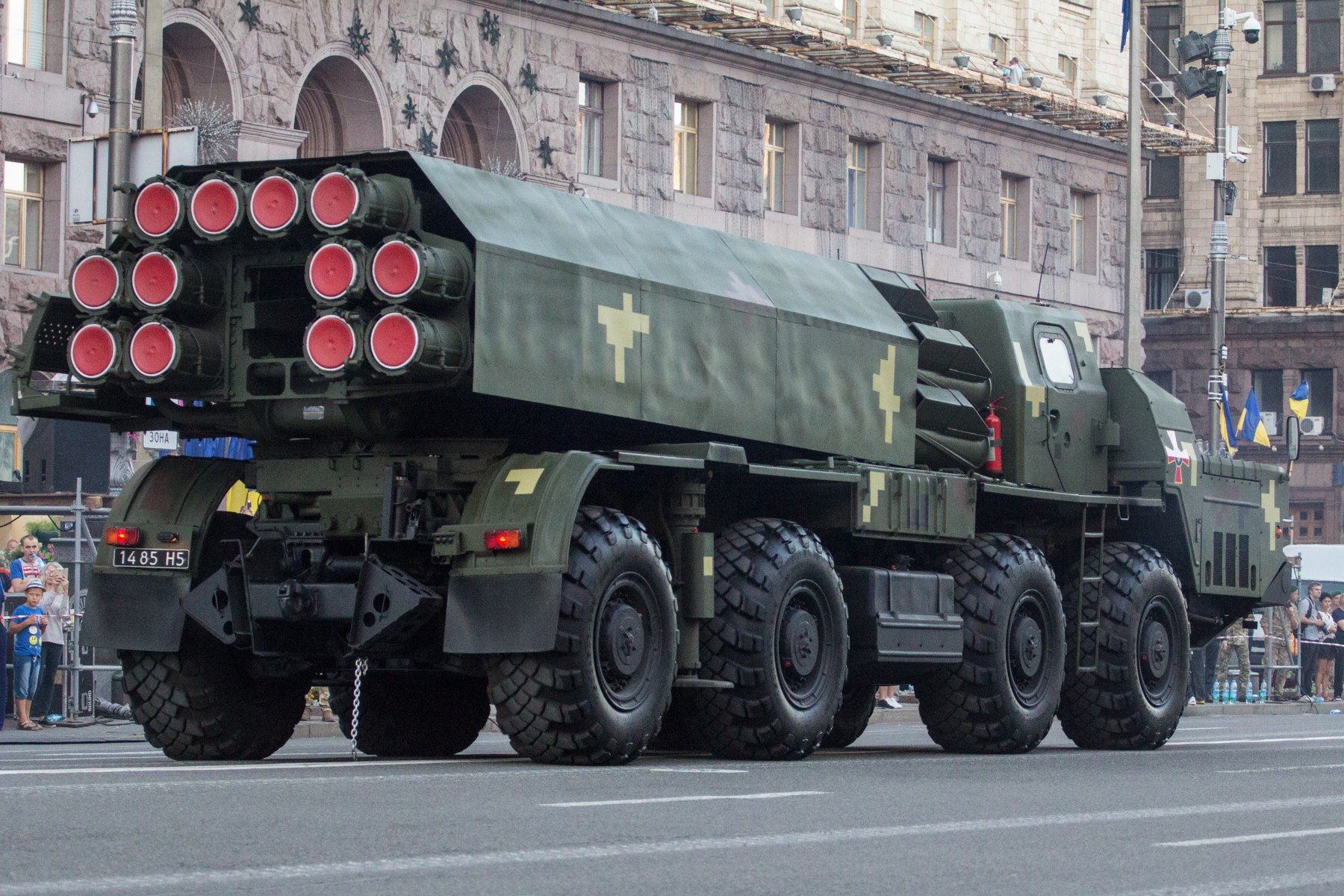
“Whether the Flamingo proves viable or not, it reflects the broader trend underway,” Hoffmann said. “Ukraine is moving beyond improvised wartime solutions and foreign reliance, seeking to establish indigenous heavy missile production as the next step.”
The study concluded that if Ukraine succeeds in mass-producing a heavy long-range missile, the intensity of the missile war will rise sharply. Yet cost remains a central challenge, making sustained foreign financial assistance indispensable. As Hoffmann noted, Ukraine’s growing investment in long- and deep-strike capabilities is already consuming a larger share of the defense budget.