


- The U.S. Navy awarded BAE Systems a five-year contract worth up to $1.7 billion for APKWS laser-guidance kits, with an initial $322 million order.
- The guidance kits convert unguided rockets into precision munitions usable from air and ground platforms and available to U.S. forces and allies.
The United States Navy has awarded BAE Systems a five-year, indefinite delivery, indefinite quantity contract worth up to $1.7 billion for Advanced Precision Kill Weapon System (APKWS) laser-guidance kits, a move drawing particular attention amid battlefield lessons from Ukraine on countering drones with low-cost precision weapons.
According to a press release from BAE Systems, the contract includes an initial $322 million order and allows the Navy to procure tens of thousands of APKWS guidance kits over a five-year period. The kits will be available to all U.S. armed forces and to allied nations through foreign defense sales.
The award comes as modern battlefields, including Ukraine, have demonstrated the growing need for cheap, rapidly deployable precision weapons that can be used against drones, loitering munitions, and other airborne threats from both ground and air platforms.
“This award reinforces the value of proven and cost-efficient precision munitions, which have consistently demonstrated their effectiveness and versatility across multiple platforms and missions,” said Neeta Jayaraman, director of Precision Guidance and Sensing Solutions at BAE Systems. “The APKWS guidance kit provides advanced capabilities to our armed forces and foreign allies, and high-volume production ensures rapid and efficient delivery to the warfighter.”
APKWS guidance kits convert standard 2.75-inch unguided rockets into laser-guided weapons, allowing precise engagement of targets at a fraction of the cost of traditional guided missiles. The system is combat proven in air-to-surface, surface-to-surface, surface-to-air, and air-to-air roles, according to the company.
The experience of Ukrainian forces has highlighted how such systems can be adapted quickly to counter enemy drones. Ukrainian units have employed laser-guided rockets and similar low-cost munitions from ground vehicles and fixed-wing aircraft to engage reconnaissance drones, loitering munitions, and slow-moving aerial targets. These engagements have shown that relatively inexpensive precision rockets can be used to protect frontline units and critical infrastructure without expending costly air defense missiles.
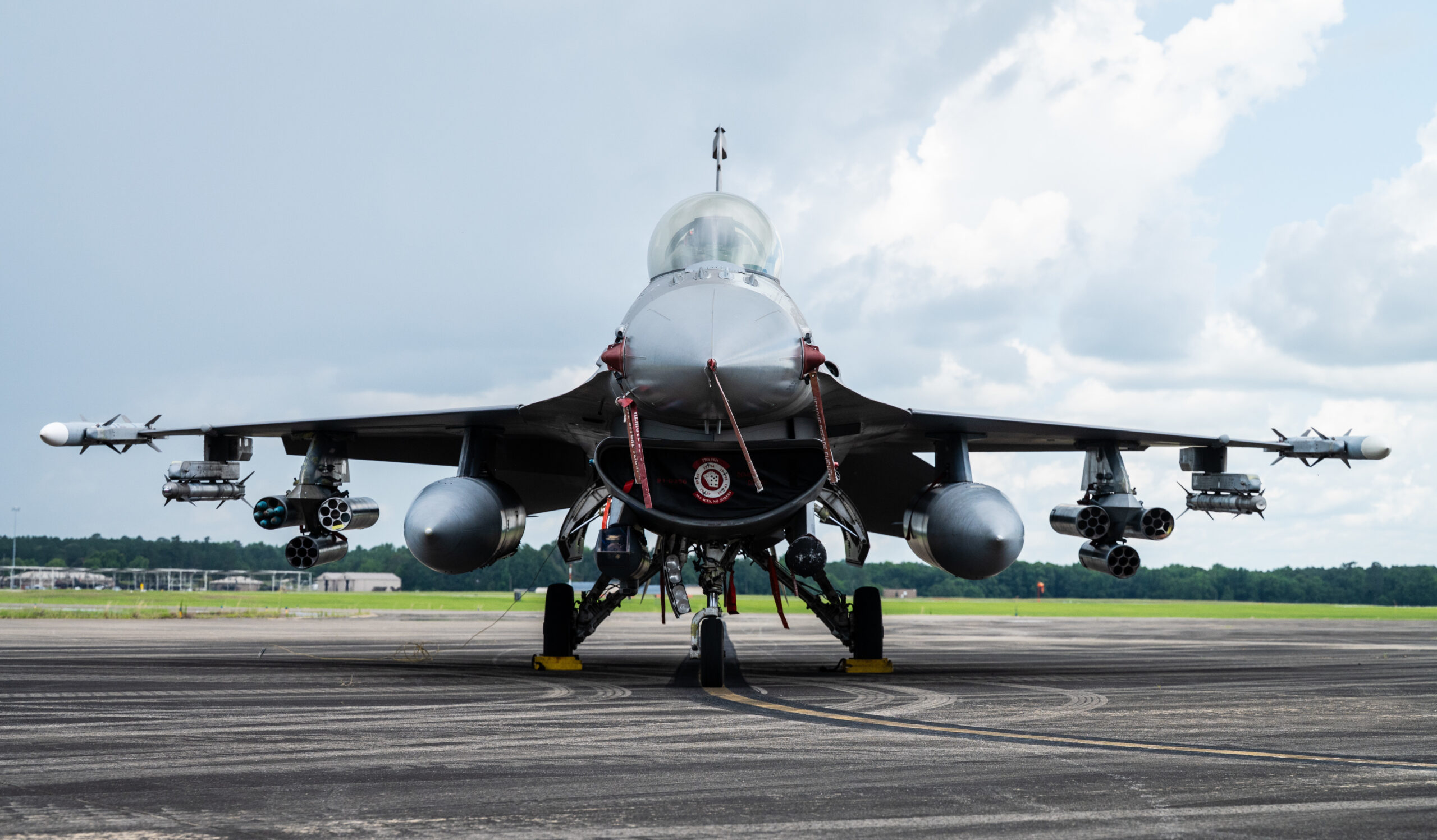
Defense analysts note that this approach aligns closely with APKWS’s design philosophy. The guidance kit allows operators to use existing rocket stocks, avoiding the need for specialized interceptors. From a ground vehicle or airborne platform, a laser-guided rocket can provide a cost-effective option against drones that would otherwise require far more expensive surface-to-air or air-to-air missiles.
BAE Systems says APKWS can be launched from a wide range of platforms, including rotary- and fixed-wing aircraft, unmanned aerial vehicles, static and mounted ground systems, and maritime vessels. This flexibility mirrors the Ukrainian approach of adapting available platforms to meet immediate operational needs.
The kit is compatible with existing inventories of rocket motors, warheads, and fuzes and requires minimal additional training. Company says the maintenance concept is simple and affordable, supporting rapid fielding and sustained use during high-tempo operations.
BAE Systems has been in full-rate production of APKWS guidance kits for more than 12 years. During that time, the system has been adopted by multiple U.S. services and allied militaries seeking a balance between precision, availability, and cost. The company says its established supply chain and manufacturing capacity allow it to scale production quickly in response to increased demand.