


Russian sources have released images showing destroyed and heavily damaged vehicles from the Iskander-M short-range ballistic missile system, indirectly confirming the success of recent Ukrainian strikes.
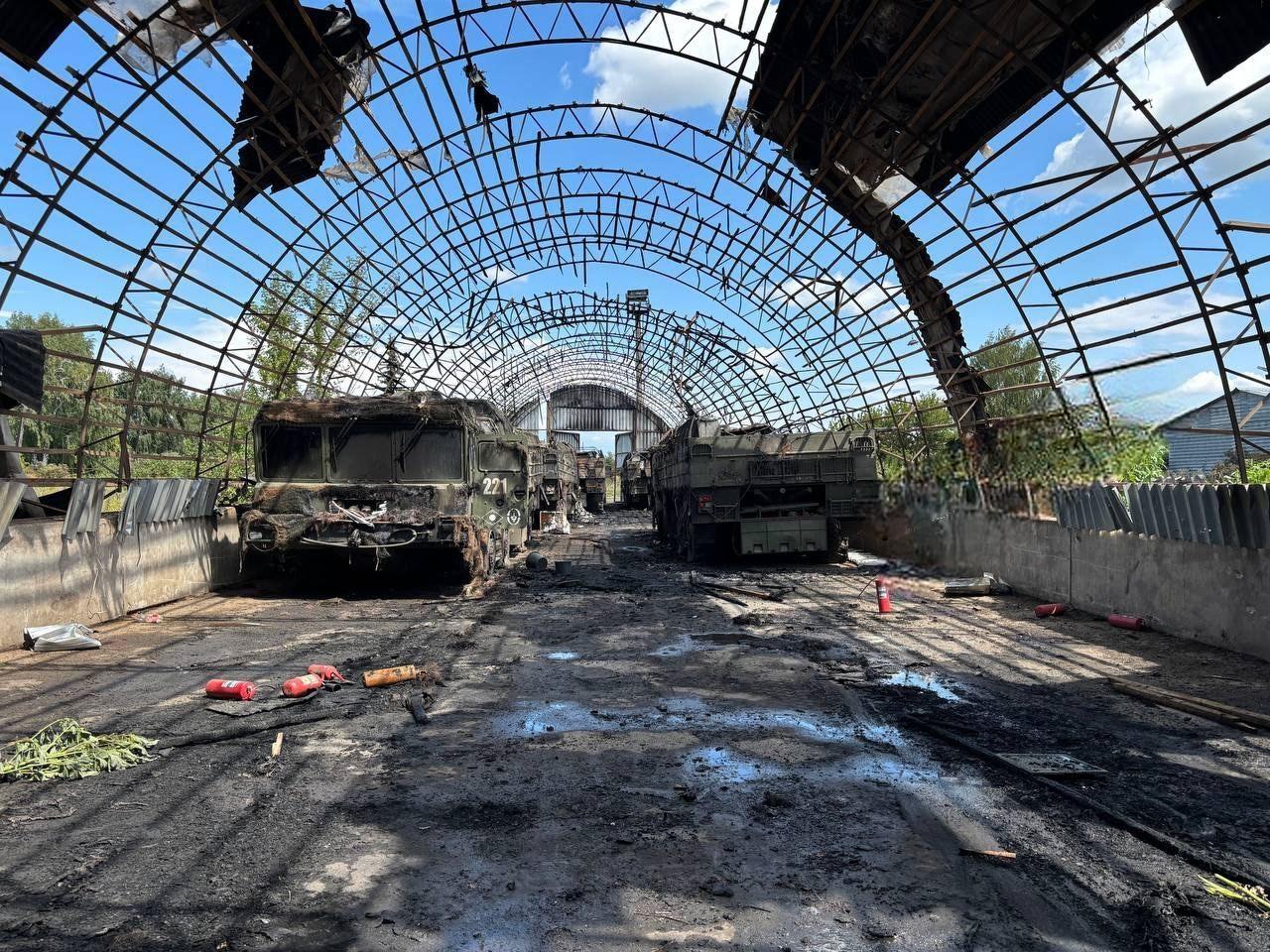
The photographs depict a launcher and several transport-loading vehicles, burned out after a strike on a hangar where the systems had been concealed. At least one launcher and five transport-loading vehicles on MZKT chassis were reportedly destroyed, along with a mobile command post based on a KamAZ truck.
According to Ukrainian channels, the attack was carried out using 14 loitering munitions. The strike represents a further blow to Russia’s ability to operate one of its most prized tactical missile systems, long used in attacks against Ukrainian cities and military infrastructure.
The Iskander-M—a mobile short-range ballistic missile system—is capable of firing both ballistic and cruise missiles, and is considered a core element of Russia’s theater strike capabilities. Its deployment near the front has been critical for Russia’s efforts to pressure Ukrainian air defenses, but the system’s large and conspicuous launch vehicles make them vulnerable to reconnaissance and precision drone strikes.
Images shared online show scorched remnants of transporters and blackened fragments of the launcher vehicle, reinforcing Ukrainian claims that the strike caused considerable losses. While Moscow has not officially confirmed the scale of the damage, the release of the images by pro-Russian channels suggests the losses could not be concealed.
The Ukrainian military has increasingly relied on massed drone attacks against high-value targets inside deep Russian territory. Low-cost unmanned systems, guided by precise intelligence, have enabled Ukraine to hit assets once considered safe from conventional artillery or missile strikes.
The use of drones to neutralize Iskander-M components highlights the evolving nature of warfare in Ukraine, where traditional systems designed during the Cold War are proving vulnerable to modern, networked, and persistent drone operations.
For Ukraine, eliminating even a handful of Iskander-M vehicles has both symbolic and practical value. It undermines Russia’s strike capability, complicates logistics, and forces Moscow to commit additional resources to protect its missile brigades.
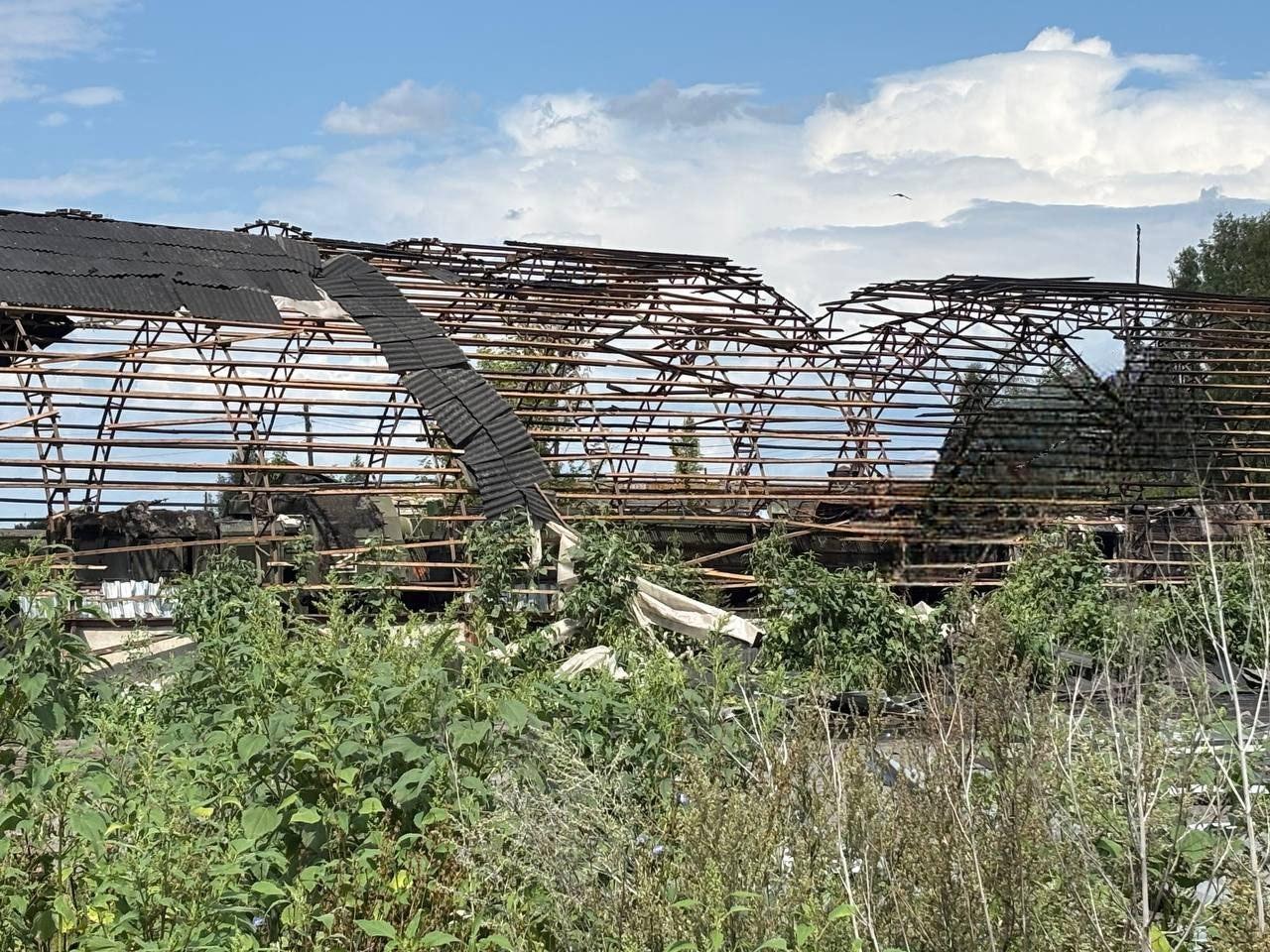
While Russia has sought to shield its Iskander-M systems through concealment and dispersal, the recent strike shows that Ukrainian drones remain capable of reaching well-defended targets.
The Iskander-M entered service in the early 2010s and has been widely deployed across Russia. Each system consists of a launcher, transport-loading vehicles, and command elements, all of which are essential for sustained operations. The destruction of multiple transporters, in addition to a launcher, will hinder Russia’s ability to reload and redeploy the system.