


Russian analysts and pro-military commentators are openly criticizing the country’s latest Zapad 2025 military exercises, accusing the country’s Ministry of Defense of staging unrealistic maneuvers that ignore hard-learned lessons from the war in Ukraine.
Influential Telegram channel Voenny Osvedomitel, known for its ties to military insiders and OSINT groups, condemned the exercises as out of touch with modern battlefield conditions.
“Tu-22M3 and Su-34 bombers carried out strikes using free-falling bombs from low altitude,” the channel reported, adding that Russian paratroopers “loaded their BMD-2s into Il-76MD transport aircraft for parachute landings behind enemy lines.”
“These aren’t exercises,” the post continued. “It’s another circus act for the generals sitting on pedestals with binoculars.”

The backlash reflects growing frustration among military bloggers and analysts who say Russian generals are recycling tactics that failed in Ukraine. In early 2022, Russia’s initial assault on Hostomel Airport near Kyiv featured a similar strategy—airborne troops attempting to seize a critical site by surprise and hold it until reinforcements arrived.
That operation collapsed when Ukrainian forces countered with artillery, airstrikes, and ground resistance. Russian transport aircraft were forced to divert, and airborne units—without proper support—had to push through the Chernobyl Zone to rejoin main forces. Ukrainian Su-24s and artillery units inflicted heavy losses, and Russian tactical aviation has since avoided operating within 40 kilometers of Ukrainian air defenses.
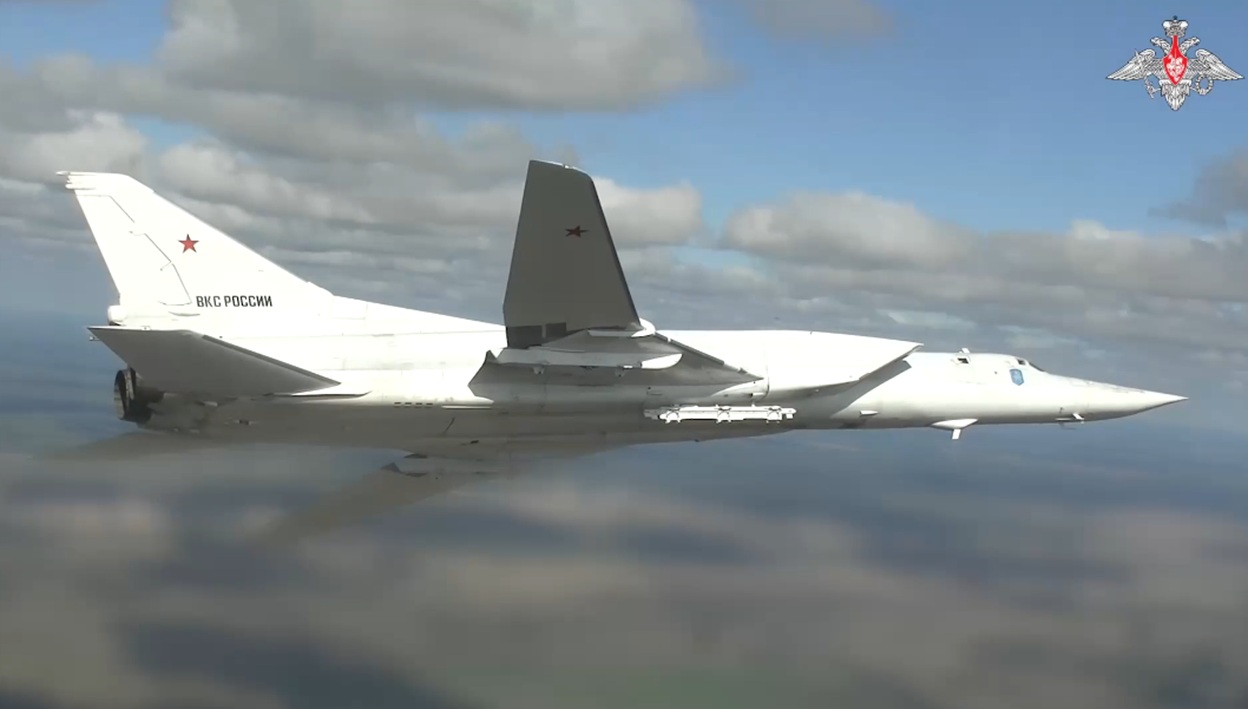
Despite this, the Zapad 2025 drills appear to replicate the same assumptions about uncontested airspace and rapid airborne insertions.
Critics say the Ministry of Defense is more focused on visual spectacle than combat relevance. While Russian forces have adapted in some areas, such as the widespread use of glide bombs and drones, the decision to showcase traditional tactics has raised concerns among observers who fear that leadership remains insulated from front-line realities.
Russian military leadership has not publicly responded to the criticism. However, official footage from Zapad 2025 highlighted synchronized troop deployments, low-level bombing runs, and parachute insertions—all presented as demonstrations of combat readiness and strategic flexibility.