


Poland has signed a new contract with South Korea for the supply and local assembly of K2 and K2PL main battle tanks. Under the agreement, the modernized K2PL variant will be produced at the Bumar-Łabędy plant in Gliwice, a facility operated by the state-owned Polska Grupa Zbrojeniowa (PGZ).
Bumar-Łabędy last produced tanks in 2009, delivering the final PT-91s to the Malaysian Army. Since then, the plant has focused on maintenance and upgrades. The new contract will return the Gliwice factory to serial production, beginning with final assembly of the K2PL — a variant with enhanced armor, active protection systems, and NATO-compatible upgrades tailored for Polish operational needs.
The move raises broader questions about why Poland ultimately abandoned its own tank development track in favor of adopting a foreign design.
To explain this shift, Defence Blog spoke with Bartłomiej Kucharski — a well-known defense journalist from Wojsko i Technika and one of Poland’s leading experts on armored warfare — who provided a detailed, step-by-step overview of how Poland arrived at this decision.
“In the past, there really was a plan to develop the T-72 into an entirely new Polish tank through evolution,” Kucharski said. “It would have gone: PT-91 (which was built), followed by the improved PT-94 (which was to some extent the export version PT-91M), then PT-97 (PT-94 with a welded turret), and finally the PT-2000 with Western components — a third-generation MBT in the full sense.”
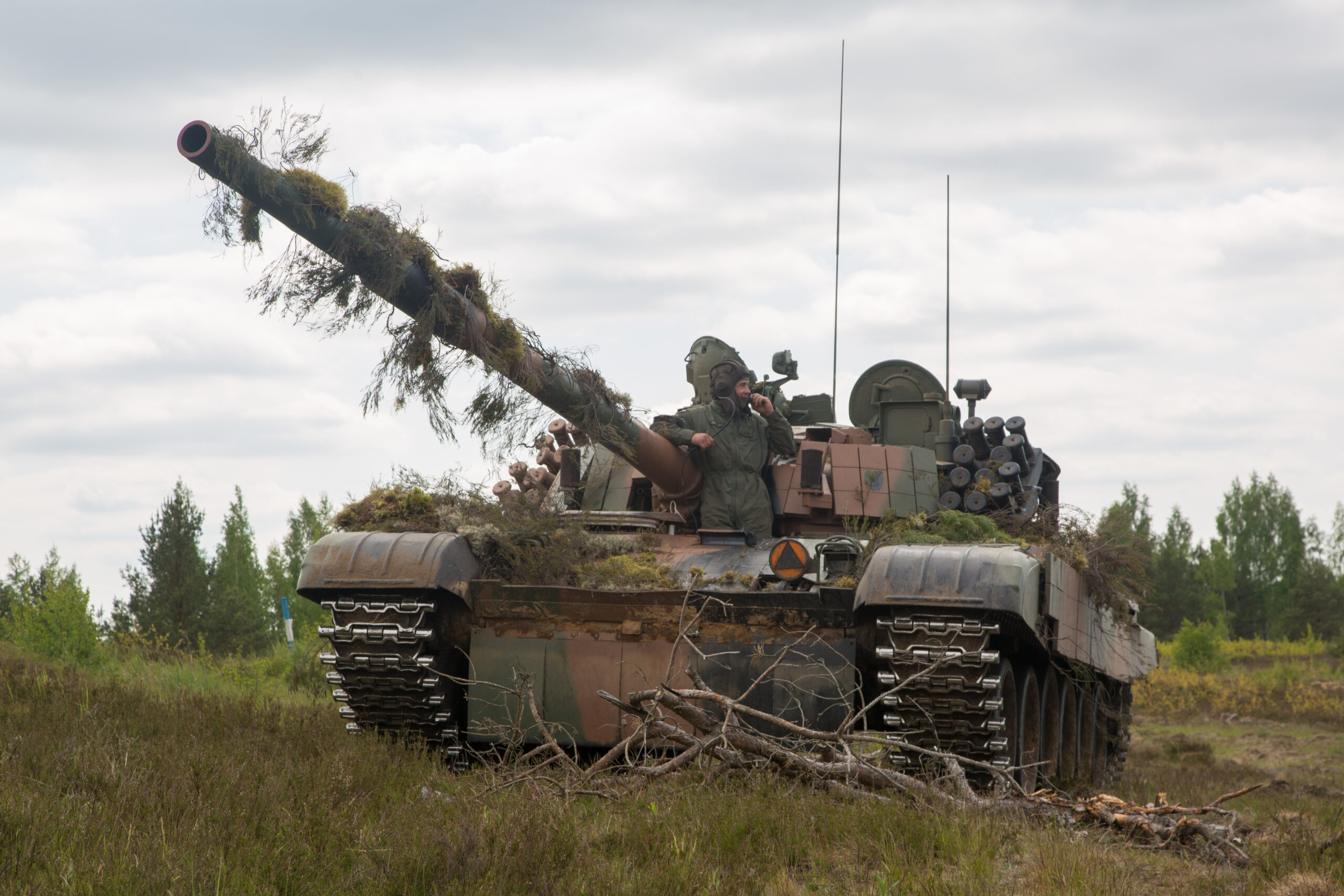
However, the PT-2000 was never built. “There was no money for it: the program cost was estimated at $400 million, and purchasing the tanks would have taken millions more. The cost per unit was estimated at $4–5 million,” he explained.
At the time, Poland was purchasing Rosomak APCs and F-16 fighter jets. The country also faced operational obligations in Afghanistan and Iraq. “We were required to send troops to American wars — that one I even understand, Washington invoked NATO Article 5,” he said.
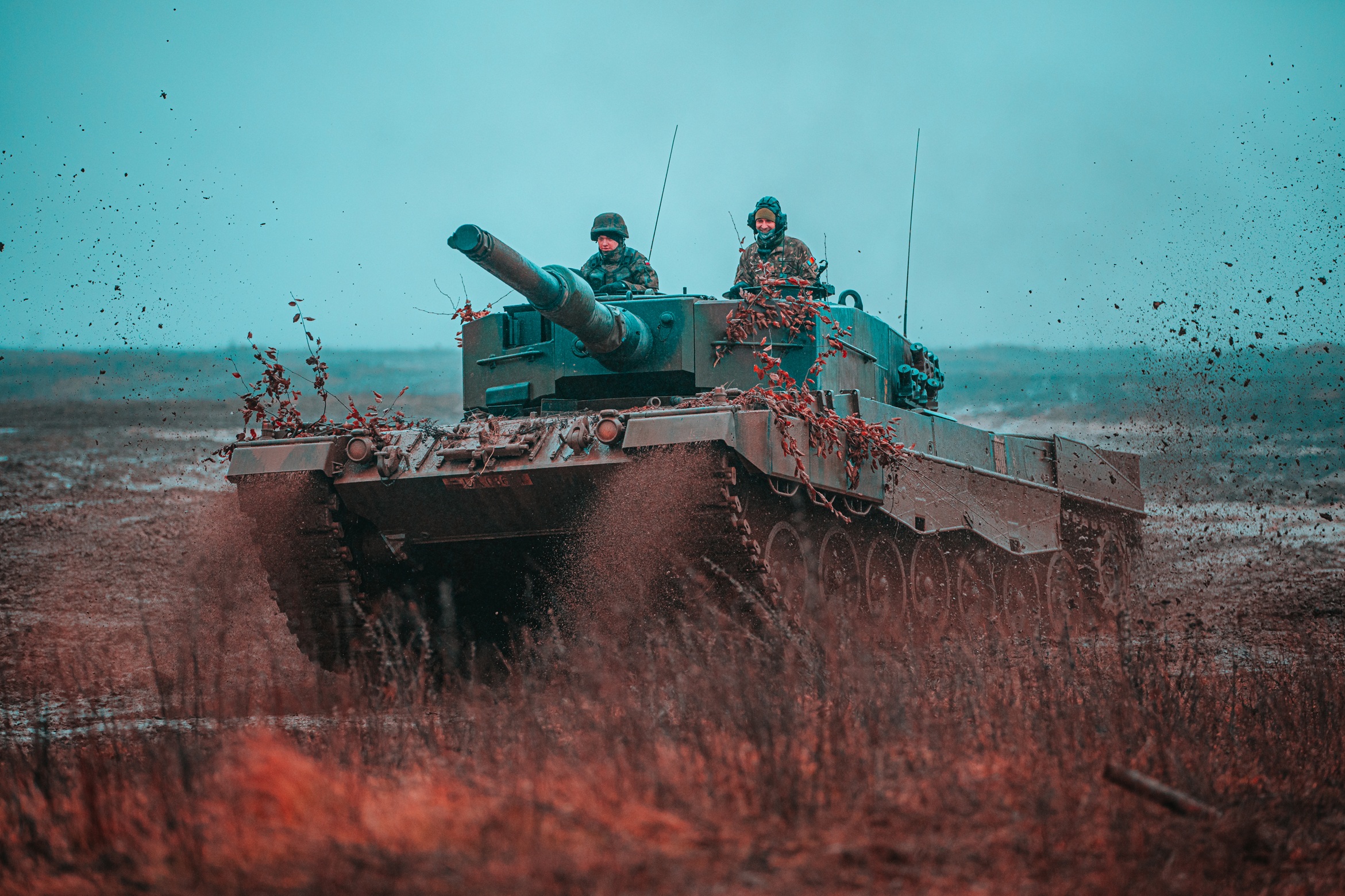
Due to financial constraints, Poland also dropped plans to deeply modernize the PT-91 and instead bought a limited number of Leopard 2A4s, later adding some 2A5s.
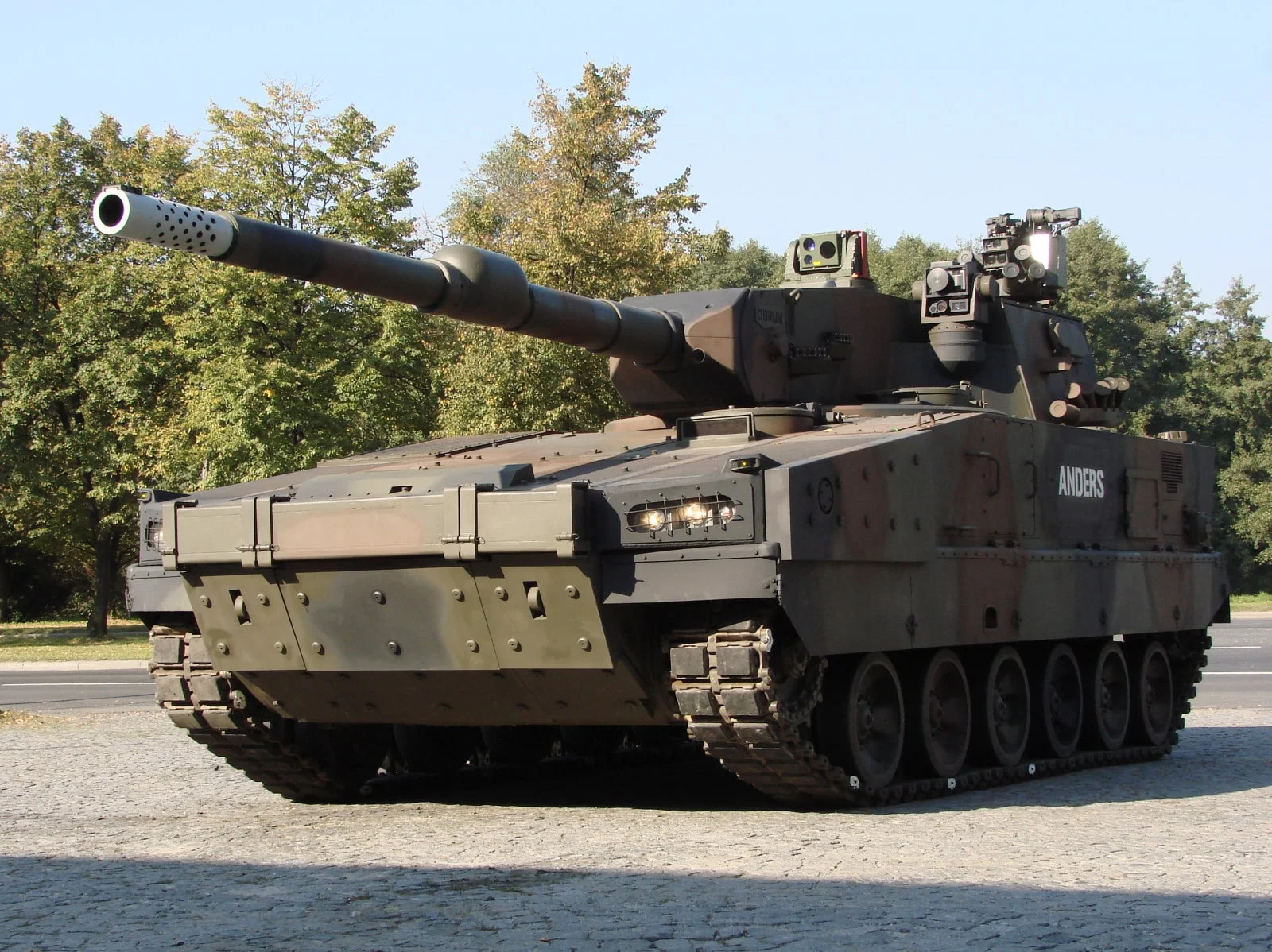
“They tried to develop a Polish medium tank — first there was the PCL-08 Anders, then the PL-01 concept mock-up, and finally the Gepard project, which over time evolved into a next-generation MBT concept,” Kucharski said. “There was a lack of money and political will.”
In response to why Poland abandoned its own tank design path, Kucharski said: “I think it was more a lack of imagination and patriotism than money. There simply wasn’t the will to develop a Polish tank, or even an international tank (with Ukraine, Italy…) with strong involvement from the Polish industry.”
He added, “I think lobbyists played a big role, and besides that, many Polish officers hate the Polish defense industry.”
Regarding the K2 production agreement, Kucharski noted: “Polish industry was supposed to get the K2 for production, but this wasn’t taken care of in the first executive agreement from 2022, only in the second agreement signed a few days ago. Even now the scope is limited.”
Kucharski emphasized: “As far as I know, it was the Polish side that was at fault — at various stages of negotiation, different Polish offices and companies outright sabotaged the talks. Besides, Poland didn’t have enough money for a large one-time purchase.”
Kucharski pointed out that the rushed 2022 acquisitions of Abrams and K2 tanks were driven by Poland’s large-scale transfer of tanks to Ukraine.
“Poland gave away hundreds of tanks (and not just tanks) to Ukraine. Very good — they went to the front to do what they were purchased for: to kill the enemies of the Republic. And if our tanks are doing that with Ukrainian crews rather than Polish ones — all the better.”
“But in return, we had to buy something,” he said. “That partly explains some decisions, even if they’re wrong in a broader context.”
On the broader transition to Western-style tanks, Kucharski pointed to logistical and supply-chain reasons. “Remember about standardization of components. For example, the West no longer produces W-46 engines for the T-72. Buying from India or Bosnia is risky. Same with tank ammunition: for 120mm you have a huge selection of modern rounds, for 125mm — only from Russia,” he explained.
“Purchasing ‘Western’ tanks (Korea is in the East!) means that in a crisis, we can receive ammunition. You know this issue from the Ukrainian army, right? The West sent Leopard tanks because they had spare parts for them — for the T-72, nothing.”
Responding to criticism that the K2 is too heavy and expensive, Kucharski said: “K2 is not a heavy tank, let’s be serious. Even the K2PL version will be about 10 tons lighter than the M1A2 SEPv3 with full equipment or the Leopard 2A8.”
“I think the K2 was chosen mainly because the manufacturer could quickly deliver tanks in the Korean version (with a Polish radio, that’s the K2GF version), and they offered a fairly broad technology transfer linked to licensed production.”
While acknowledging the transfer didn’t go smoothly, Kucharski reiterated: “As far as I know, the Polish side is to blame for that.”
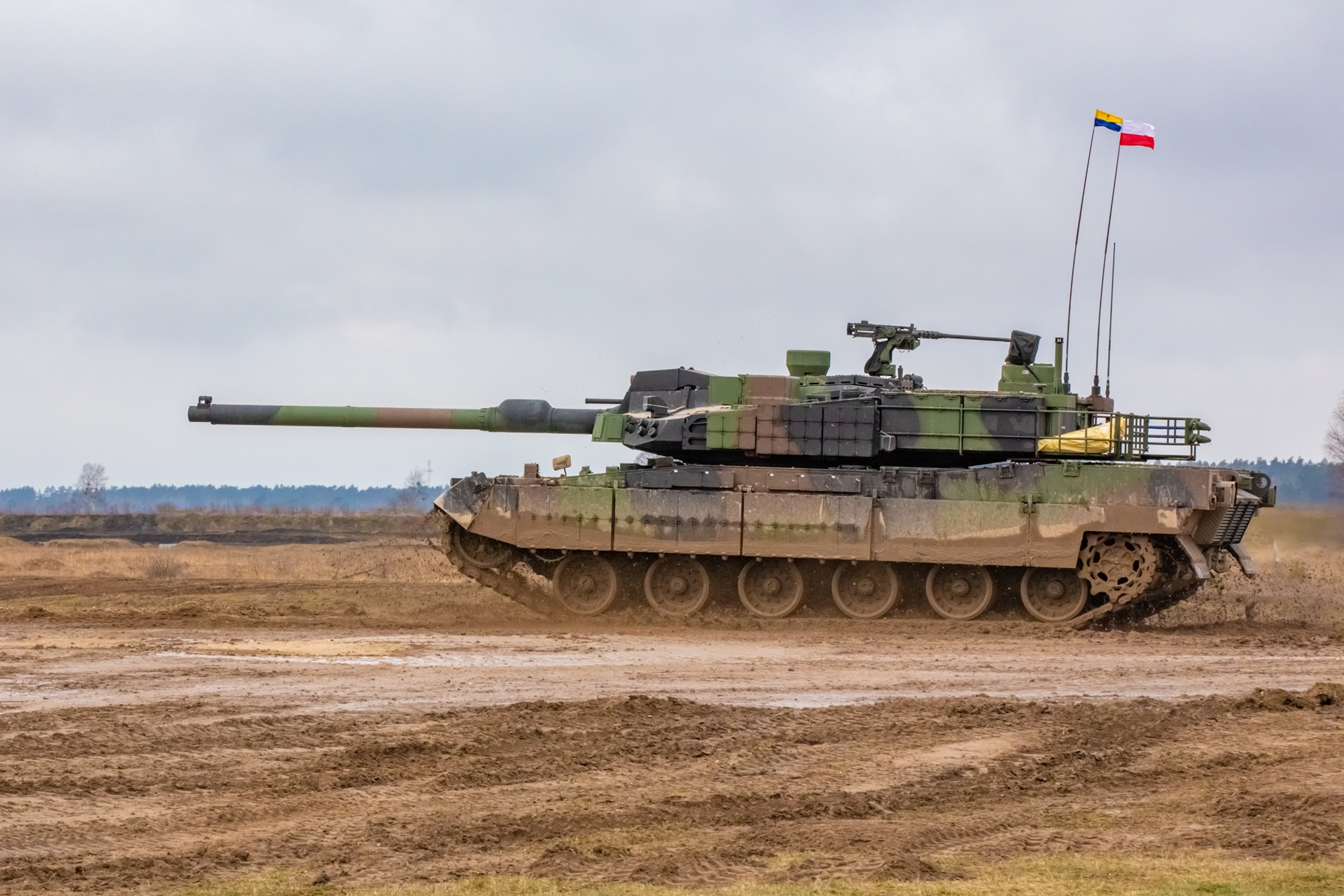
Kucharski also pointed to another factor that may shape the long-term direction of the K2PL program. “I also think that the final shape of the K2PL program may be influenced by the Korean side, which wants to maximize profits — after all, Seoul gives us loans for arms purchases,” he said.
Poland’s decision to move forward with K2PL production at Bumar-Łabędy is a major industrial milestone. But the path to that decision reflects decades of missed opportunities, financial trade-offs, and political hesitation. As Kucharski explained, Poland had the knowledge, experience, and even a roadmap to develop its own third-generation tank — but lacked the will, funding, and continuity to see it through.
Whether K2PL production in Gliwice can evolve beyond licensed assembly into a true Polish industrial capability remains to be seen.