

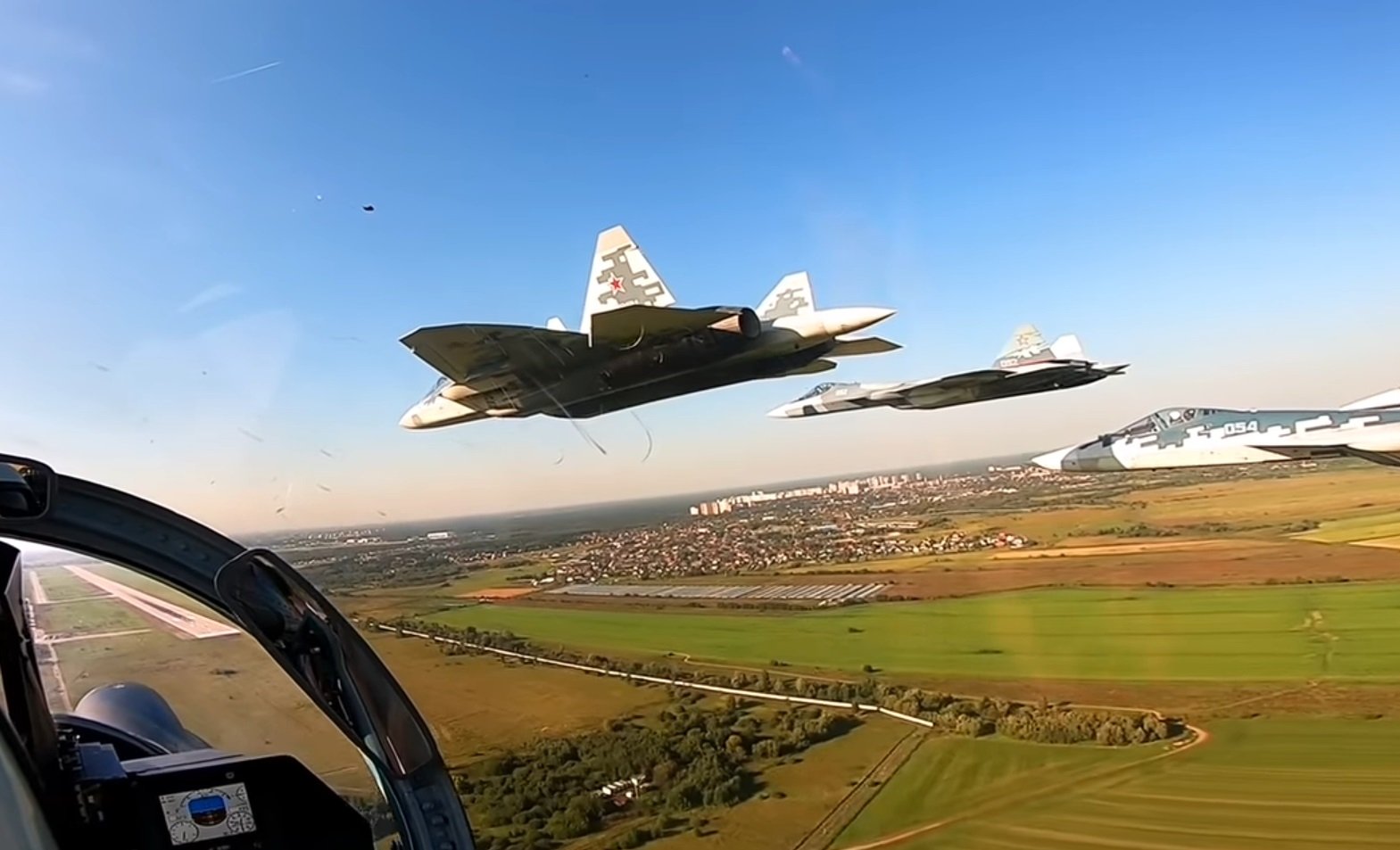
Russia has increasingly deployed its advanced Su-57 combat aircraft for missile strikes against Ukraine.
The Russian Armed Forces began using these state-of-the-art jets more actively in late February 2024, and the frequency of these strikes has continued to rise.
Over the past 30 days, Russian forces have launched more than 6 cruise missiles from Su-57 aircraft. These jets take off from an airbase near Akhtubinsk in the Astrakhan region and carry out missile attacks from the airspace over Kursk, Bryansk, and the occupied Luhansk region. The Su-57 jets are typically escorted by two Su-35 fighters.
For these deadly missions, the Su-57 uses the new Kh-69 stealthy cruise missile, referred to in the media as Russia’s answer to Germany’s Taurus and the Anglo-French Storm Shadow/Scalp missiles. The Kh-69 is a subsonic cruise missile developed specifically for the Su-57, designed to be carried in the aircraft’s internal weapon bays.
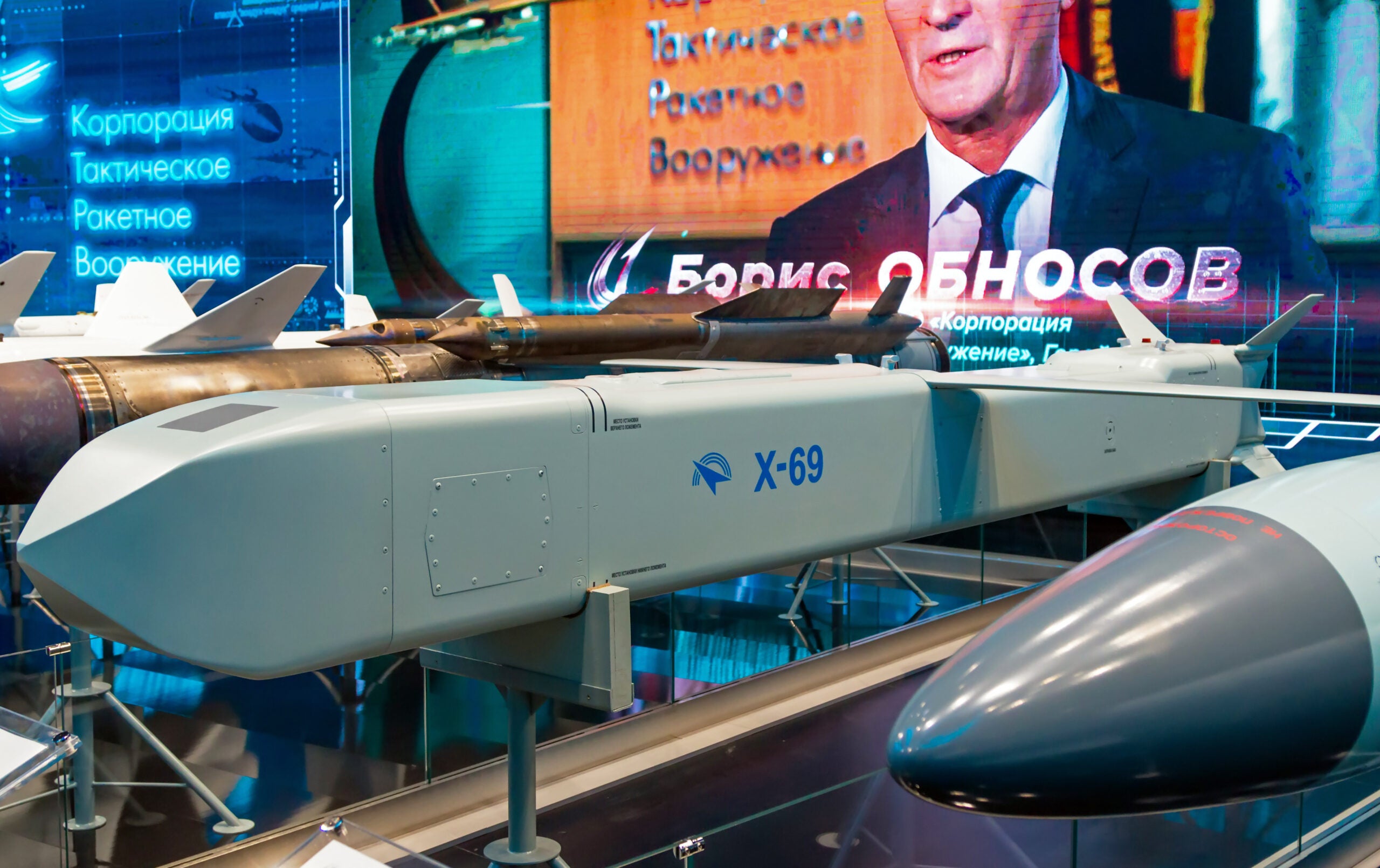
Current specifications of the Kh-69 indicate a range of up to 290 kilometers, though practical usage has shown it to be greater. The missile’s warhead weight is approximately 310 kilograms.

The use of Kh-69 missiles was confirmed by experts from the Kyiv Scientific Research Institute of Forensic Expertise of the Ministry of Justice of Ukraine (KFI) who examined the remains of these missiles after a February attack. Official reports also confirmed that Su-57 jets were used in the April strike on one of Ukraine’s largest power plants, the Trypilska plant.
In May, a Kh-69 missile was discovered in a forest near Kyiv. The missile had not exploded and posed a danger. The cause of its fall has not been officially disclosed.

The Su-57 Felon, developed by Sukhoi, is Russia’s fifth-generation stealth fighter, designed for a variety of combat scenarios against land, air, and maritime targets. It first flew in January 2010 and underwent combat testing in Syria in 2018.