

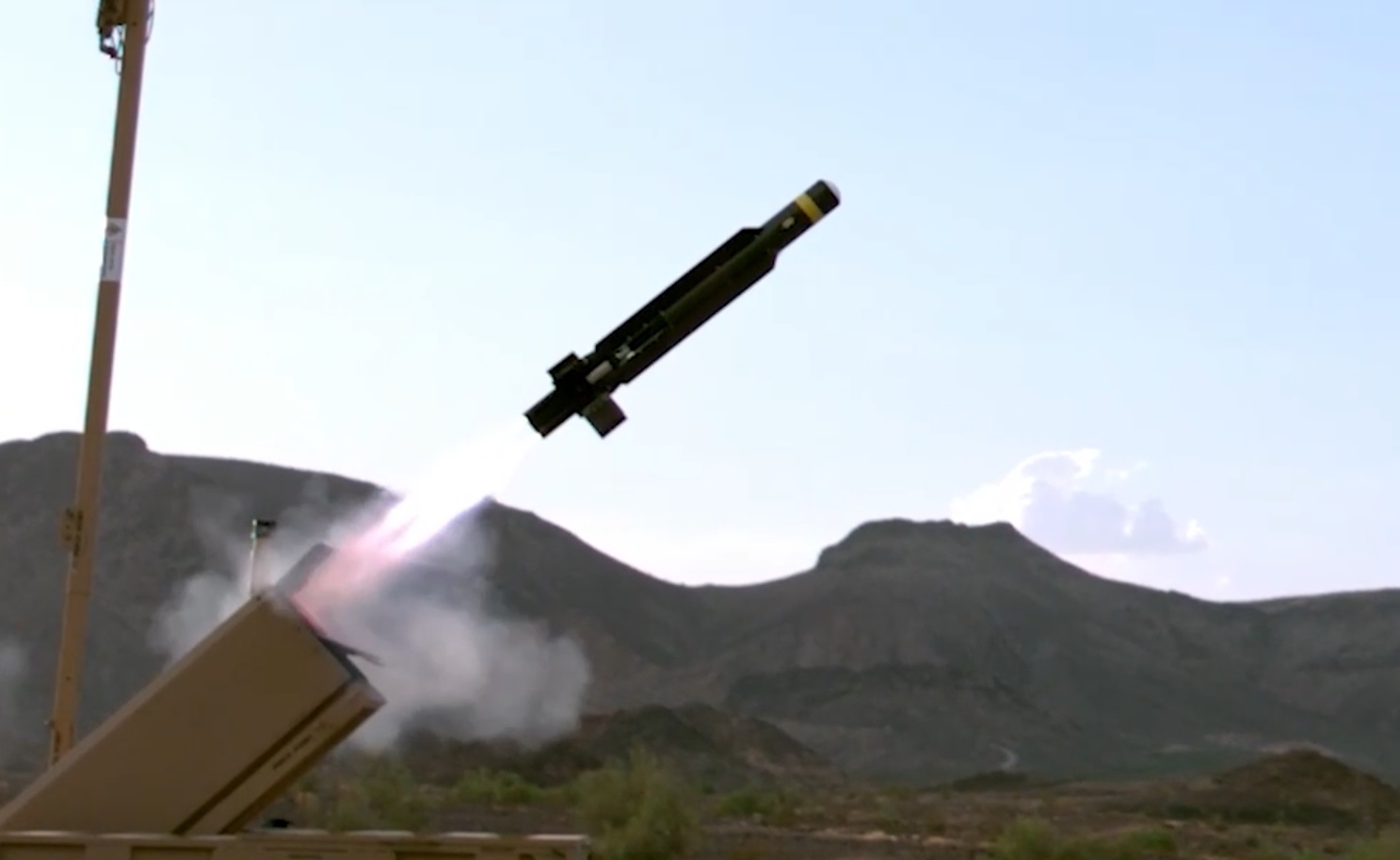
Raytheon, a part of RTX business, showcased the effectiveness of the Low, Slow, Small-Unmanned Aircraft Integrated Defense System (LIDS) during the U.S. Army’s annual summer testing period.
According to the company, international allied ground forces representatives joined U.S. Army officials to witness the live testing of this innovative counter-drone solution.
LIDS, powered by Raytheon’s Ku-band Radio Frequency Sensor (KuRFS) and the versatile Coyote family of effectors, delivers the critical detection and defeat capabilities required to counter drone threats effectively.
Following the successes in the Army’s 2021 and 2022 summer tests, KuRFS and Coyote once again excelled, meeting all test requirements against high-speed and agile targets.
Компанія Raytheon успішно продемонструвала можливості Low, slow, small-unmanned aircraft Integrated Defense System (LIDS) під час щорічних літніх випробувань армії США. pic.twitter.com/n1j6ZGcmu8
— Dylan Malyasov (@MalyasovDylan) October 26, 2023
Tom Laliberty, President of Land & Air Defense Systems at Raytheon, expressed his satisfaction, saying, “This marks another milestone in the proven track record of success and performance of our counter-UAS capabilities. As the threat of unmanned systems continues to grow, the performance and reliability of a complete C-UAS system are critical – and we remain committed to the continuous improvement of these systems to provide our customers with an effective solution to stay ahead of the threat.”
The KuRFS radar system, known for its persistent 360-degree coverage, successfully detected and tracked a complex swarm of over 30 unmanned aircraft vehicles in a stress test. The Coyote effector demonstrated its ability to defeat both single and swarm targets, showcasing reduced engagement times for multiple threat scenarios. These tests confirmed that recent hardware and software enhancements to both KuRFS and Coyote systems optimized their capabilities and performance.
The international interest in Raytheon’s counter-drone systems is substantial, with numerous allied countries expressing interest and seeking information and briefings. The U.S. Army is actively enhancing its counter-drone defenses by deploying LIDS. Raytheon secured an October 2022 contract to equip two Army divisions with LIDS. Additionally, a contract for an increased quantity of fixed site and mobile LIDS systems was awarded earlier this year to further support the U.S. Army’s Central Command. A third contract, aimed at outfitting a third Army division, was recently awarded.