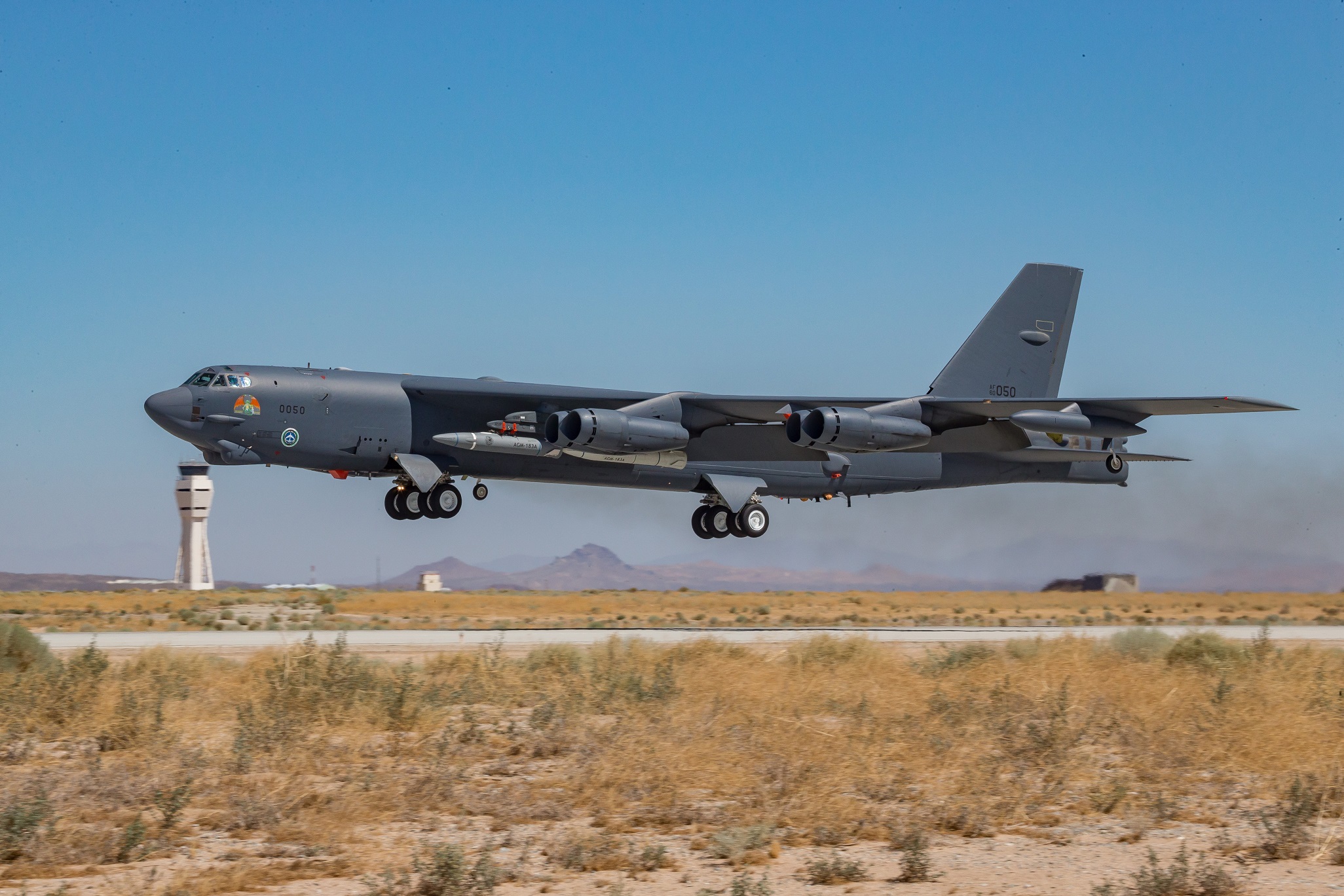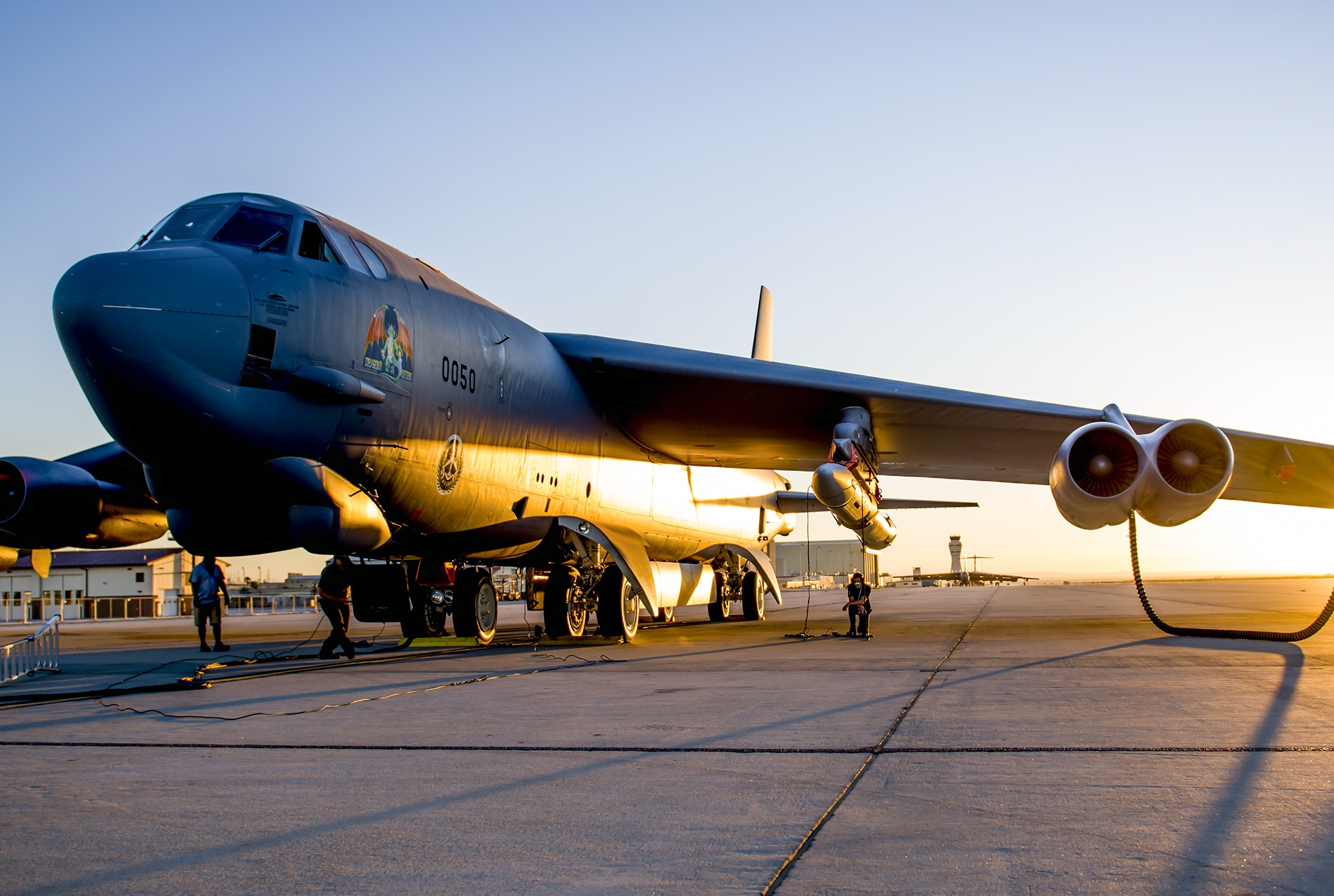
On Sunday, Pentagon’s No.1 weapons supplier Lockheed Martin Corp. has announced that the U.S. Air Force B-52H aircraft conducted a new captive-carry flight test of the AGM-183A Air-launched Rapid Response Weapon (ARRW) Instrumented Measurement Vehicle 2.
As noted by the company, on Dec. 19 an ARRW instrumented measurement vehicle (IMV) was flown captive-carry on a B-52H bomber out of Edwards Air Force Base in California. This was the sixth IMV flights, leading up to booster flight testing.
Also noted that on Oct. 23 and Oct. 29 were also conducted some flight tests of the new hypersonic conventional strike weapon.
These successful tests follow August’s instrumented measurement vehicle test and will obtain additional environmental data on the missile and its subsystems in response to those extreme conditions.
“The results from this flight will be instrumental to ensure the subsystems are qualified to the correct environmental levels,” said Mike O’Meara, Hypersonics Chief Engineer at Lockheed Martin Missiles and Fire Control.
The missile was built with tactical hardware and instrumented to collect thermal, mechanical and digital data from the flight vehicle through a telemetry stream and an on-board data recorder.
The benefits of a hypersonic weapon include rapid response, time critical capability that will overcome distance in contested environments using high speed and altitude. An operational hypersonic air-launched weapon enables the U.S. to hold high value, time-sensitive targets at risk in contested environments from stand-off distances.
“The program team continues to achieve critical milestones on the incremental path to a successful flight test campaign,” stated David Berganini, Boost-Glide Hypersonics Program Director, Lockheed Martin Missiles and Fire Control.
Lockheed Martin has played a significant role in the research, development and demonstration of hypersonic technologies for more than 30 years. Lockheed Martin has developed deep expertise in the engineering of hypersonic systems and associated challenges through its work with maneuvering reentry vehicles, air-breathing engine design, avionics, and aero/thermal flight sciences.