U.S. Engineers tests driverless Amphibious Assault Vehicle

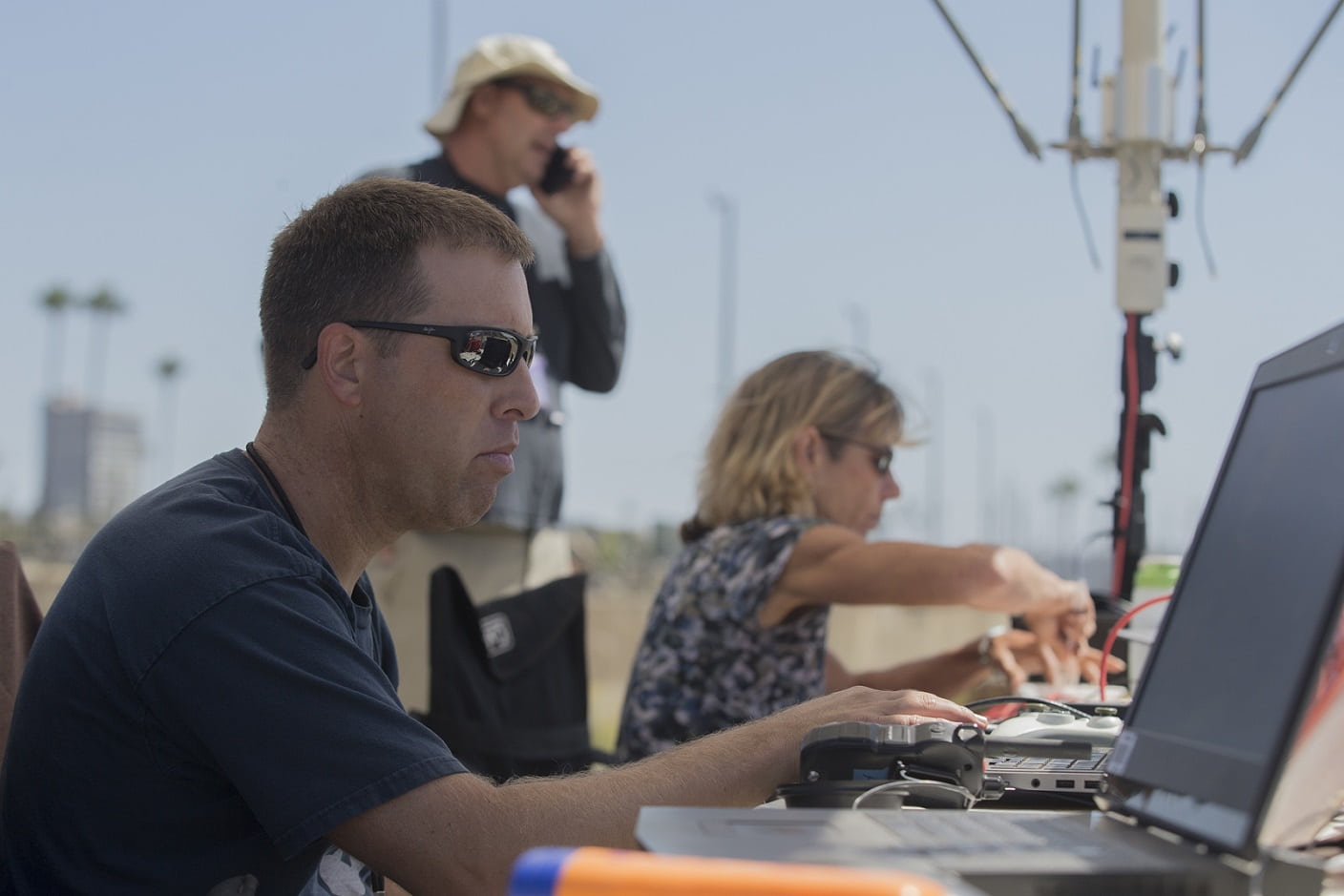
U.S. Engineers hold tests of an autonomous variant of the Amphibious Assault Vehicle, according to a Marine Corps Base Camp Pendleton news release.

The Naval Information Warfare Center Pacific tests their autonomy software system on an Amphibious Assault Vehicle provided by the Amphibious Vehicle Testing Branch at the Del Mar Boat Basin on Marine Corps Base Camp Pendleton, California, Sept. 23, 2019.

The Assault Amphibious Vehicle is a fully tracked amphibious landing vehicle designed to land the surface assault elements of the landing force and their equipment in a single lift from assault shipping during amphibious operations to inland objectives and to conduct mechanized operations and related combat support in subsequent mechanized operations ashore. At sea, a turbocharged diesel engine provides AAV vehicles with a cruising speed of 7 knots and the ability to negotiate 10-foot plunging surfs heading either seaward or to shore. On land, the proven torsion bar suspension and BAE Systems signature “Big Foot” track makes for outstanding mobility on all terrains at a top speed of 45 mph.

- ADVERTISEMENT - CONTINUE READING BELOW -

AAVs have a very diverse set of capabilities. They can be used for counter-terrorism, mechanized assault, as well as humanitarian assistance operations.

The autonomy software system allows for AAV’s to be remotely guided or navigate themselves into different terrain, to create a route and clear the way for troops on the ground.

This testing has been going on for two years, and continues to be developed to assist Marines in accomplishing the mission.
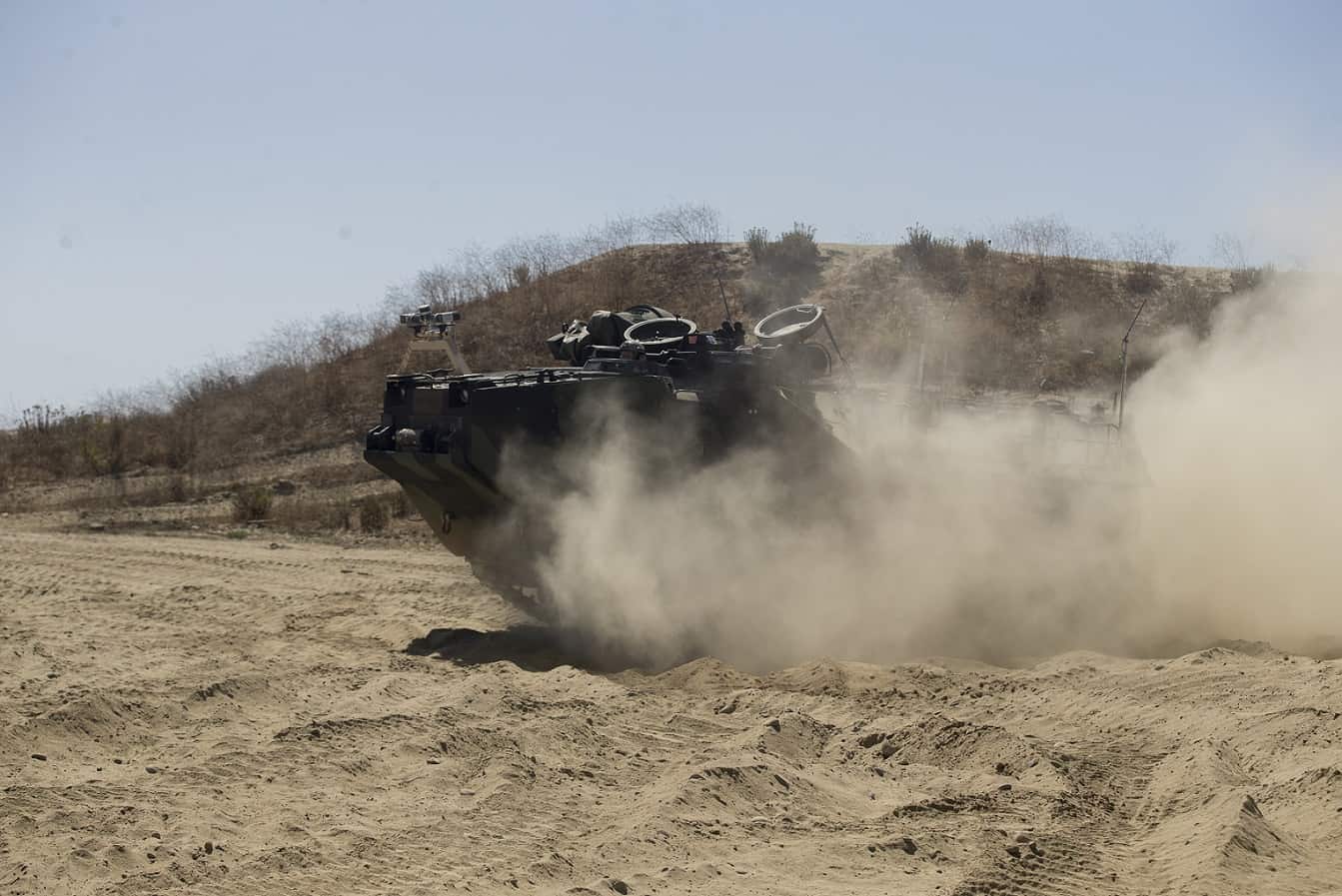
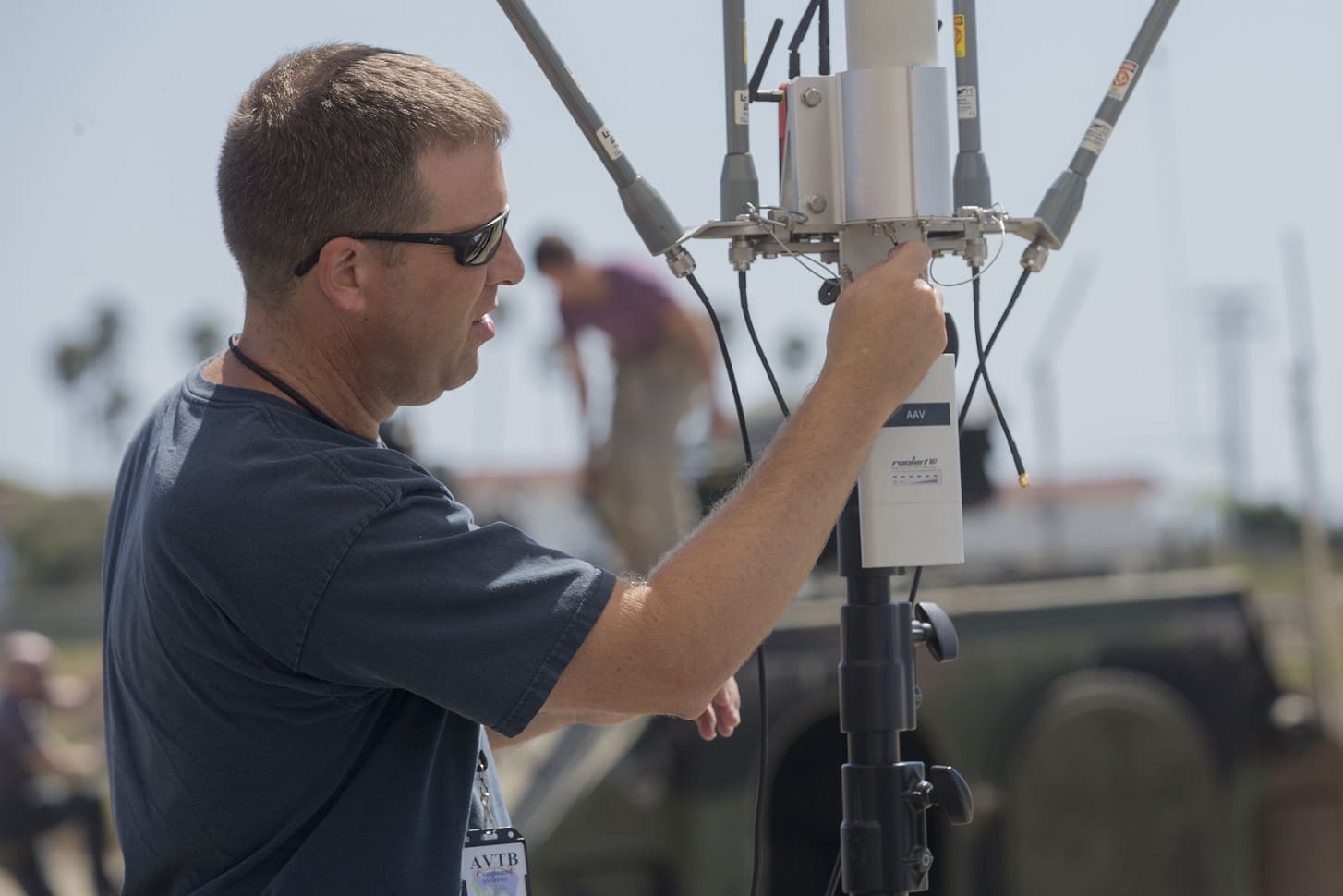
Photo by Master Sgt. Guadalupe Deanda

Readers who wish to follow our weekly coverage can subscribe to the Weekly Defense Roundup.

If you wish to report a grammatical or factual error in this article, please let us know by using the online form.

Executive Editor
  • In this story
  • USA

Support The Defence Blog

Independent reporting takes resources. Join us on Patreon.

Become a patron

More Like This

X-Bow pushes rocket motor output past 1,100 units

X-Bow Systems said Monday it has delivered more than 1,100 solid rocket motors, a sharp production milestone for a U.S. defense market trying to...

U.S. Navy tests 3D-printed fix to get fighter jets flying faster

Engineers at the Naval Air Warfare Center Aircraft Division and Fleet Readiness Center Southwest built a 3D-printing method that lets sailors repair cracked composite...

Colorado engineers tapped to help design U.S. Air Force’s rocket cargo system

A two-person engineering firm in a small Colorado town just picked up a $4.3 million contract to help the Air Force answer a question...

U.S. Space Force funds system that warns troops about incoming missiles

Northrop Grumman secured a $49 million contract from U.S. Space Systems Command to provide sustainment services for the Joint Tactical Ground Station, a network...

Boeing wins $50M to extend AGM-86 nuclear cruise missile

Boeing secured a $49.5 million contract from the Air Force Nuclear Weapons Center on June 30, 2026, to remanufacture the electronic flight controllers and...