

U.S. defense giant Lockheed Martin said on Monday it had got a new order for producing and delivering additional fields next-generation radar systems to the U.S. Army.
Lockheed Martin has received three contracts to produce additional Q-53 systems and outfit the radar with enhanced capabilities, including extended range and counter unmanned aerial system (CUAS) surveillance. The flexible architecture of the Army’s most modern radar allows for these upgrades, which support adaptable growth of the system to address aircraft, drone and other threats in the future.
“We realize the warfighter needs new and improved capabilities. The Q-53 represents a fast path to respond to current and emerging threats,” said Rick Herodes, director of the Q-53 program at Lockheed Martin. “The flexibility of the architecture continues to allow the Q-53 to provide capabilities far beyond the original mission and allows for additional upgrades in the future.”
The Army awarded Lockheed Martin a contract for a third lot of 15 Full Rate Production systems. Once this contract is delivered the Army will own 189 Q-53 systems. The Lot 3 systems will continue to be produced using gallium nitride (GaN) transmit-receive modules. This will provide the radar with additional power, reliability and the possibility for enhanced capabilities including extended range, counterfire target acquisition (CTA) and multi-mission, which delivers simultaneous CTA and air surveillance.
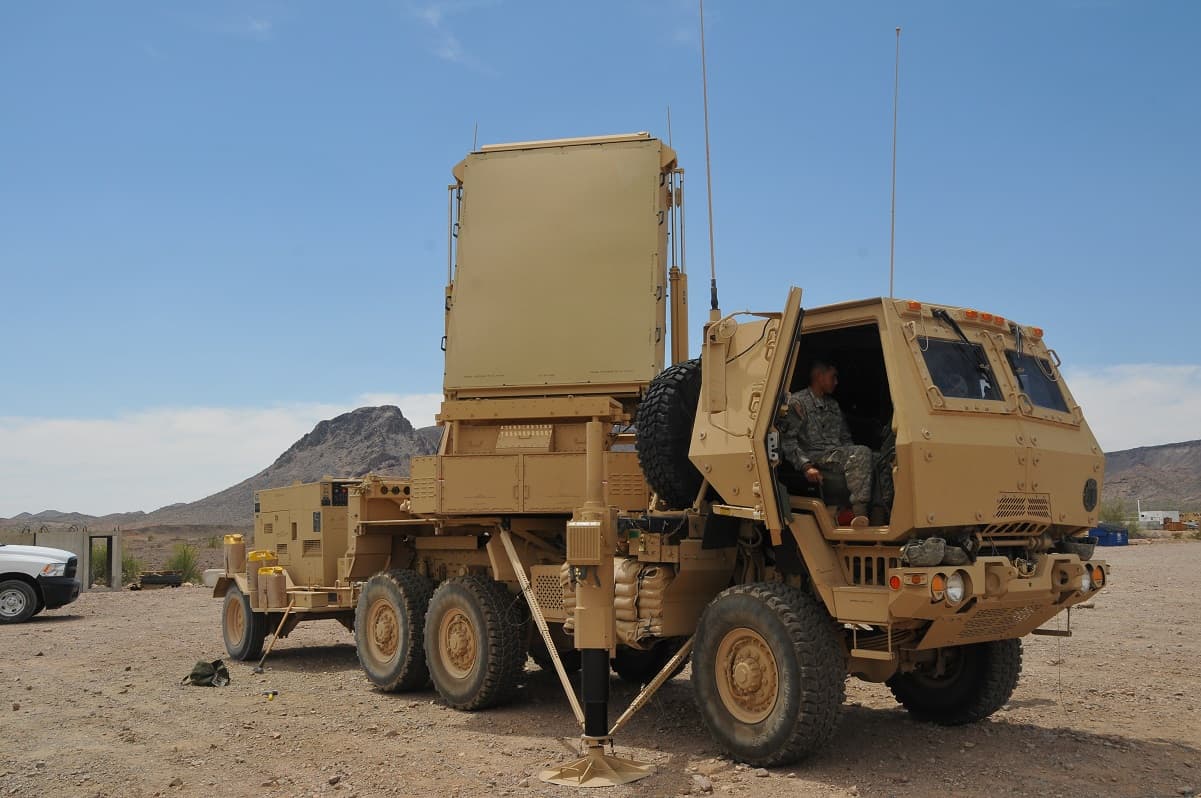
The truck-based Q-53 system detects incoming rounds surrounding its location, both warning Soldiers of the imminent barrage and allowing them to pinpoint return fire.
The system can differentiate between different types of shells, and Soldiers are able to operate the rapidly swiveling radar dish from inside the cab of its prime mover or remotely. The large radar dish is powered by a towed generator and is accompanied by a single support vehicle, making it easier to transport and emplace than its predecessor.