


- Ukraine’s Security Service said long-range drones struck Russian air defense systems and a MiG-31 interceptor at the Belbek air base in occupied Crimea.
- The SBU reported damage to Nebo-SVU radars, an S-400 fire-control radar, a Pantsir-S2 system, and a MiG-31 aircraft, with total losses estimated in the hundreds of millions of dollars.
Ukraine’s Security Service (SBU) said long-range strike drones overnight hit Russian air defense systems and a combat aircraft at the Belbek military air base in Russian-occupied Crimea, damaging equipment valued at hundreds of millions of dollars.
According to a statement from the SBU, long-range drones operated by the Alfa Special Operations Center struck key elements of Russia’s air defense network deployed at the Belbek airfield. The base is located in Crimea, which Russia occupied and later claimed to annex, a move not recognized by Ukraine or most of the international community.
The SBU said the operation was carried out during the night and focused on air defense assets protecting the airfield. In a release, the service said Ukrainian drones carried out targeted strikes against several high-value systems.
As noted by the SBU, the following equipment was hit during the attack:
- two Nebo-SVU long-range early warning radar systems, with the price of one estimated at about $60–100 million;
- a 92N6 radar, which is a component of the S-400 Triumf surface-to-air missile system, with an estimated price of about $30 million for the domestic Russian market and up to $60 million for export;
- a Pantsir-S2 air defense system, with an estimated price of about $12 million for the domestic market and up to $19 million for export;
- a MiG-31 fighter aircraft with a full combat load, with an estimated price of $30–50 million depending on configuration and weapons.
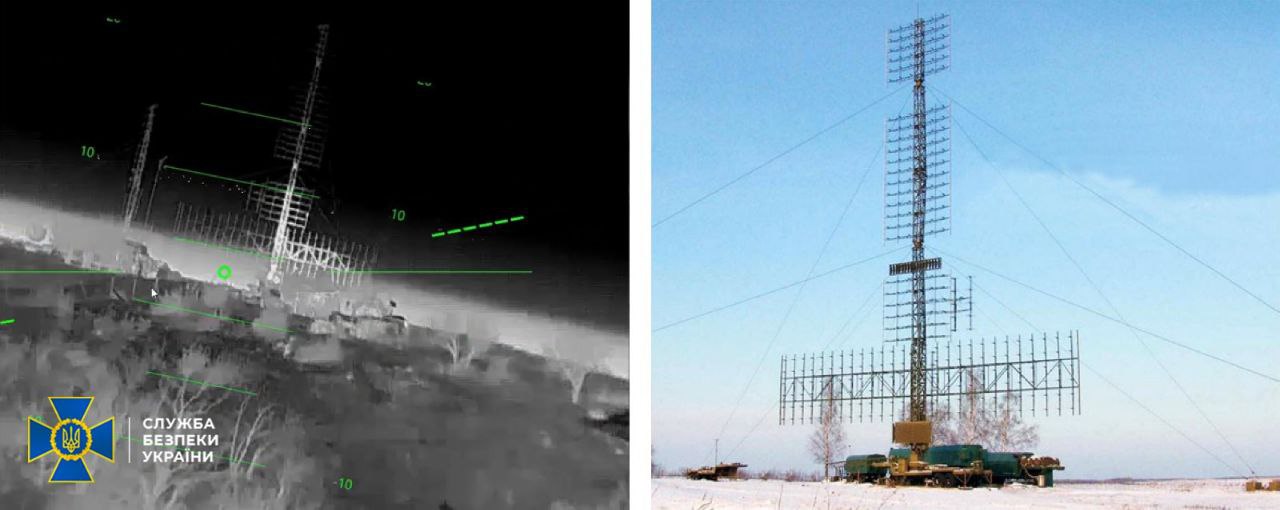
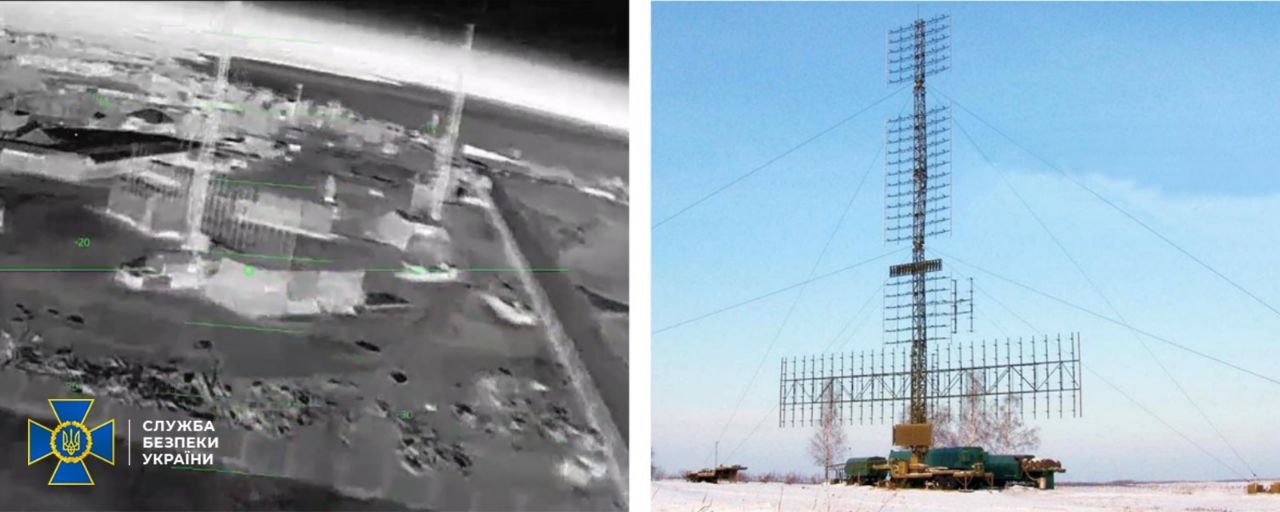
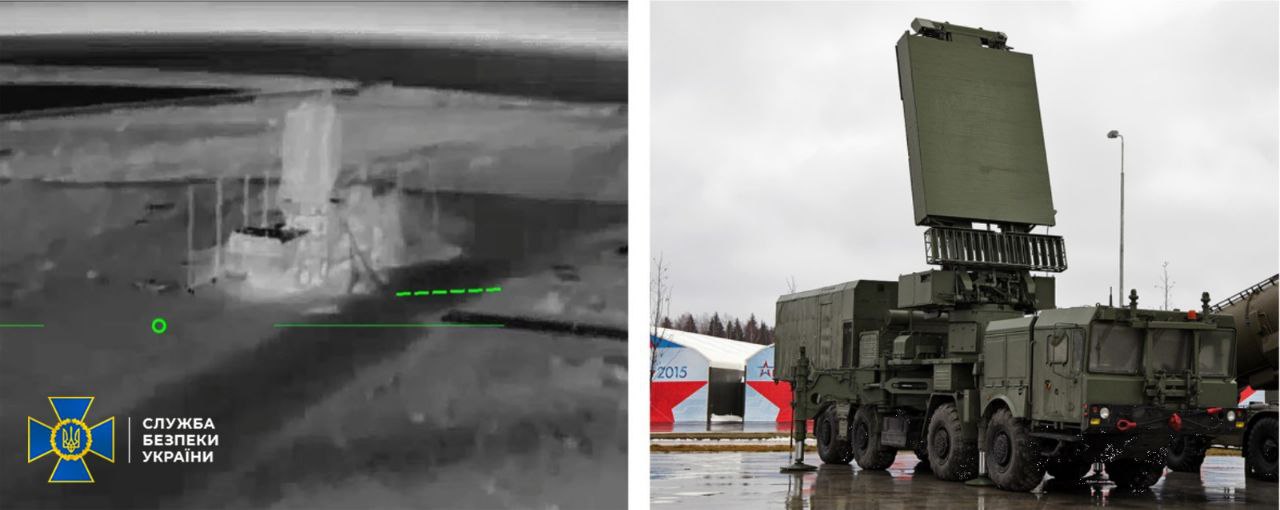
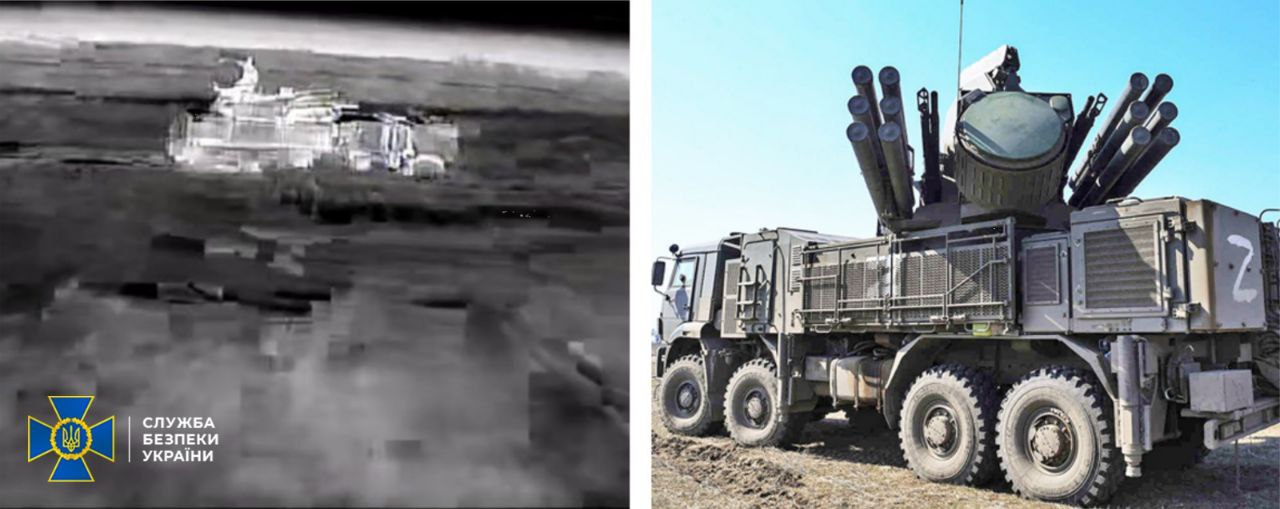
The service said the MiG-31 was destroyed on the ground together with the air defense systems that were providing cover for the aircraft at the time of the strike.
According to a press release from the SBU, the operation is part of an ongoing campaign aimed at dismantling Russian air defense systems in Crimea. The agency said these systems are used to protect key military and logistical facilities supporting Russian forces.
“The SBU continues effective work to destroy air defense systems in Crimea that cover important military and logistical facilities of the occupiers,” the statement said. “The elimination of elements of this layered system substantially weakens the defense and military capabilities of the enemy in the Crimean direction.”
The MiG-31 is a long-range interceptor designed during the Soviet era and still used by Russia for air defense and strike missions, including the carriage of long-range missiles. The aircraft is considered an important element of Russia’s air defense posture, particularly in areas covering strategic infrastructure.
The Nebo-SVU radar systems are designed for long-range detection of aerial targets, including aircraft and some missile types, while the S-400 and Pantsir-S2 systems form part of Russia’s layered air defense architecture, combining long-, medium-, and short-range coverage.