

The U.S. Army continues to refine requirements of next-generation ballistic missile performance, said in a report issued by Government Accountability Office last week.
“In December 2018, the Army increased the range requirement from 300 to 400 kilometers and launcher quantities from one to two,” the Government Accountability Office said in a report.
The Army’s next-generation ballistic missile, calls the Precision Strike Missile (PrSM), designed to attack area and point targets at planned ranges of 400 kilometers or more.
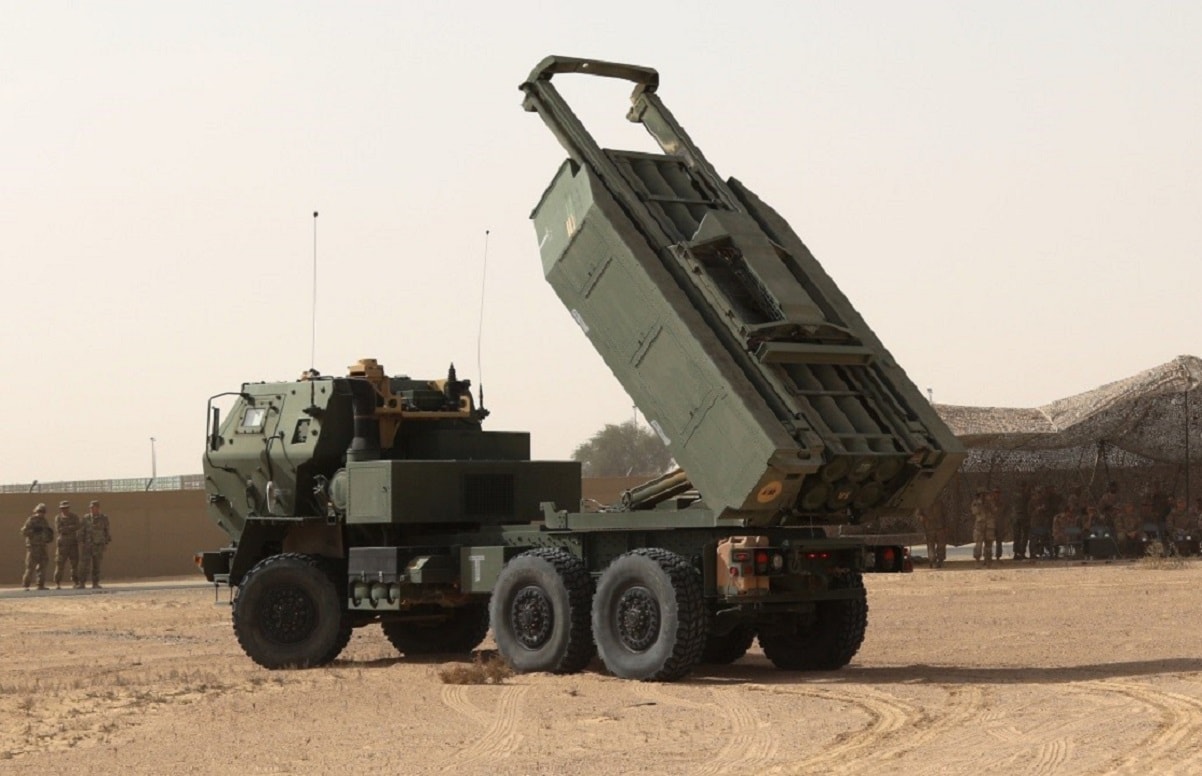
The Army anticipates that each PrSM missile container will hold two missiles for launch. In report said that the Army plans to design PrSM, as one of a family of munitions, to be compatible with existing M142 and M270A2 rocket launcher systems and to comply with statutory requirements for insensitive munitions and Defense Department policy on cluster munitions.
According to Army’s officials, the PrSM provides field artillery units with long range and deep strike capability while supporting brigade, division, corps, Army, theater, joint/coalition forces and Marine Air-Ground Task Forces in full, limited or expeditionary operations.
The Army identified PrSM as a priority and has accelerated the missile’s acquisition schedule to provide an early capability in fiscal year 2023. However, the missile will be usable only from the M142 launcher by then. A program official stated that legacy systems on the M270 launcher need to be updated before PrSM software can be integrated.
According to the program office, the current timeline reflects acceleration of the approved schedule, in accordance with Army leadership’s desire to field a capability in fiscal year 2023, complete testing in fiscal year 2024, and begin full rate production.