

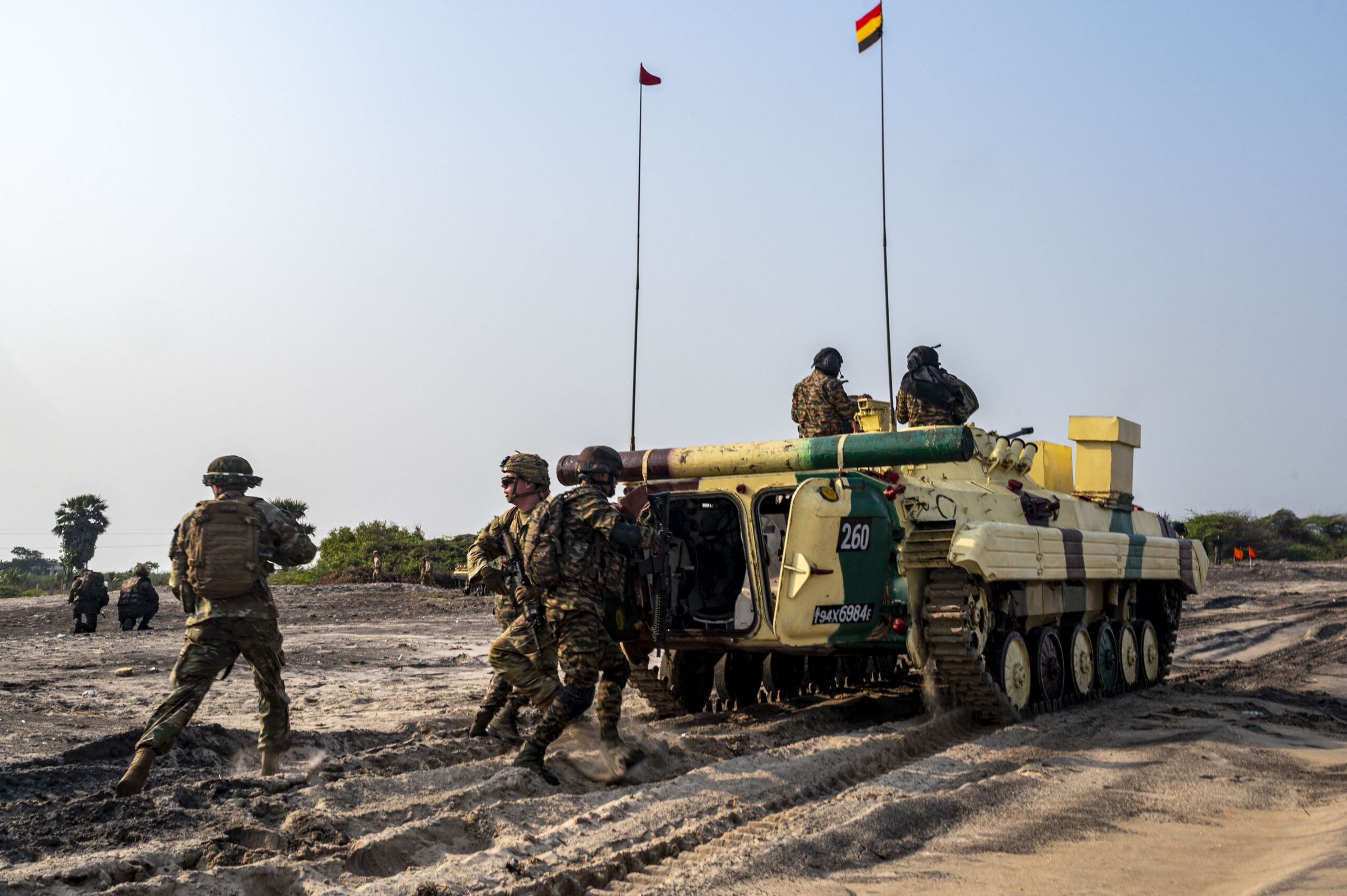
- The United States and India signed a 10-year defense framework agreement during a meeting between Pete Hegseth and Rajnath Singh in Kuala Lumpur.
- The pact aims to expand military cooperation, intelligence sharing, and technology development across both nations’ armed forces.
The United States and India signed a new 10-year defense framework agreement on Friday, reinforcing their military cooperation despite ongoing trade disputes.
The announcement was made by U.S. Secretary of War Pete Hegseth following a bilateral meeting with Indian Defence Minister Rajnath Singh on the sidelines of the ASEAN Defence Ministerial Summit in Kuala Lumpur, Malaysia.
“I just met with Rajnath Singh to sign a 10-year U.S.-India Defense Framework,” Hegseth said in a social media post, calling the new arrangement “a cornerstone for regional stability and deterrence.” He added, “We’re enhancing our coordination, info sharing, and tech cooperation. Our defense ties have never been stronger.”
The agreement outlines a roadmap for expanded military collaboration, aimed at strengthening joint capabilities in intelligence, technology development, and operational coordination. According to Hegseth, “This 10-year U.S.-India Defence Framework is ambitious. It’s a significant step for our two militaries, a roadmap for deeper and even more meaningful collaboration ahead. It underscores America’s long-term commitment for our shared security and our strong partnership.”
Defence Minister Rajnath Singh echoed this sentiment, calling the agreement the beginning of a “new chapter” in U.S.-India relations. “I am confident that under your leadership, India-U.S. relations will further strengthen,” Singh said during the meeting.
The timing of the agreement is noteworthy. It follows Washington’s decision in August to double tariffs on Indian goods to 50%, escalating trade tensions between the two nations. Despite this, defense and strategic cooperation appear insulated from the broader economic friction.

The meeting in Kuala Lumpur comes as both countries continue a series of high-level engagements, spanning trade, defense, and political dialogue. It also reflects a broader effort by Washington and New Delhi to deepen bilateral security cooperation across the Indo-Pacific, a region of growing strategic competition.
According to Hegseth, the new framework reflects the U.S. commitment “to deliver operational capabilities that matter most to our shared interests.” The agreement is expected to facilitate enhanced logistics, streamlined interoperability, and co-development of critical defense technologies.
This framework adds momentum to the U.S. Indo-Pacific strategy and supports India’s role as a strategic partner. The two countries have previously expanded cooperation in areas like maritime domain awareness, cybersecurity, and joint military exercises.
With increasing geopolitical friction across multiple theaters, strengthening ties with India enhances the resilience of U.S. alliances, expands defense industry partnerships, and aligns two of the world’s largest democracies around shared security objectives.
The U.S. sees India not only as a regional partner but as a key player in maintaining a free and open Indo-Pacific. The defense agreement sends a clear signal to regional actors—including China—that Washington and New Delhi are prepared to work more closely in addressing emerging threats.