

Russian surface-to-air missile systems took part in recent U.S. Air Force exercise

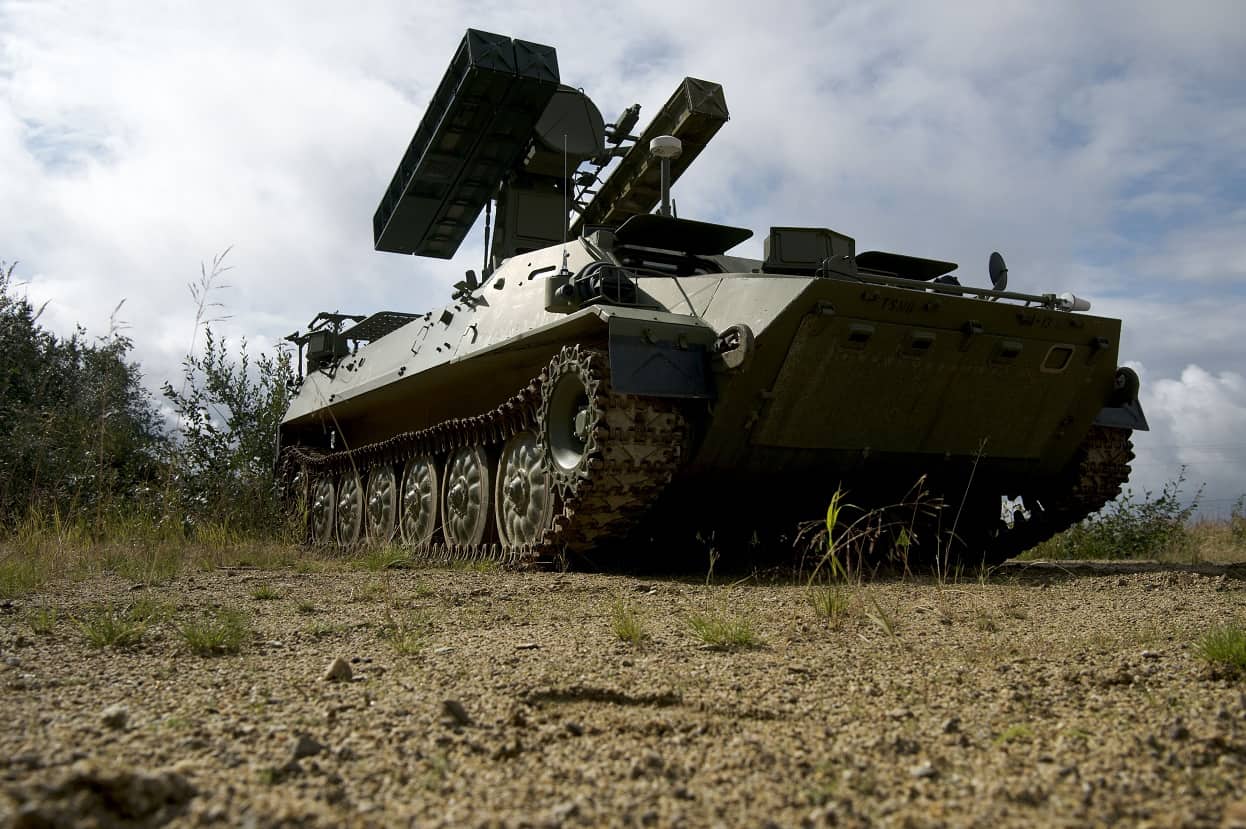
Russian-developed SA-8 “Gecko” and SA-13 “Gopher” surface-to-air missile systems took part in the recent U.S. Air Force exercise in Alaska.

The surface-to-air missile systems sit in the Yukon Training Area near Eielson Air Force Base during a large-scale field training exercise, called RED FLAG-Alaska. RF-A is an annual U.S. Pacific Air Forces-directed field training exercise that enables U.S. and international partners to develop and improve combined interoperability through safe and effective mission planning and execution.

The Soviet-era SA-8 “Gecko” and SA-13 “Gopher” systems on the ground are used to replicate various threats for aircraft participating in RED FLAG-Alaska and are essential to ensuring a realistic training experience and enhancing overall readiness for the aircrew.

- ADVERTISEMENT - CONTINUE READING BELOW -

Combining the air and land territories allows for some of the most comprehensive, realistic training scenarios in the world.

All participants will leave RED FLAG-Alaska better prepared to respond to real-world threats in the ever-changing landscape of modern warfare.

In addition to the U.S., service members from the U.K. Royal Air Force (RAF), Royal Australian Air Force (RAAF), and Royal Canadian Air Force (RCAF) are scheduled to participate, enabling them to exchange tactics, techniques and procedures while improving interoperability with fellow airmen. The majority of aircraft will be based at, and fly from, Eielson Air Force Base and Joint Base Elmendorf-Richardson, Alaska.
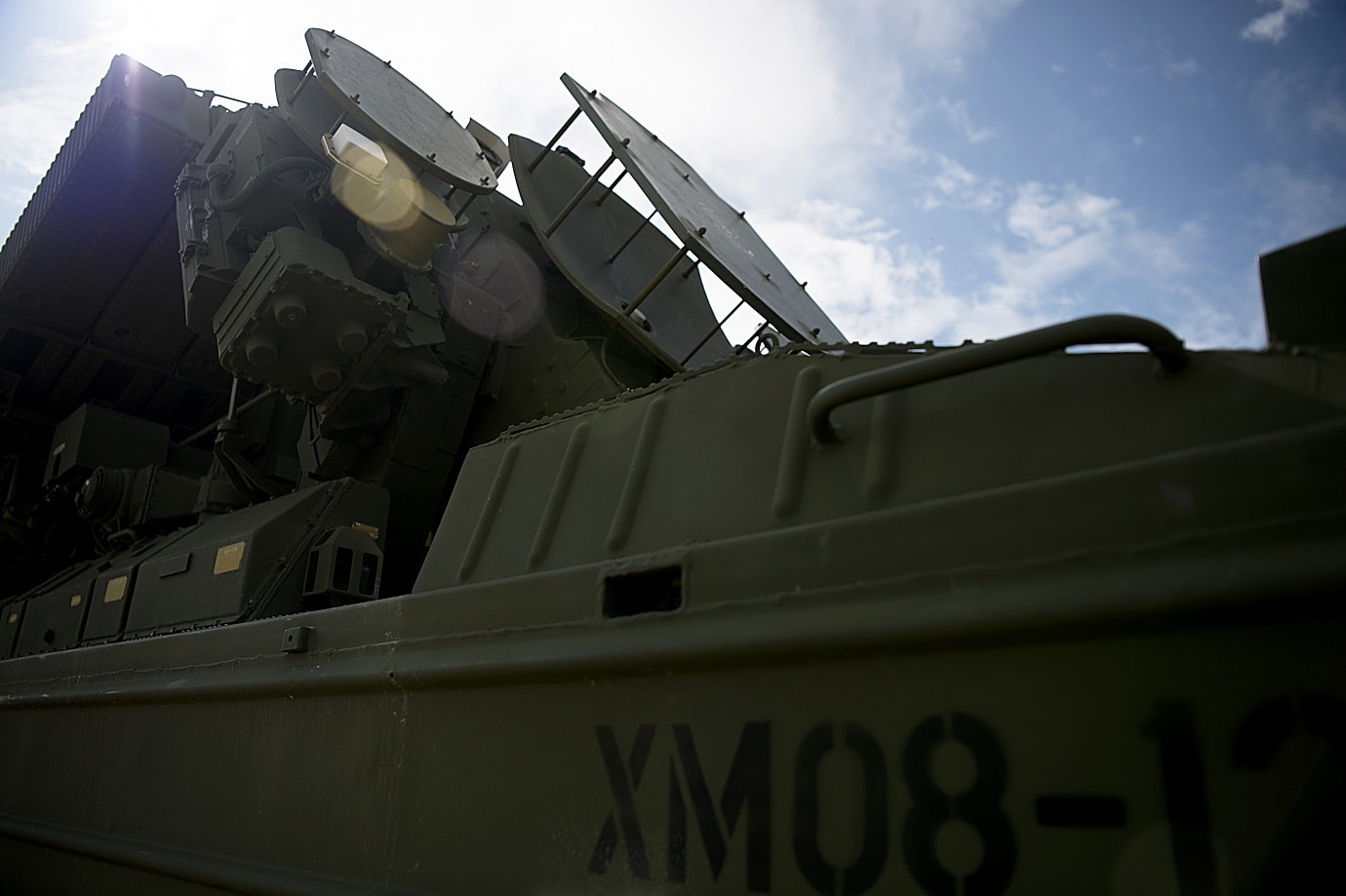
A SA-8 Surface-to-Air missile system sits in the Yukon Training Area near Eielson Air Force Base. Photo by Senior Airman Isaac Johnson

Readers who wish to follow our weekly coverage can subscribe to the Weekly Defense Roundup.

If you wish to report a grammatical or factual error in this article, please let us know by using the online form.

Executive Editor
  • In this story
  • USA

Support The Defence Blog

Independent reporting takes resources. Join us on Patreon.

Become a patron

More Like This

U.S. Army Reserve tests Pyka’s autonomous cargo aircraft in live exercise

Pyka's autonomous cargo aircraft DropShip flew a 32 km (20-mile) resupply mission entirely without a human pilot from Gulfport to Diamondhead, Mississippi, then executed...

Mayman Aerospace CEO: autonomous drones must replace helicopters in contested battlespace

At 3 a.m. in a contested forward operating base, a patrol thirty kilometres out is taking casualties. They need blood, plasma, and ammunition, not...

U.S. Army buys more of its toughest Arctic combat vehicle

The U.S. Army awarded BAE Systems Land and Armaments a $35 million contract modification on June 30, 2026, for additional production of the general-purpose...

AEVEX wins $50M deal for GPS-resistant strike drones

AEVEX Corp. secured a $50 million contract from the United States Air Force on June 30, 2026, to continue expanding unmanned mission-support capabilities for...

U.S. Air Force spends $471M to fix tanker parts supply problem

The U.S. Air Force awarded a combined $471 million in contracts to 28 different companies on a single day, spreading the work of exchanging...