

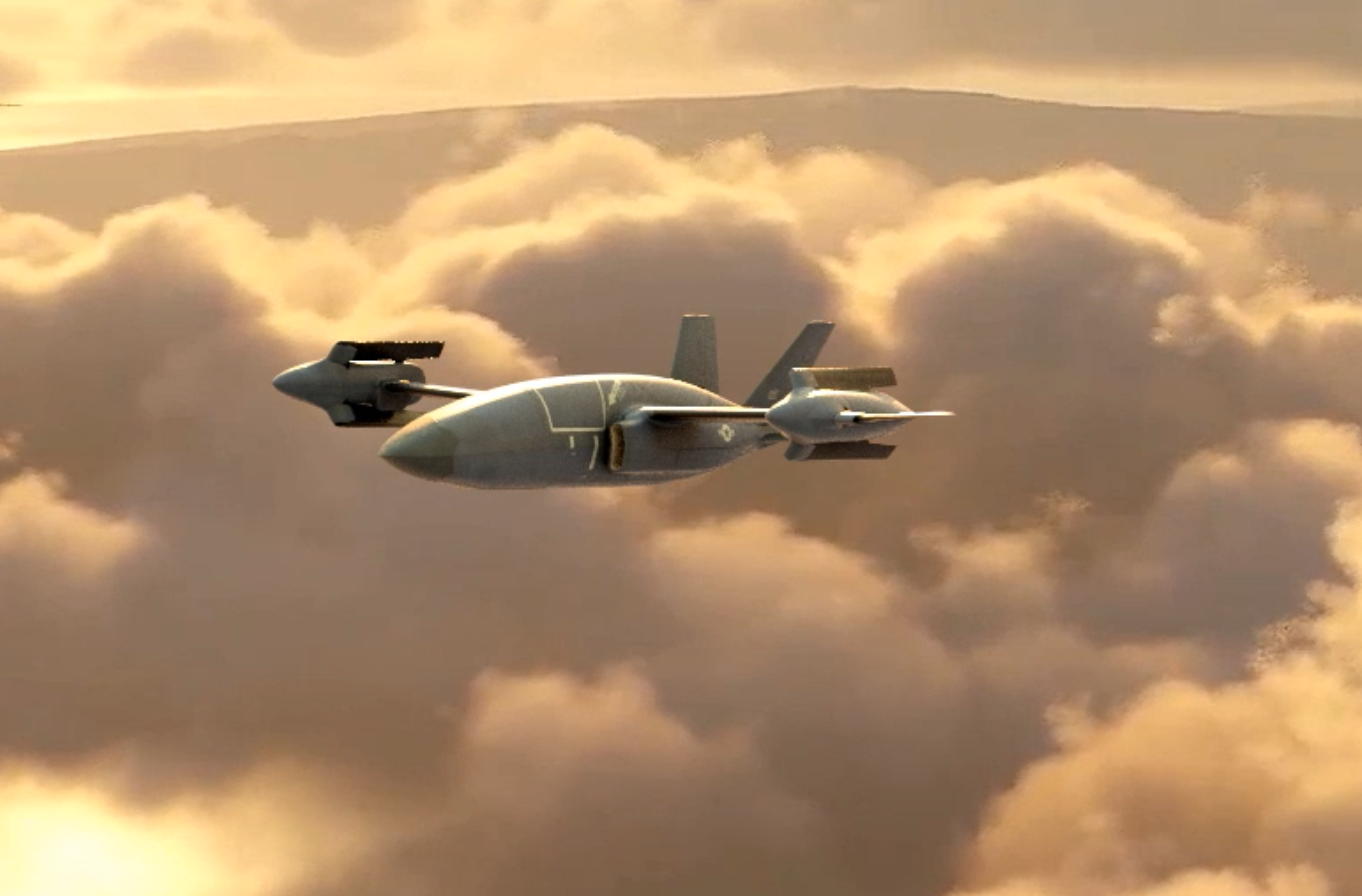
The Bell helicopter maker, part of American conglomerate Textron, is rolling out a new concepts of future High-Speed Vertical Take-Off and Landing (HSVTOL) aircraft.
Bell announced Monday the unveiling of design concepts for new aircraft systems for military applications which would use Bell’s HSVTOL technology as the company continues its innovation of next generation vertical lift aircraft.
As noted by the company, HSVTOL technology blends the hover capability of a helicopter with the speed, range and survivability features of a fighter aircraft.
“Bell’s HSVTOL technology is a step change improvement in rotorcraft capabilities,” said Jason Hurst, vice president, Innovation. “Our technology investments have reduced risk and prepared us for rapid development of HSVTOL in a digital engineering environment, leveraging experience from a robust past of technology exploration and close partnerships with the Department of Defense and Research Laboratories.”
Bell’s HSVTOL design concepts include the following features:
- Low downwash hover capability
- Jet-like cruise speeds over 400 kts
- True runway independence and hover endurance
- Scalability to the range of missions from unmanned personnel recovery to tactical mobility
- Aircraft gross weights range from 4,000 lbs. to over 100,000 lbs.
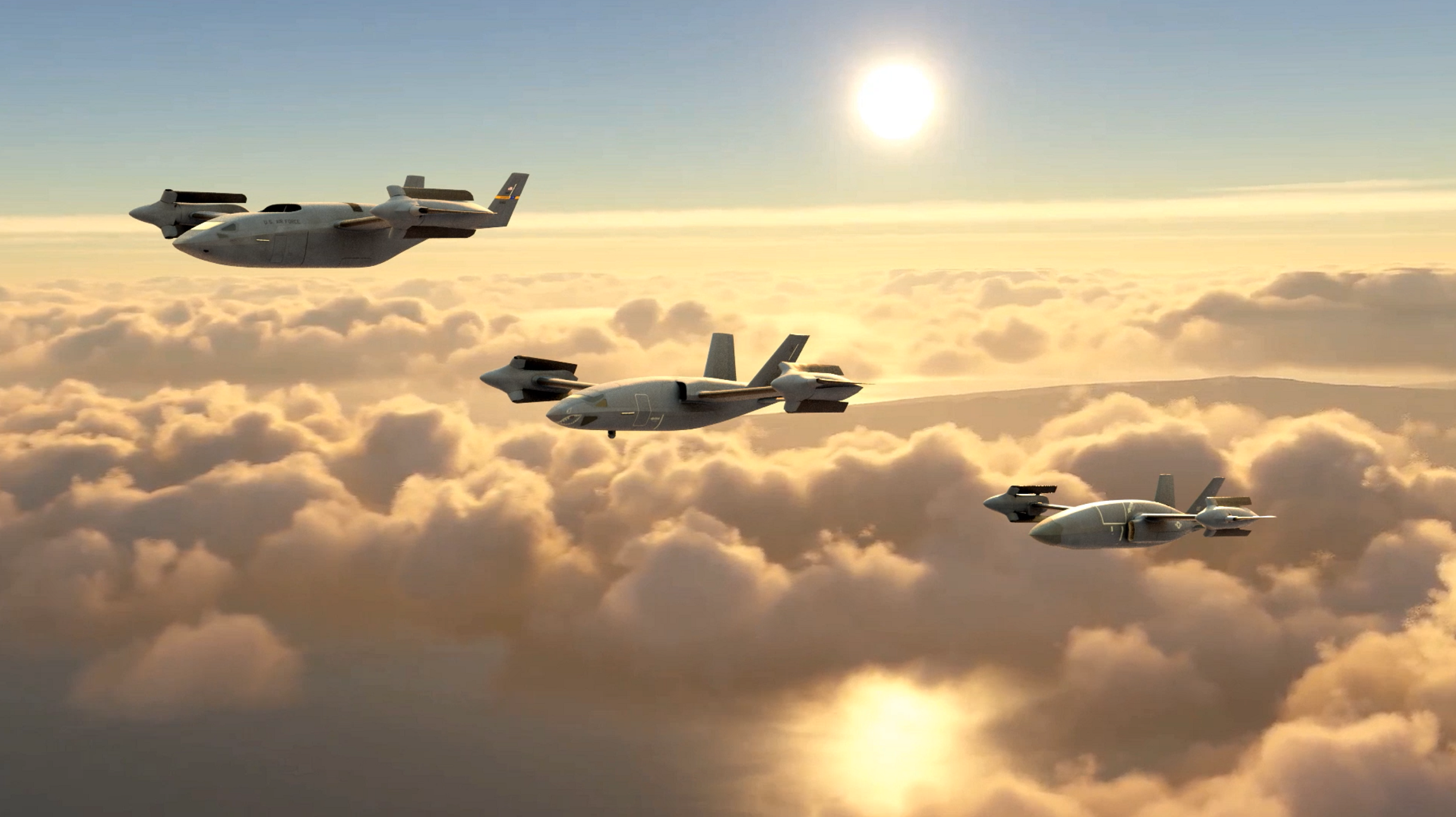
Bell’s HSVTOL capability is critical to future mission needs offering a range of aircraft systems with enhanced runway independence, aircraft survivability, mission flexibility and enhanced performance over legacy platforms. With the convergence of tiltrotor aircraft capabilities, digital flight control advancements and emerging propulsion technologies, Bell is primed to evolve HSVTOL technology for modern military missions to serve the next generation of warfighters.
Bell has explored high-speed vertical lift aircraft technology for more than 85 years, pioneering innovative VTOL configurations like the X-14, X-22, XV-3 and XV-15 for NASA, the U.S Army and U.S. Air Force. The lessons learned from the XV-3 and XV-15 supported the development of the Bell-Boeing V-22 Osprey tiltrotor, an invaluable platform that changed the way the U.S. military conducts amphibious assault, long range infiltration and exfiltration and resupply with a cruise speed and range twice that of helicopters it replaced.