

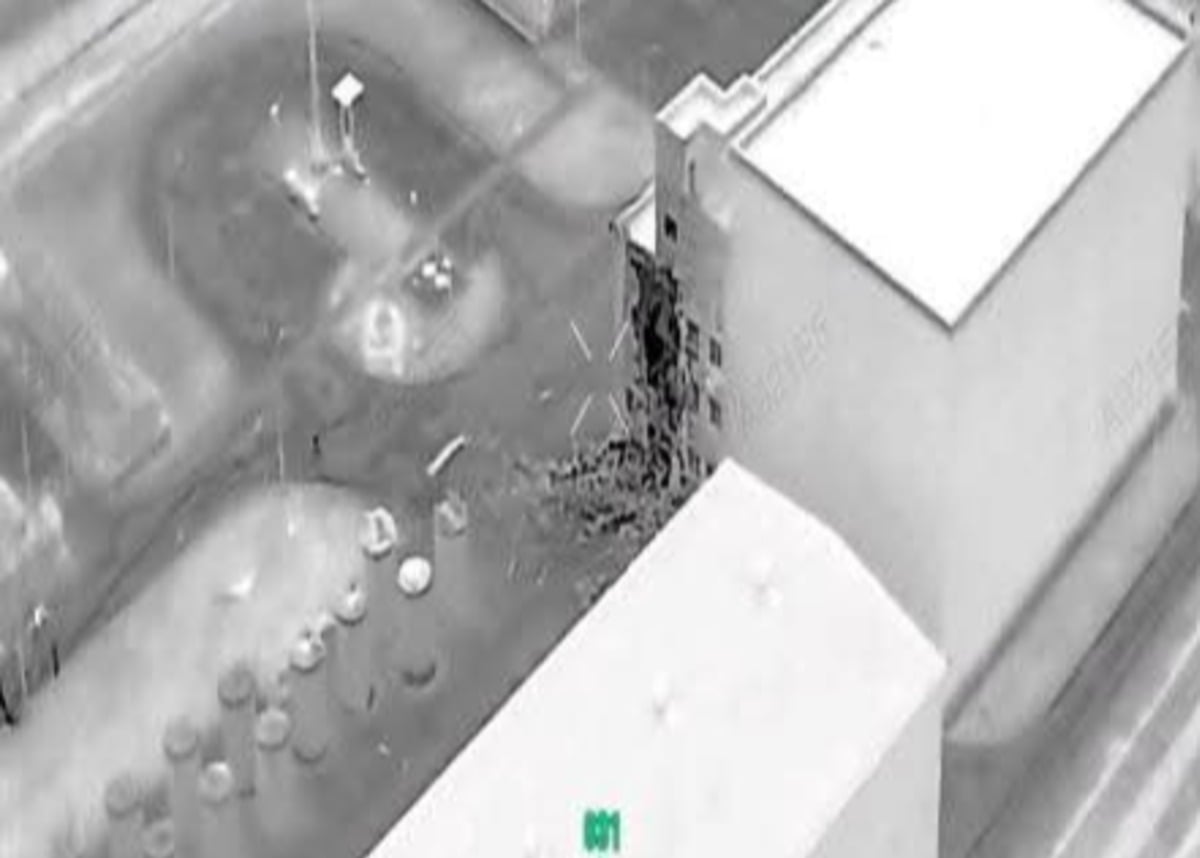
- A Russian Shahed drone struck the TsSVYAP nuclear storage facility near Buryakivka, Kyiv Oblast, at 2:10 a.m. on June 7, 2026, approximately 15 km from Chornobyl Nuclear Power Plant.
- Ukraine's General Staff confirmed the strike; Shahed wreckage was found on site, a fire of 40 square meters was extinguished within an hour, and radiation levels remained normal.
A Russian Shahed attack drone struck a building at Ukraine’s centralized spent nuclear fuel storage facility before dawn on Sunday, June 7, 2026, approximately 15 kilometers (9.3 miles) from the Chornobyl Nuclear Power Plant, in what Ukrainian officials described as the latest act in a systematic campaign of nuclear terrorism.
The strike hit the container reception building at the Centralized Spent Nuclear Fuel Storage Facility, known by its Ukrainian acronym TsSVYAP, near the settlement of Buryakivka in Kyiv Oblast at 2:10 a.m. local time. The building is designed for the long-term safe storage of spent nuclear fuel from VVER-type reactors at Ukrainian nuclear power plants.
Energoatom, Ukraine’s state nuclear operator, stated that no spent nuclear fuel was stored in the damaged building at the time of impact. A fire covering approximately 40 square meters (430 square feet) broke out and was extinguished within an hour by fire and rescue teams and a mobile operational group. No personnel casualties were reported. Rescuers on scene found the remains of a Shahed-type drone in the aftermath of the fire. Radiation levels at the site remained within normal limits, with monitoring continuing. Ukraine’s General Staff of the Armed Forces confirmed the incident and attributed it to Russia.
The identification of Shahed drone wreckage at the scene is significant for attribution purposes. The Shahed-136, an Iranian-designed one-way attack drone that Russia has been manufacturing under license and deploying in large numbers since late 2022, has become one of the most recognizable weapons in Russia’s campaign against Ukrainian infrastructure. With a distinctive delta-wing design, a piston engine that produces a characteristic sound, and a warhead typically in the range of 40 to 50 kilograms (88 to 110 pounds), the Shahed has been used to strike power stations, heating infrastructure, water treatment facilities, and civilian residential areas across Ukraine in mass overnight attacks involving dozens or hundreds of drones simultaneously. Physical wreckage of the type identified at TsSVYAP has been documented and confirmed at dozens of Ukrainian strike sites, making it one of the most forensically traceable weapons in the conflict.
The TsSVYAP facility stores spent nuclear fuel from Ukraine’s fleet of VVER reactors, the Soviet-designed pressurized water reactors that power the country’s four operating nuclear power plants at Rivne, Khmelnytskyi, South Ukraine, and the currently occupied Zaporizhzhia. Spent nuclear fuel removed from operating reactors remains intensely radioactive for decades and must be stored in shielded containers that prevent radiation release and maintain passive cooling. The facility uses dry cask storage technology, developed with American company Holtec International, in which fuel assemblies are sealed inside large steel-and-concrete containers requiring no active cooling systems. The container reception building, where incoming fuel casks are processed before placement in permanent storage positions, is a functional support structure rather than a primary containment structure, which is consistent with radiation levels remaining normal following the strike. The physical robustness of dry cask storage means the containers themselves are highly resistant to impact, but a strike that damages reception and handling infrastructure can disrupt the facility’s ability to accept new fuel shipments and process transfers.
Ukraine’s General Staff statement placed it within what both Energoatom and military officials described as Russia’s systematic policy of creating risks for Ukrainian nuclear infrastructure and for Europe as a whole. During the full-scale invasion, Russian forces have repeatedly routed cruise missiles and attack drones directly over Ukrainian nuclear facilities, a pattern Ukrainian officials say deliberately creates the risk of radiological accidents from proximity effects even when the weapons are not targeting the facilities themselves. The most dramatic confirmed precedent came on February 14, 2025, when a Russian Geran-2 drone, another Shahed derivative, struck the New Safe Confinement structure at the Chornobyl Nuclear Power Plant, the $2.2 billion steel arch completed in 2019 with funding from 45 countries to contain the radioactive remains of reactor four destroyed in the 1986 disaster. The IAEA confirmed the strike and subsequently determined the structure had lost its primary safety functions, including confinement capability. French Foreign Minister Jean-Noël Barrot estimated repair costs at approximately $550 million. As of April 2026, comprehensive restoration remained incomplete, with the IAEA warning that further degradation posed long-term nuclear safety risks.
The largest and most persistent nuclear threat in the conflict remains the Zaporizhzhia Nuclear Power Plant, Europe’s largest nuclear facility, which Russian forces have occupied since March 2022. Ukraine’s General Staff reiterated in its June 7 statement that Russian occupation forces continue to use the plant’s territory and infrastructure as a military base, stationing personnel, weapons, military equipment, and ammunition there. The IAEA has maintained a continuous presence at Zaporizhzhia since September 2022, repeatedly documenting conditions that fall outside accepted nuclear safety norms while stopping short of formally attributing responsibility for specific incidents to either party. IAEA Director General Rafael Grossi has visited the region multiple times and has called consistently for the protection of nuclear facilities under international humanitarian law, describing attacks near nuclear plants as “playing with fire.”
Ukraine’s General Staff statement assigned full responsibility for all nuclear and radiological safety threats created by the conflict to Russia and called on the international community to increase pressure on what it described as the aggressor state to prevent a nuclear catastrophe in the center of Europe.