

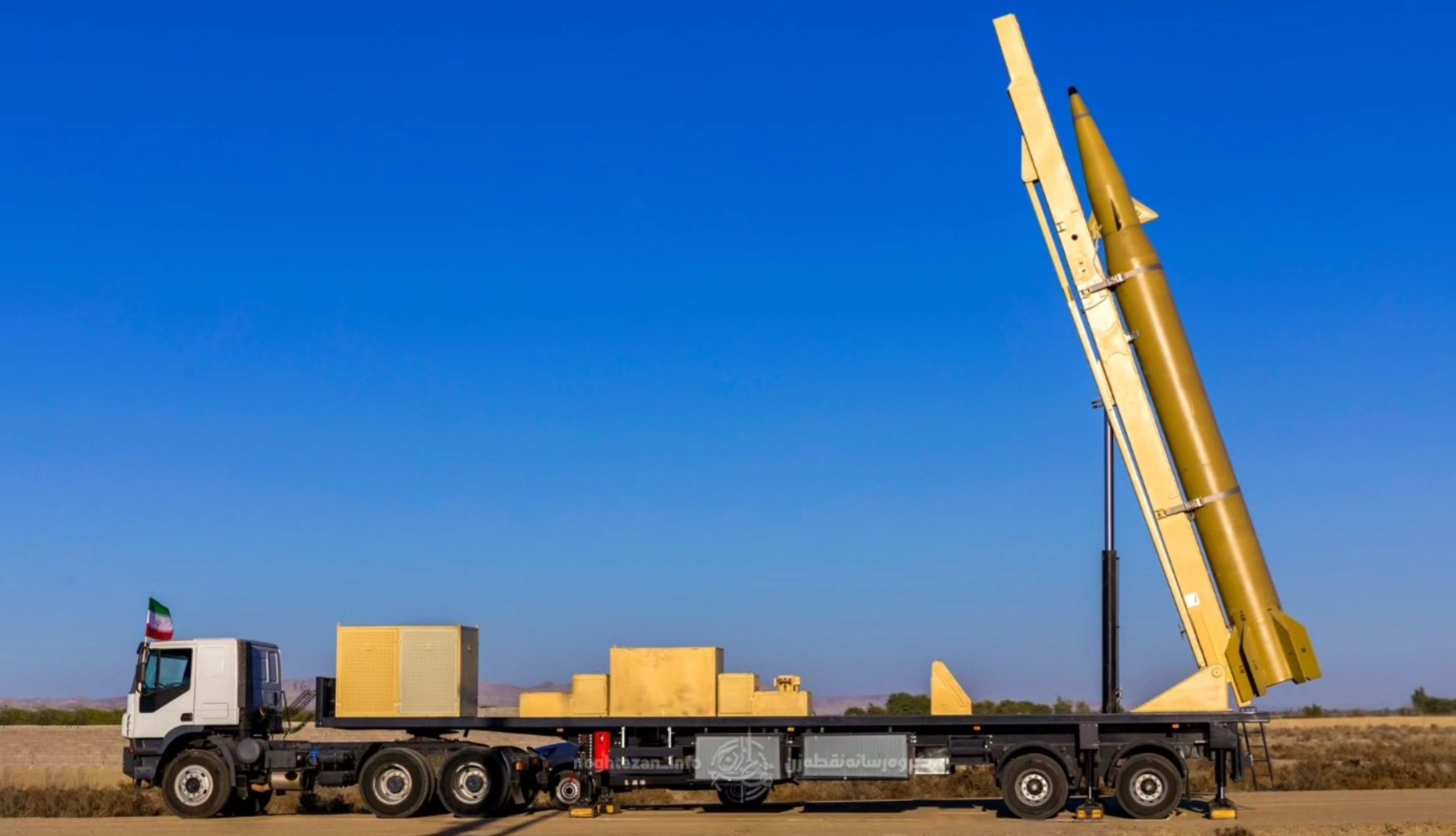
- Israel Defense Forces detected Iranian ballistic missile launches toward Israel following United States and Israeli strikes on Iranian military targets
- Iranian officials warned of a crushing retaliation as Israel reinforced forces and raised nationwide alert levels amid escalating military exchanges
The Israel Defense Forces (IDF) said early Saturday it detected the launch of Iranian ballistic missiles toward Israel, signaling the first wave of retaliation following coordinated United States and Israeli strikes on Iranian targets. Military officials confirmed missile launches were identified by Israeli early warning systems as air defenses were placed on heightened alert nationwide.
The missile launches come as Tehran moves to respond militarily after joint strikes carried out earlier the same day against Iranian military and regime-related targets. Israeli defense authorities indicated the immediate concern was protecting the country’s home front from missile and unmanned aerial threats linked to Iranian retaliation.
According to Reuters, Iranian officials said Tehran was preparing a response to the attacks and warned of further action. “Tehran is preparing for retaliation; the response will be crushing,” the officials said, according to Reuters.
Israeli defense establishment sources assessed that the likelihood of an Iranian response within hours had increased, including additional missile launches. The IDF confirmed it had detected missiles heading toward Israeli territory but did not immediately disclose interception results or impact locations.
The developments follow a broader Israeli and United States military campaign targeting Iranian military infrastructure earlier Saturday. Sources cited by the Israeli outlet Walla said one objective of the strikes was to remove threats to Israel’s civilian population, particularly missile launchers and bases used to operate unmanned aerial vehicles (UAVs).
According to the same report, Israeli strikes expanded to multiple Iranian locations, including Qom, Isfahan, Kermanshah, and Karaj. Iranian authorities have not publicly released detailed damage assessments from those areas.
As missile warnings intensified, the IDF moved to reinforce operational readiness across the country. Military officials said forces were surged to bases and command headquarters, while Central Command received reinforcements consisting of five companies. Alert levels were also raised along Israel’s borders amid concerns about coordinated attacks or infiltration attempts linked to the escalation.
Israel’s missile detection announcement reflects the activation of layered early warning and air defense systems designed to counter ballistic threats. These systems integrate radar tracking, command-and-control networks, and interceptor missiles intended to engage incoming projectiles before they reach populated areas.
Ballistic missiles differ from shorter-range rockets in that they travel along high-altitude trajectories and reenter the atmosphere at high speed, reducing response time for defenders. Israel’s defense posture relies on rapid detection and interception cycles to protect urban centers and military infrastructure during such attacks.
The reported missile launches align with longstanding Iranian military doctrine emphasizing retaliatory strikes following direct attacks on its territory. Iranian forces maintain a large inventory of ballistic missiles capable of reaching Israel from Iranian soil, forming a central component of Tehran’s deterrence strategy.
Israeli officials have previously identified missile launchers and UAV bases as priority targets during military operations because of their role in enabling sustained attacks against Israeli territory. According to defense sources cited by Walla, degrading those capabilities was intended to limit immediate risks to Israel’s home front.
The IDF’s decision to reinforce Central Command and elevate readiness along borders indicates concerns that retaliation may not be limited to missile strikes alone. Israeli planners have historically prepared for combined threats involving missiles, drones, and potential attacks by allied armed groups operating in neighboring regions.