


- Ukrainian troops used a Chinese-made FN-6 system to shoot down a Russian Kalibr cruise missile during a large attack.
- The 143rd Joint Training Center said the missile was intercepted at low altitude and released images of the launch and debris.
Ukrainian forces say they intercepted a Russian cruise missile during a large barrage this week, using a Chinese-made FN-6 man-portable air defense system.
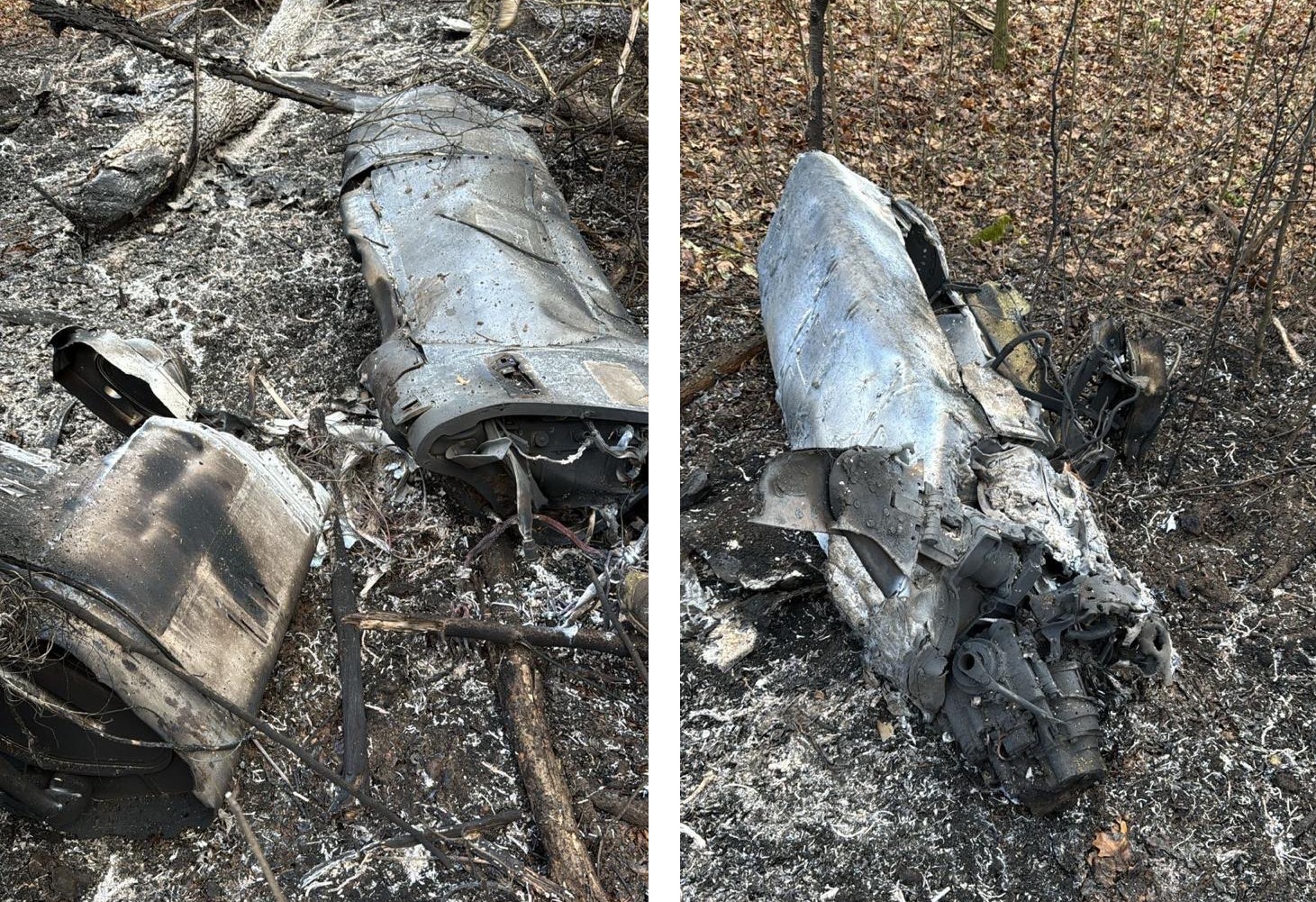
According to a statement from the 143rd Joint Training Center “Podillia,” the unit downed a Kalibr cruise missile on Wednesday as it approached a community in western Ukraine. The center said troops acted within seconds as the missile flew at low altitude.
“The MANPADS shooter had only seconds to react and engage the target. A precise launch — and the Kalibr was destroyed in the air,” the center said in the statement. The unit also released photos and video of the launch and the debris found after the intercept.
The strike took place during what Ukrainian officials described as a large Russian missile attack targeting multiple regions. Kalibr missiles, launched from Russian naval platforms, have been used throughout the war for long-range strikes on cities and critical infrastructure.
The FN-6, also known as HongYing 6 or FeiNu-6, is a Chinese infrared-guided shoulder-fired air defense system. It was developed by the Shanghai Academy of Spaceflight Technology (SAST) and first shown publicly in 2000. As noted by Chinese defense industry materials, the system is promoted internationally by China National Precision Machinery Import & Export Corporation (CNPMIEC). Its NATO reporting name is CH-SA-10.
According to open-source descriptions, the FN-6 is designed to defend ground units from aircraft, helicopters, and cruise missiles flying at low and very low altitudes. The system can fire at both approaching and departing targets. The missile is in service with the People’s Liberation Army of China and has been exported to several countries, including Sudan, Pakistan, Syria, Malaysia, Cambodia, and Bangladesh.
Media outlets covering global arms transfers have reported that FN-6 systems have also appeared on the black market. They were documented in the hands of insurgents in Syria and Yemen, and analysts believe at least some systems may have originated from Iranian shipments intercepted on their way to Yemen. Those seized weapons were later transferred to Ukraine as part of Western military aid.